
A more supported way to plan dental care
Sleep dentistry in Melbourne, with care planned around you
If worry, a strong gag reflex or a longer treatment visit has made dental care difficult to arrange, you are welcome to start with a conversation. We will listen, explain the options and discuss whether dental sedation may be suitable for your health and treatment needs.
At Enhance Dental, the familiar phrase sleep dentistry refers to dental treatment planned with sedation. Sedation can help some people feel calmer; it is not the same as general anaesthesia and does not mean every person will be fully asleep or remember nothing.
Level 2, Suite 219, 566 St Kilda Road, Melbourne
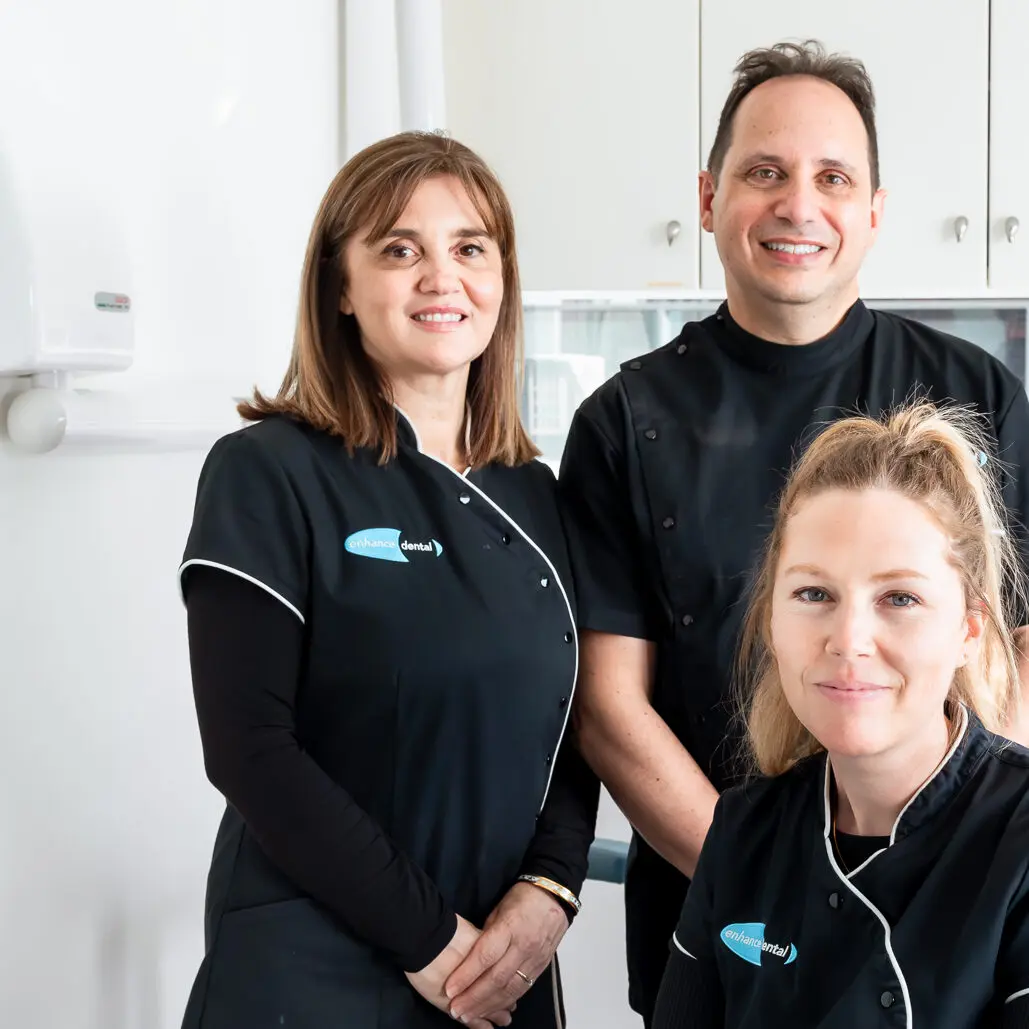
Clear information, one step at a time
Dental sedation in Melbourne: what does it involve?
Dental sedation can help you feel calmer and more comfortable during treatment. With intravenous (IV) sedation, relaxing medication is carefully given through a small plastic tube, called a cannula, placed in a vein in your hand or arm. The sedation practitioner adjusts the medication to your needs throughout your appointment.
Often called twilight sedation or sleep dentistry, IV conscious sedation makes you feel deeply relaxed and drowsy. You may doze lightly, while remaining able to respond when your practitioner speaks to you. Many people remember little of their visit, although experiences and recall vary. General anaesthesia involves a different level of care, with complete unconsciousness.
Local anaesthetic is also used when needed to gently numb the area being treated. Sedation helps with relaxation, while local anaesthetic provides pain control.
There is no pressure to decide at the first conversation. We can talk through your concerns, past experiences, treatment options and the steps involved before you choose what feels right for you.

Dedicated care, in familiar surroundings
Your sedation team at Enhance Dental
We work with Dental Sedation Victoria, the visiting sedation service led by Dr Barry Creighton. Your IV sedation is provided by a dental sedation practitioner with additional postgraduate training in conscious sedation, supported by a registered nurse, while your Enhance Dental dentist carries out your dental treatment.
Your appointment takes place here at Enhance Dental. The visiting team brings the additional monitoring and emergency equipment needed for its mobile sedation service and looks after your sedation and recovery. Before treatment, your health and suitability are assessed, and you have time to ask questions about the proposed care.
After your appointment
You may feel sleepy afterwards, and some people experience nausea or bruising where the cannula was placed. Your practitioner will explain the relevant risks and give you personalised preparation and recovery instructions. Arrange for a responsible adult to take you home and support you afterwards, and follow the team’s advice about rest, driving and other activities.
A plan that starts with listening
Comfort can be supported in different ways
Sedation is one possible part of a comfort plan, and it is not needed by everyone. Depending on your needs and the treatment, we can discuss simple practical steps, shorter or staged visits, and whether sedation or another setting is appropriate.
Talk through what feels difficult
Tell us what would help, what you would like us to avoid and whether anything has made dental appointments hard in the past. Agreeing on a pause signal and explaining each step can make the visit feel more predictable.
Comfort measures during treatment
We can discuss options such as numbing cream, local anaesthetic, music or headphones, a bite support, extra cushions and planned breaks. The choices depend on the procedure and your preferences.
Sedation, if it is suitable
IV sedation can be arranged at Enhance Dental with our visiting Dental Sedation Victoria team. We can also discuss whether oral sedation may be appropriate. Your health, medicines and treatment needs guide the recommendation.
For more ideas for a dental visit that feels easier, see our guide for nervous dental patients.
A welcoming first step
We can begin with a conversation
You do not have to explain everything perfectly. Let our team know that you feel nervous or would like to ask about sedation, and we can arrange a discussion about your goals, health history and treatment choices.
That conversation helps us understand what matters to you and gives you time to ask questions. It also lets the clinician decide whether care in the dental chair is appropriate or whether another provider or setting should be considered.
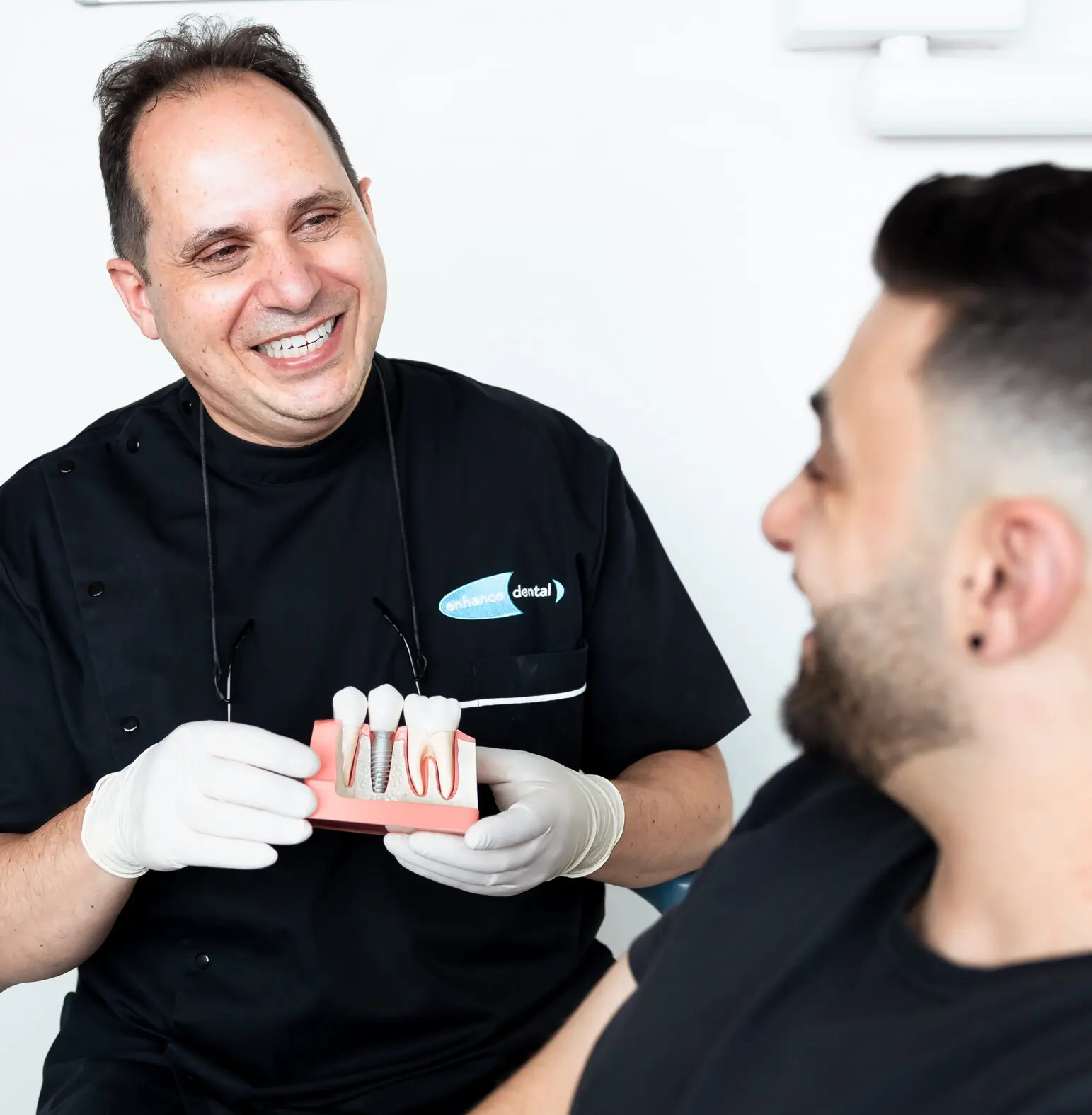
Know what comes next
How the assessment and appointment are planned
The clinician will explain the recommendation, the process and any instructions that apply to your particular appointment. Your plan is individual; these are the usual stages of planning, not a substitute for the advice you receive directly.
First, we listen
We talk about your concerns, treatment aims, previous experiences and preferred ways to communicate or pause.
Health and treatment review
We discuss your medical history, medicines, allergies, relevant health conditions and the dental care being considered.
Options and instructions
If sedation may suit you, the appropriate practitioner explains the plan, risks, preparation and fees before you decide.
Recovery and getting home
For sedation, you will receive individual recovery advice. An adult escort is generally required, and you must not drive yourself home.
Safe care begins before the appointment
What to tell us and how to prepare
Share your health information
Let us know about all medicines and supplements, allergies, pregnancy, previous sedation or anaesthetic reactions, and conditions affecting your heart, lungs or breathing. Please mention snoring or diagnosed sleep apnoea so the clinician can plan with that information.
Follow your own instructions
Preparation can differ by technique and health needs. Follow the written instructions from your treating team about food, drink and medicines. Do not stop prescribed medicine or fast based on general online advice.
Arrange support after sedation
After IV sedation, arrange for a responsible adult to take you home and stay with you for 24 hours. For at least 24 hours, avoid driving, cycling, machinery, alcohol, important decisions and caring for dependants alone. Follow your sedation team’s written instructions, including any longer restrictions.
Sedation has potential risks and is not suitable for every person or every procedure. Your clinician will discuss the expected benefits, alternatives and relevant risks with you. If a different arrangement is safer or better suited, we will explain that and talk through the next step.
If you are asking about treatment for snoring or obstructive sleep apnoea, that is a separate service from dental sedation. Read about our snoring and sleep apnoea care.
Helpful answers before you book
Sleep dentistry and dental sedation FAQs
Is sleep dentistry the same as general anaesthesia?
No. “Sleep dentistry” is a familiar phrase for dental treatment with sedation, but sedation and general anaesthesia are different. With conscious sedation, patients can respond to voice or light touch; general anaesthesia involves controlled unconsciousness and is delivered under a separate care pathway. Your clinician will explain the technique being considered for you.
Will I be completely asleep or remember the appointment?
Not necessarily. People can respond differently, and sedation does not guarantee unconsciousness or amnesia. Your practitioner will explain what to expect from the proposed method and what monitoring is used.
Can IV sedation help with a strong gag reflex or severe dental anxiety?
IV sedation may help some people who find dental care difficult because of a strong gag reflex, significant anxiety or dental phobia. It can make treatment easier to tolerate, but the response varies and it does not guarantee that gagging or anxiety will disappear. We will listen to your concerns, discuss practical comfort measures and assess whether sedation suits your health and treatment needs. Our guide for nervous dental patients explains other ways we can support you.
Which sedation options can I ask about at Enhance Dental?
We arrange IV conscious sedation at Enhance Dental through a visiting practitioner from Dental Sedation Victoria, supported by a registered nurse and additional monitoring equipment. We can also discuss oral sedation where appropriate. Your assessment helps determine the most suitable option. Only take sedative medication as specifically directed by your treating practitioner.
Will I feel pain during dental treatment with IV sedation?
Local anaesthetic is used alongside IV sedation to numb the treatment area, while sedation helps you feel calm and drowsy. Your dentist checks that the area is numb before starting. You may still notice pressure or movement, and you can let the team know if you feel uncomfortable so your care can be adjusted. Soreness afterwards depends on the dental procedure, and we will explain your aftercare.
What should I tell the dentist before sedation?
Share your full medical history, medicines and supplements, allergies, pregnancy status, and any previous problems with sedation or anaesthesia. Mention breathing conditions, snoring or sleep apnoea too, so the practitioner can assess the safest plan.
Do I need to fast before dental sedation?
Preparation instructions vary with the technique and your health. Your treating team will tell you whether food or drink restrictions apply and when. Follow those instructions exactly and ask us if anything is unclear.
How long does IV sedation take to wear off, and when can I return to normal activities?
Recovery varies with the medicines used, your health and the length of treatment. You will be monitored until the sedation team considers you ready to leave; feeling alert does not mean your judgement and coordination have fully recovered. Arrange for a responsible adult to take you home and stay with you for 24 hours. For at least 24 hours, do not drive, cycle, operate machinery, drink alcohol, make important decisions or care for dependants on your own. Follow any longer restrictions and the personalised discharge instructions from your sedation team.
Can several procedures be completed in one appointment?
Sometimes a clinician may plan more than one procedure in a longer visit, depending on your health, the treatment, appointment length and sedation assessment. We will explain what is practical for you; there is no fixed package or guarantee that multiple procedures will be appropriate.
How much does sleep dentistry cost?
The fee depends on the sedation plan, practitioner, appointment length and dental treatment. We can discuss expected fees and provide relevant item numbers or an estimate before you decide, so you can check your private health cover directly with your fund.
Is sleep dentistry for sleep apnoea?
No. This page is about sedation during dental treatment. Assessment or treatment for snoring and obstructive sleep apnoea is a separate service; see our snoring and sleep apnoea page or speak with your GP or sleep physician.
What if I would prefer to try a non-sedation approach?
That is completely fine. We can discuss practical comfort measures, shorter visits, breaks, clear explanations and other options. A first conversation does not commit you to sedation or dental treatment.
What is the difference between oral sedation and IV conscious sedation?
Oral sedation uses a prescribed tablet to help reduce anxiety. IV conscious sedation delivers medicine through a small cannula in a vein, allowing the sedation practitioner to adjust its effect during treatment. Both can cause drowsiness and affect memory, judgement and coordination. With IV conscious sedation you may doze lightly but remain able to respond to verbal prompts; the depth of relaxation and what you remember vary. We can discuss which option may suit you. Only take sedatives as directed, and follow the preparation, escort and recovery instructions for either method.
Can I claim dental sedation through Medicare or private health insurance?
Medicare generally does not cover routine private dental treatment. Any rebate for sedation depends on the provider, the service and the applicable item numbers, so please check with the visiting sedation service before assuming a Medicare benefit applies. Some private health extras policies may contribute, subject to your policy, limits and waiting periods. Dental treatment and visiting sedation fees are separate. Ask us and the sedation team for written estimates and relevant item numbers, then confirm any benefits directly with your fund. You can also explore our payment options.
Do I need a GP referral to book a sleep dentistry consultation at Enhance Dental?
No GP referral is needed to contact Enhance Dental for an initial discussion about sleep dentistry. You can speak with our team directly about your concerns and the treatment you are considering. Before sedation is arranged, the dental and visiting sedation teams will review your medical history, medicines and suitability. They may request information from your GP or specialist if needed to plan your care. Contact us to arrange a conversation.
Further reading
Trusted information and research
- Dental Sedation Victoria: Our visiting sedation service, information about the team and care provided at participating dental practices.
- Australian Dental Association: Conscious sedation in dentistry — describes sedation as a spectrum and outlines Australian professional expectations.
- Better Health Channel Victoria: Dental anxiety and phobia — practical information on dental anxiety and ways to seek support.
- Hoffmann et al., Australian Dental Journal (2022): Management strategies for adult patients with dental anxiety — a systematic review of psychological and pharmacological approaches.
- Enhance Dental: Support for nervous patients — information about discussing anxiety and appointment preferences with our team.
- NSW Health: Recovery after procedural sedation, general guidance on adult support and activity restrictions after sedation.
- Healthdirect: Cost of dental care, an overview of dental fees and possible financial support.
These sources provide general information. They do not replace an assessment or advice from your treating dental or medical practitioner.
A conversation is a good place to begin
Let’s talk about a calmer way to receive dental care
Tell us what has made appointments challenging and what would help you feel more comfortable. We will explain the available options, answer your questions and help you decide on a suitable next step.
Level 2, Suite 219, 566 St Kilda Road, Melbourne VIC 3004