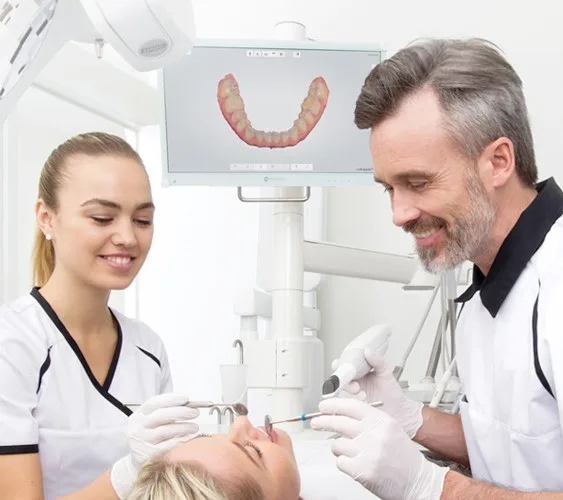
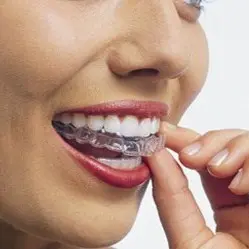
A digital simulation can help explain possible smile changes before treatment decisions are made.
Enhance Dental · Melbourne
Advanced technology, with a personal touch
At Enhance Dental, advanced technology is carefully selected to support clear diagnosis, considered treatment planning and a more comfortable visit. Our team combines modern tools with conversation, experience and care tailored to you.
We keep learning through professional courses, seminars and conferences, and review new methods for their relevance to patient care. Advanced technology can help us see, plan and explain; your examination, preferences and individual needs remain central to every decision.
See how we bring technology and personal care together
Meet Dr Joseph Paino and hear how the technology we use fits into everyday dentistry at Enhance Dental. The video offers a look at our approach, the tools we use and the people behind your care.
Have a question after watching? We are happy to explain what may be useful for your own visit.
Advanced technology is most useful when it answers a clinical question or makes a step clearer for you. We choose the examination, image or digital tool to suit the situation, explain what it shows and discuss options together.
TRIOS intraoral scanning at Enhance Dental
3D digital dental scanner and 3D printing
This advanced technology includes the TRIOS scanner, which records a colour, three-dimensional view of your teeth and bite. It can often replace conventional impression material for digital planning, aligners and selected restorations such as veneers, crowns and bridges. Where a traditional impression is more suitable, we will explain why.
A digital model can be reviewed together and sent for laboratory or appliance fabrication. This may make the process more visual and can help if impression material has made you gag. Scanning does not remove the need for careful clinical checks.
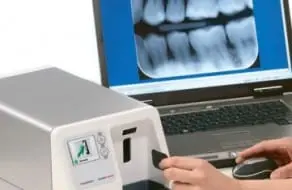
Advanced technology includes digital radiographs that can help examine areas not fully visible during a visual check, including between teeth, around roots and the bone supporting teeth. We review suitable previous images and recommend new images only when they are likely to add useful information.
Every X-ray uses ionising radiation, so we select the type and number of images to suit your needs. Dental exposure is low and controlled; the dose varies by image type and equipment. We do not rely on a blanket percentage comparison. Read the ARPANSA guide to dental imaging.
A close-up can make an explanation easier
Intraoral camera
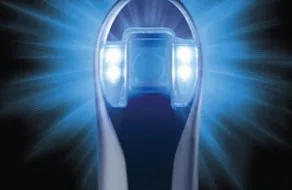
This advanced technology includes a small camera that lets us display close-up images of your teeth and gums on screen. Together we can look at a worn filling, a crack or a change near the gumline. Images can support patient education and, where useful, document changes over time.
The camera is an aid to communication and examination. It does not replace a full dental assessment or other tests that may be recommended.
Additional information for selected tooth surfaces
DIAGNOdent laser caries-detection aid
Decay can sometimes be difficult to assess in deep grooves. DIAGNOdent measures a light signal from a tooth surface and can provide an additional clue when we examine selected areas. We interpret the reading with the visual examination, your history and any indicated radiographs.
A reading alone does not confirm decay or mean a filling is automatically required. If an area needs attention, we explain the finding and discuss options, including monitoring where suitable.
Comfort measures can be tailored to you
CALAJECT computer-controlled anaesthetic delivery
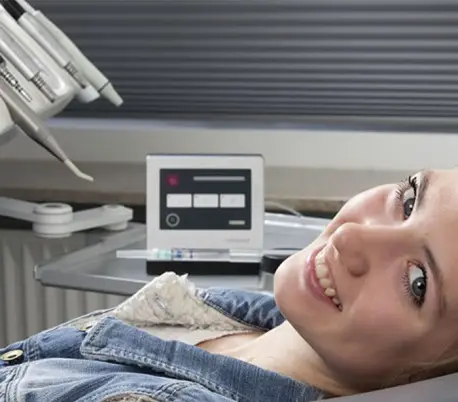
For treatment that needs local anaesthetic, CALAJECT controls the flow and pace of delivery. We can also discuss numbing gel, careful communication and pauses. The aim is to make anaesthetic administration more manageable; people experience sensations differently, and we check in throughout.
Tell us what has helped before or if you feel anxious. We can make a plan together before treatment starts.
In-chair whitening is planned after an assessment
Philips Zoom in-chair whitening
Philips Zoom WhiteSpeed is one option for professional in-chair whitening. The appointment commonly takes around an hour, although the visit and result vary. We first assess your teeth and gums, discuss expected changes and check whether whitening is suitable.
Planning and reviewing possible restorative options
Digital planning for a smile makeover
For selected cosmetic cases, photographs and digital scans can help discuss shape, proportion and restorative options before treatment. Planning may include a visual preview or laboratory mock-up. A simulation supports discussion; it is not a guarantee of the final result.
Advanced technology supports implant assessment: examination and appropriate imaging help evaluate teeth, bone and surrounding anatomy. Digital scans and planning software support communication with the laboratory and surgical team. Guided placement such as MGUIDE may be considered for suitable cases; it is not needed for everyone.
Three-dimensional CBCT imaging is arranged when clinically indicated. Suitability, risks and alternatives are discussed after assessment. Explore Dental Implants.
Digital measurement is one part of endodontic assessment
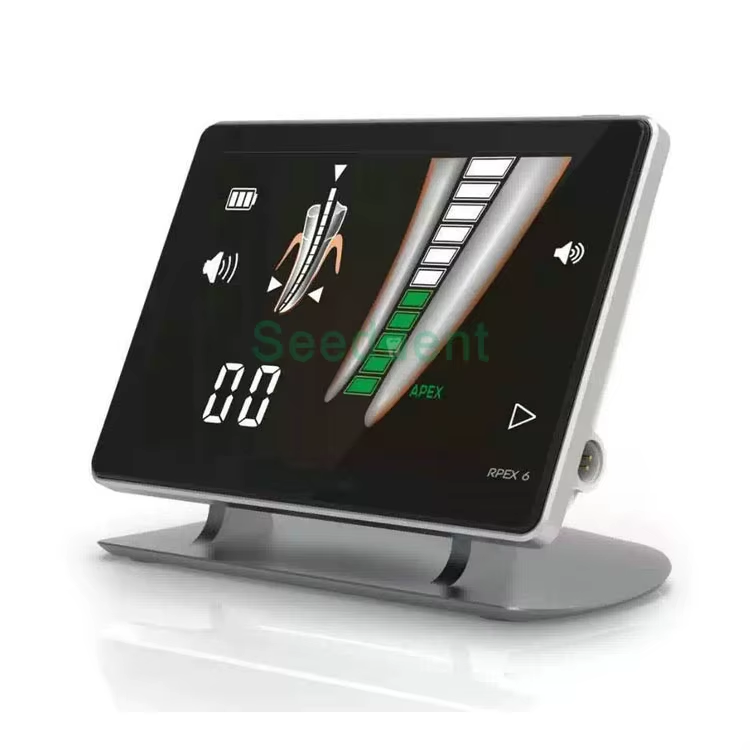
Digital apex locator for root canal treatment
Advanced technology in root canal care includes an electronic apex locator, which helps estimate the working length inside a root canal. Used with clinical judgement and appropriate radiographs, it can guide treatment and may reduce repeat length-check images in some cases. It does not replace radiographs when they are required.
For suitable teeth, warm gutta-percha systems such as Thermafil or Softcore may fill the prepared canal space. Your dentist will explain the approach and whether referral to an endodontist is advisable. Learn about root canal treatment.
Digital scans help plan clear aligner treatment
Digital planning for Invisalign
Invisalign uses digital records and computer-assisted planning to map aligners for suitable patients. The plan is reviewed with you and progress is monitored at appointments. Tooth movement and treatment time vary; we discuss what may be realistic in your case.
Dr Joseph Paino has worked with Invisalign since it was introduced in Australia in 2002. Find out more about Invisalign at Enhance Dental.
A visual guide to discuss possible changes, not a guaranteed outcome
Before and after digital simulation
Smile-imaging software can create a visual preview from a photograph or scan. It may help discuss possible changes from Invisalign, whitening or selected cosmetic treatments before deciding. We explain what an image can and cannot show; outcomes depend on your teeth, treatment choices and clinical factors.
Proposed treatment follows an examination and discussion of benefits, limitations, costs and alternatives.
Three-dimensional views of teeth, jawbone and nearby structures
3D dental imaging, just minutes away
When an examination and standard dental X-rays do not answer a specific clinical question, we may refer you to Pinnacle Medical Imaging on St Kilda Road for cone beam CT (CBCT). This scan creates detailed 3D views of teeth, jawbone and surrounding structures.
Depending on your circumstances, CBCT may assist with selected implant planning, complex extraction assessment near nerves or sinuses, some root canal assessments, or investigation of suspected pathology such as a cyst or retained root. It is not required for every implant, extraction or toothache.
CBCT uses X-rays, so we recommend it only when a 3D view is expected to add useful information. The scan must be reviewed by an appropriately trained practitioner. We discuss relevant findings with you alongside your examination and other records.
Pinnacle Medical Imaging’s video introduces its dental imaging service. If a CBCT referral is appropriate, our team will explain why it may help, arrange the referral and discuss the result with you.
Digital equipment is one part of a thoughtful dental visit. We also offer practical comfort options and take time to explain what is happening so you can feel informed and in control.
Personalised comfort choices
Depending on your appointment, we can discuss topical numbing cream, local anaesthetic, CALAJECT, extra cushions, lip balm, a bite support block, music or headphones, and a screen for Netflix. You can ask for a pause at any time.
Clear explanations, at your pace
We can use camera images, scans or radiographs when relevant to show what we can see. We explain options in plain language and give you time to ask questions before deciding on care.
Tools chosen for your needs
Not every technology is needed at every appointment. Your dentist selects tools based on the clinical question, your health and treatment considered, and explains why a scan or device may be useful.
Snoring and sleep apnoea care
Digital scans and custom appliances for suitable patients
Snoring can occur on its own, but persistent loud snoring, observed breathing pauses, waking with gasping or choking, or daytime sleepiness can also be signs of obstructive sleep apnoea (OSA). Symptoms alone cannot diagnose OSA. Speak with your GP or sleep physician if concerned; if sleepy while driving, stop driving and seek medical advice.
Advanced technology also supports sleep care. For suitable patients, the Enhance Dental sleep service can arrange a WatchPAT 400 home sleep test with sleep-physician review and reporting. A medical practitioner makes the diagnosis and guides sleep-disordered breathing treatment. After assessment, a dentist can evaluate whether a custom mandibular advancement splint (MAS) may suit your dental health and circumstances.
A MAS may help maintain airway space for selected patients; individual response varies.Custom-made appliances are assessed, fitted and monitored.Home testing may be arranged when appropriate, with sleep-physician review.
Care is coordinated: an oral appliance may suit primary snoring after OSA is excluded, or selected people with OSA. CPAP usually controls breathing events more effectively, particularly in severe OSA. Do not stop or change prescribed treatment unless your clinician advises you to. Regular dental and medical follow-up matters.
Frequently asked questions about dental technology
Every recommendation is based on an individual assessment. If you are unsure whether a scan or treatment is right for you, we are happy to talk it through.
Will I need dental X-rays at every check-up?
No. We recommend radiographs when clinically useful, taking account of your dental history, symptoms and previous images. The type and number are selected for the information needed.
Are digital dental X-rays safe?
Dental X-rays use ionising radiation, so we take them when the expected diagnostic benefit justifies exposure and follow radiation-safety requirements. ARPANSA describes dental imaging exposures as low and controlled; dose depends on image type and equipment. Ask us about a recommended image.
Does a digital scanner mean I will never need a traditional impression?
Not always. A digital scan can replace impression material for many procedures, but the right method depends on treatment, anatomy and the clinical situation. We explain which approach is suitable and why.
Can an intraoral camera diagnose a problem by itself?
The camera creates close-up images that help us explain what we see. It is an aid to examination and communication, not a stand-alone diagnosis. We combine it with your history and other appropriate checks.
Does DIAGNOdent confirm that I need a filling?
No. A DIAGNOdent reading alone does not confirm decay or determine treatment. Your dentist interprets it with the examination and other relevant findings before recommending care.
Does a digital smile preview guarantee my result?
No. A simulation is an illustration for discussing possible changes. It cannot predict every biological or treatment factor or guarantee a final result. We discuss realistic options after examining your teeth and understanding your goals.
Can technology make dental treatment completely painless?
No device can promise that for everyone. We can discuss numbing gel, local anaesthetic, CALAJECT and other comfort measures, then check in during care. Tell us what worries you and what has helped before.
Can a dental appliance diagnose sleep apnoea?
No. Diagnosis and monitoring require medical-practitioner assessment. A dentist assesses dental suitability and manages an oral appliance when medically indicated, in coordination with the sleep physician. Follow-up sleep testing checks response.
Is a mandibular advancement splint suitable for everyone who snores?
No. Suitability depends on sleep assessment, teeth, gums, jaw and other health factors. Your GP or sleep physician guides the medical assessment, and a dental appointment can assess whether an appliance is appropriate.
Does advanced technology guarantee a better result?
Technology can support examination, planning, communication and comfort, but it cannot guarantee an outcome. Results depend on the individual condition, treatment and healing. We explain benefits, limitations, alternatives and follow-up.
Further information
For patient-friendly information and professional guidance on dental imaging, CBCT and oral appliances, see:
Whether booking a check-up, asking about a digital scan or exploring snoring and sleep apnoea care, our team can help with the right appointment and your questions.
To provide the best experiences, we use technologies like cookies to store and/or access device information. Consenting to these technologies will allow us to process data such as browsing behavior or unique IDs on this site. Not consenting or withdrawing consent, may adversely affect certain features and functions.
Functional
Always active
The technical storage or access is strictly necessary for the legitimate purpose of enabling the use of a specific service explicitly requested by the subscriber or user, or for the sole purpose of carrying out the transmission of a communication over an electronic communications network.
Preferences
The technical storage or access is necessary for the legitimate purpose of storing preferences that are not requested by the subscriber or user.
Statistics
The technical storage or access that is used exclusively for statistical purposes.The technical storage or access that is used exclusively for anonymous statistical purposes. Without a subpoena, voluntary compliance on the part of your Internet Service Provider, or additional records from a third party, information stored or retrieved for this purpose alone cannot usually be used to identify you.
Marketing
The technical storage or access is required to create user profiles to send advertising, or to track the user on a website or across several websites for similar marketing purposes.