
Dentures that feel like your smile
Missing some or all of your teeth? Explore individually designed full and partial dentures, discreet flexible options and care for existing dentures at Enhance Dental.
We take time to understand the appearance you want, how you eat and speak, and what matters to you about comfort and cost. Your consultation is the starting point for a practical, personalised plan.
Level 2, Suite 219, 566 St Kilda Road, Melbourne VIC 3004

Dentures in Melbourne, designed around you
If you have lost either all or some of your teeth and need replacement with full or partial dentures, Enhance Dental offers individually designed options with close attention to realistic appearance, measurements and fit.
Although there are several methods to replace missing teeth, individual dental implants or bridges may not be suitable in all circumstances or be your desired choice of treatment. A removable appliance can be a practical option in its own right, rather than simply a step towards another treatment.
We clearly advise you about your options, suitability, the pros and cons and the fees involved. Bring your existing denture if you have one, and tell us what you like about it and what you would change.
Meet our team and learn about Our Difference.
Full, partial and implant-retained dentures
Your remaining teeth, gums, bite and preferences guide the design. The aim is to choose an appliance you can manage day to day, with clear expectations about support, cleaning and future maintenance.
Full dentures
Complete dentures replace all missing teeth in the upper jaw, lower jaw or both. They can be personally styled with your choice of tooth colour, size, shape and position. We consider the appearance of your smile together with the bite and support for your lips.
Partial dentures
Partial dentures are supported by remaining teeth and gums and can replace a single tooth or several teeth. We plan the base, support and retaining components around your mouth, and aim to blend the replacement teeth with your remaining natural teeth.

Compare the main removable materials
| Option | Why consider it? | What needs checking? |
|---|---|---|
| Acrylic | A gum-coloured base for full or partial tooth replacement. Suitable designs may allow future tooth additions or relining. | Available space, support, strength, planned tooth changes and ongoing fit. |
| Cobalt chrome | A strong, thin metal framework for partial dentures, combined with replacement teeth and gum-coloured acrylic where needed. | Remaining tooth health, framework and clasp positions, appearance and scope for future alterations. |
| Valplast flexible partial | A flexible, discreet removable option that can avoid metal clasps in a suitable design. | The bite, safe retention, tissue support, cleaning and material-specific modification options. |
Implant-retained dentures
An implant-retained overdenture attaches to implants and is removed by you for cleaning. It may be worth assessing if a conventional appliance lacks stability. The number and position of implants depend on the individual plan; implant assessment and referral are arranged when needed.
This differs from a fixed full-arch bridge, often called All-on-X or All-on-4. Explore Dental Implants with us before deciding whether removable or fixed treatment suits your priorities.
Natural-looking dentures — or a straighter, brighter style
Your smile should reflect your preferences. Some people want the subtle variations and character of their previous teeth. Others prefer very straight teeth, a more even arrangement or a brighter “Hollywood-style” look. We discuss the effect you would like rather than selecting one standard appearance.
The gum area matters too. We use high-quality acrylic with careful shaping and contours to create a lifelike gum appearance, while considering cleaning access and the way the appliance sits in your mouth. Good smile design includes the parts you notice when talking and laughing, as well as the teeth visible in a photograph.
- Tooth selection: discuss the shade, size and shape you prefer, including how replacement teeth relate to any natural teeth.
- Position and smile line: consider alignment, the amount of tooth showing and facial balance.
- Personal references: bring older photographs, a previous denture you liked or examples of the style you have in mind.
- Trial stage where appropriate: review the proposed appearance and bite before completion, with any limitations explained.
Our aim is a realistic, individual result. Appearance, comfort and retention depend on your oral anatomy and clinical circumstances, and a new appliance may need adjustments as you adapt.
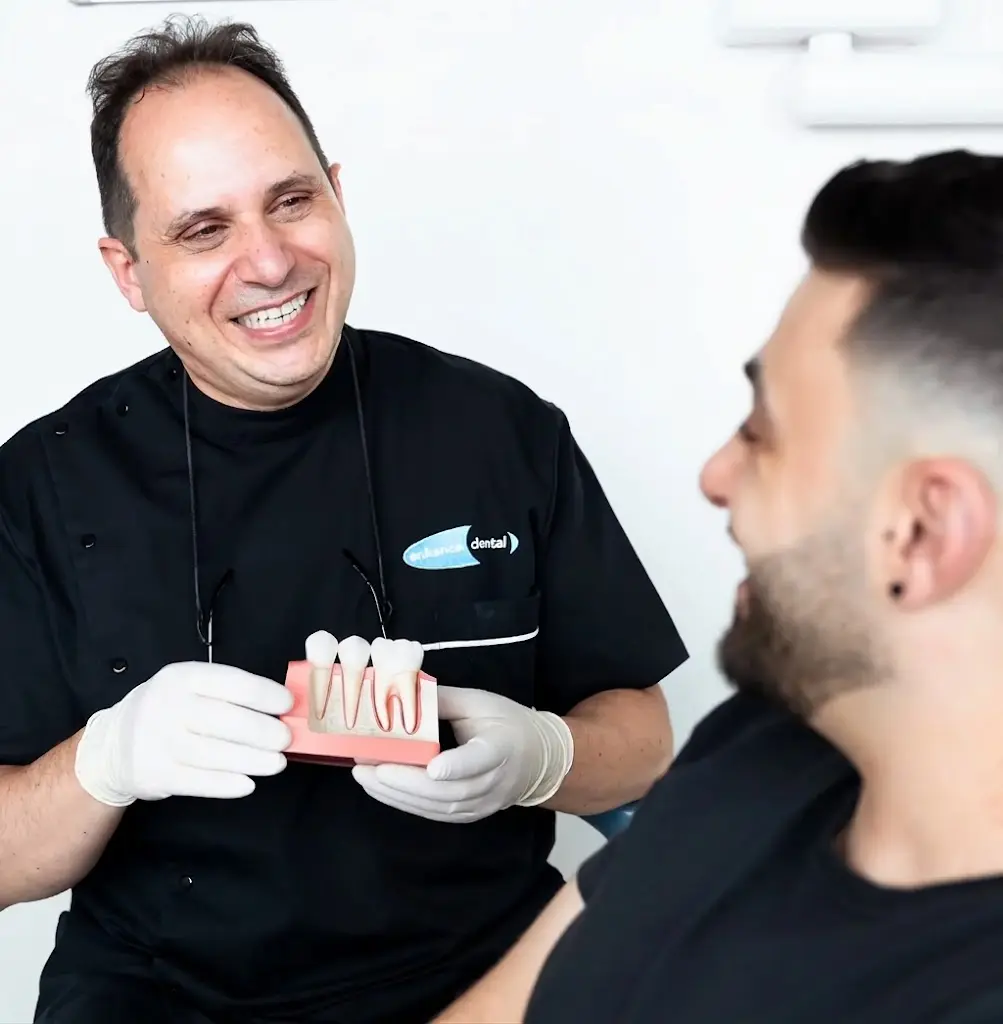
Australian-made dentures with Foradent Laboratories
Enhance Dental works with Glenn Fordham at Foradent Laboratories in Melbourne for our removable denture work. Glenn is the laboratory owner and senior technician, with decades of laboratory experience.
Dr Joseph Paino values the craftsmanship, attention to detail and dependable communication developed through this working relationship. Careful clinical measurements and a closely coordinated laboratory process support the fit and appearance we work towards for each patient.
Our Australian-made work includes high-quality full dentures, acrylic and cobalt chrome appliances. We also work with Foradent on suitable relines, tooth additions and repairs, including assessment of retention modifications to cobalt chrome frameworks.
You see Enhance Dental for assessment, planning, fitting and reviews. If laboratory changes are needed, we coordinate them and explain the likely timing. Ask us about the materials and proposed design so you can make an informed choice.

Valplast dentures without metal clasps
Valplast is a flexible nylon material used mainly for partial dentures. For a suitable patient, a small and carefully retained design can replace one tooth or a few teeth, with gum-coloured flexible clasps instead of metal clasps.
This may be useful if you want an inconspicuous removable option and do not want, or are not suitable for, a bridge, implant, implant bridge or fixed All-on-X treatment. Depending on your clinical circumstances, it can be considered for interim, medium-term or longer-term use.
We assess the size and position of the gap, your bite and the support available. The smallest possible appliance is not automatically the best or safest design. Flexible material also has different maintenance and laboratory requirements from conventional acrylic; additions may be possible through an appropriately equipped laboratory, while replacement can be preferable in some cases.
We will explain why Valplast, acrylic or cobalt chrome is recommended for you. For background on the branded material, see the official Valplast patient information.
Denture repairs, relines and tooth additions
A loose or damaged appliance does not always need replacement. Equally, repairing it without understanding the cause may leave the original problem unresolved. Bring the appliance and any broken pieces so that we can check the mouth, the fit and the condition of the materials.
Relines and fit reviews
When gums change, a reline may improve the fitting surface of an otherwise suitable appliance. We first assess whether the bite, replacement teeth and base remain serviceable.
Repairs and additions
We assess cracks, broken teeth and additions after further tooth loss. Foradent supports appropriate work on acrylic and cobalt chrome dentures, with the design and condition determining what is feasible.
Cobalt chrome retention and welding
Where a metal framework needs a retention modification, we can discuss laboratory assessment and suitable welding with Foradent. This is individual work: the remaining tooth support, framework condition and space available all influence the recommendation.
Please call before attending with a broken appliance. Tell us whether you can still eat or wear it and whether you have soreness. We will discuss appointment availability and likely next steps after assessment. We do not promise a same-day laboratory repair before inspecting the problem.
Your consultation, appointments and denture costs
- Assessment and discussion. We examine your mouth and existing appliance, ask about your medical history and listen to your priorities. Tell us about discomfort, looseness, appearance or difficulty eating.
- Options and a treatment plan. We explain suitable materials, the advantages and limitations, any preliminary dental treatment and the fees. Ask about future relines, adjustments and likely maintenance as well as the initial cost.
- Measurements and laboratory stages. Your plan may include impressions, bite records and a trial stage where appropriate. We work with the laboratory between appointments.
- Fitting and follow-up. We check the completed appliance, show you how to insert and remove it, and explain cleaning and storage. Follow-up helps address pressure spots and adaptation.
There is no single fee that accurately covers every full, partial or flexible design. The number of teeth, materials, complexity, laboratory requirements and any extractions or other care affect the quote. Private health benefits vary by policy; your fund confirms any rebate.
We provide an individual estimate before proceeding. Read about practice payment options or ask the team what applies to your treatment. If an extraction is needed, ask whether an immediate denture could be appropriate and how healing may affect later fit and costs.
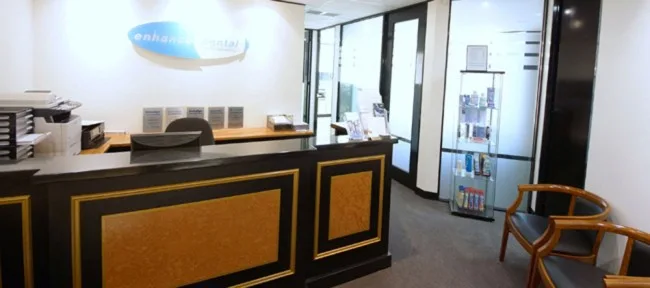
Personal care on St Kilda Road
Our practice is at Level 2, Suite 219, 566 St Kilda Road, Melbourne, convenient for patients travelling from nearby South Melbourne, Albert Park, St Kilda and South Yarra. See our location and contact details to plan your visit.
You are welcome to bring a family member or support person to help discuss your options. Tell us if you need assistance with communication, handling a removable appliance or organising appointments. We can include your carer in instructions with your permission.
We also care for remaining natural teeth and welcome other members of your family. Denture planning fits into your overall oral health, with ongoing preventive care rather than a one-off purchase.

Let us know what you need
When booking, tell the team whether you are considering your first appliance, replacing an older set, exploring flexible partial dentures or seeking a repair. That helps us arrange the appropriate consultation.
Bring your current and spare appliances, a list of medicines and any relevant health fund information. If a special occasion is approaching, mention the date so that we can discuss the stages and timing before treatment begins.
20 questions about dentures
Open a question below for practical information. Your dentist will tailor advice to your mouth and the material chosen.
What are the main types of dentures?
Full dentures replace all teeth in an upper or lower jaw. Partial dentures replace one or more teeth while you retain some natural teeth. The partial base may be acrylic, cobalt chrome or a suitable flexible material. An implant-retained overdenture is another removable option. We explain how each design relates to your mouth, preferences and budget before recommending treatment.
Can you replace just one missing tooth?
Yes. A carefully planned partial denture can replace a single tooth or a small number of teeth. The design must provide enough support and retention to be safe and practical. We compare acrylic, cobalt chrome and, where suitable, Valplast options with a bridge or implant. A very small appliance is only appropriate when its size and design are clinically suitable.
Can my dentures look natural rather than artificial?
We individually select tooth colour, size, shape and position, then consider the way your smile sits with your face and remaining teeth. The gum-coloured acrylic is carefully shaped and contoured. Bring older photographs or examples of smiles you like. They help us understand your preferences; the final design must also work with your bite, lip support and the space available.
Can I request very straight teeth or a Hollywood-style smile?
Yes. Tell us if you prefer a brighter shade and a straighter, more uniform arrangement instead of a more characterful natural appearance. We discuss these choices while planning your denture, rather than assuming everyone wants the same look. Where a trial stage is possible, it gives you an opportunity to comment on appearance before the appliance is finished.
Are your removable dentures Australian made?
Yes. Our removable denture work is Australian made. Enhance Dental works with Glenn Fordham at Foradent Laboratories in Melbourne for laboratory work including full, acrylic and cobalt chrome designs, relines and suitable additions or repairs. Dr Joseph Paino values this established working relationship and its attention to detail. Clinical appointments and ongoing reviews remain with Enhance Dental.
Is acrylic or cobalt chrome better for partial dentures?
There is no single best material for every patient. Acrylic can be useful when future changes or additions are anticipated. Cobalt chrome provides a strong, thin metal framework that is planned around your remaining teeth. We discuss support, visible clasps, the bite, maintenance, future tooth prognosis and fees. A material recommendation should follow examination rather than appearance alone.
What are Valplast flexible dentures?
Valplast is a branded flexible nylon material used mainly for partial tooth replacement. A suitable design can use gum-coloured flexible clasps instead of metal clasps. It may appeal when you want a discreet removable option for one or a few missing teeth. We assess whether the required support, hygiene access and bite make it a sensible choice in your case.
Is Valplast a temporary or long-term option?
Depending on the case, a flexible partial may be used as an interim, medium-term or longer-term removable solution. It is worth discussing if you do not want, or are not suitable for, a fixed bridge or implant treatment. Longer-term use still needs clinical reviews. No appliance lasts indefinitely, and changes to your mouth can mean an adjustment, laboratory modification or replacement is needed.
Can a tooth be added to an existing partial denture?
Often, but it depends on the base material, framework design, condition and where the additional tooth is needed. Foradent can assess additions to suitable acrylic and cobalt chrome appliances. Valplast additions require an appropriately equipped laboratory and may be possible; they are not handled like routine acrylic repairs. We first check whether modifying the existing appliance is preferable to making a replacement.
What is a reline and when might it help?
A reline renews the fitting surface against the gums. It can be considered when the mouth has changed but the existing appliance is otherwise suitable. It does not change every worn tooth, correct every bite problem or repair a failing framework. We examine fit, tooth wear, bite and tissue health to decide between an adjustment, reline, repair or a new denture.
Can you repair cobalt chrome or improve its retention?
We work with Foradent to assess suitable cobalt chrome repairs and modifications, including welding retention components when appropriate. The framework material, position of the problem, available space and remaining teeth all matter. Some damaged or poorly designed appliances are better replaced. Bring the denture and any broken parts to your appointment so that we can discuss realistic laboratory options.
How long does it take to make new dentures?
Allow for several clinical and laboratory stages rather than a single visit. Your plan may include measurements and impressions, recording the bite, a trial stage where appropriate, final fitting and follow-up adjustments. Timing depends on the design, laboratory requirements, any preliminary dental care and healing after extractions. Tell us about travel or an important event early so we can discuss what is achievable.
Will I have to go without teeth after an extraction?
An immediate denture may be an option when tooth removal is planned. It is prepared before extraction and fitted at the extraction appointment when appropriate. Because the gums and bone change during healing, further visits and relining or replacement may be necessary. We explain the likely sequence and costs in advance. This option must be planned; it cannot be assumed for every extraction.
What is the difference between implant-retained dentures and All-on-X?
An implant-retained overdenture is removable by you for cleaning and attaches to implants. A fixed full-arch implant bridge, sometimes called All-on-X or All-on-4, is designed to stay in place and is removed by a clinician when necessary. They differ in surgical requirements, maintenance and fees. We discuss suitability and arrange implant or specialist assessment when required.
How much do dentures cost in Melbourne?
Fees depend on whether you need a full or partial appliance, the material and design, laboratory work, extractions or other preliminary treatment, and the follow-up involved. Repair and reline fees also depend on the condition of the appliance. We provide an individual treatment plan and discuss the fees before you proceed. Ask what is included and whether future adjustments or relines are separate.
Can I use private health insurance?
Your entitlement depends on your policy, waiting periods, annual limits and the treatment item numbers. Bring your health fund details and ask for an estimate before deciding. The fund confirms any benefit payable; a quote from the practice does not guarantee a rebate. We can also discuss the practice payment options and help you understand the proposed treatment stages and associated costs.
How should I clean my denture?
Remove it for cleaning and use the method recommended for its material. Protect it from drops by cleaning over a towel or basin of water. Use a suitable denture brush and non-abrasive products; ordinary toothpaste can scratch the surface. Clean remaining natural teeth separately with fluoride toothpaste. Ask us which cleanser is suitable for acrylic, metal components or a flexible base, and rinse thoroughly before wearing.
Should I remove dentures at night and how should I store them?
Usually they should be removed during sleep, unless your dentist gives different instructions, such as after an extraction. Follow the storage advice for your particular material rather than one rule for every appliance. Valplast recommends keeping its flexible partial hydrated in water or its recommended cleansing solution when it is not being worn. Avoid hot water and follow the product directions for cleaning.
What if my denture is loose, broken or rubbing?
Contact us for an assessment instead of persisting with discomfort or trying to bend, file or glue the appliance yourself. Keep broken pieces and bring them in. Tell the team if you are unable to eat or wear it, or if you have a sore that is not healing. We assess the cause and explain repair, reline or replacement options and timing.
Do I still need check-ups if I have no natural teeth?
Yes. We review the appliance, fit, bite and the health of your gums and other oral tissues. Bring your denture even if you have stopped wearing it. If you retain natural teeth, they also need preventive care and review. Your recall interval is tailored to your needs, particularly if your medical health, medicines or ability to manage daily cleaning has changed.
Ready to talk about dentures?
Whether you need new dentures or help with an existing appliance, we will explain your choices and the costs so you can decide with confidence.
Enhance Dental • Level 2, Suite 219, 566 St Kilda Road, Melbourne VIC 3004