
Occlusal splints · Teeth grinding · Melbourne
Occlusal splints in Melbourne.
Protection made for your teeth.
Concerned about grinding, worn teeth or damage to dental work? At Enhance Dental, Dr Joseph Paino assesses whether custom occlusal splints could help protect your teeth. Where appropriate, we prescribe a nylon bite splint manufactured by 3D Sleep, using 3Shape TRIOS digital records and a vapour-polished finish.
Start with a clear assessment, a suitable design and a fitting checked in your mouth. Your teeth, comfort and clinical needs guide the decision.
Level 2, Suite 219, 566 St Kilda Road, Melbourne VIC 3004 · Nervous patients welcome
A protective appliance with a clear purpose
What are occlusal splints?
Occlusal splints are removable dental appliances fitted over a prescribed arch of teeth. They are also called bite splints, grinding splints or night guards. Their contact surface separates the upper and lower teeth so that opposing teeth do not grind directly against one another.
A dentist may recommend occlusal splints to help protect vulnerable teeth, fillings, crowns or veneers from the effects of grinding and clenching. An appliance is one possible part of care; the decision depends on the consequences of the activity and the condition of your mouth.1
Protection does not mean grinding has stopped
You may continue to clench or grind while wearing a splint. The aim, wearing instructions and review plan should be explained before treatment. A custom appliance is not a promise of a permanent cure.
Already experiencing painful clicking, locking or persistent facial pain? Our jaw pain, TMJ and TMD guide explains the wider assessment and conservative treatment options.

A splint protects teeth but does not replace missing tooth tissue. If you also want to discuss rebuilding worn edges or surfaces, read our Restoring Worn Teeth guide.
Understand the pattern before choosing an appliance
Grinding, clenching and tooth wear: what needs checking?
Bruxism describes jaw-muscle activity during sleep or wakefulness. Awake bruxism can involve holding the teeth together or bracing the jaw while concentrating. Sleep bruxism is a different pattern that occurs during sleep. Neither automatically means everyone needs treatment.2
Changes in the teeth
New chips, sensitivity, damaged restorations or a changing wear pattern deserve an examination. Old wear alone does not show how much grinding is happening now.
What you notice
Tell us about morning jaw tiredness, daytime clenching, previous splint use and sounds reported by a partner. Symptoms and tooth findings are considered together.
The wider history
Sleep quality, stress, medicines, snoring and dental treatment can all be relevant. Do not stop prescribed medicines yourself; concerns may need discussion with your prescriber.
What happens at your appointment?
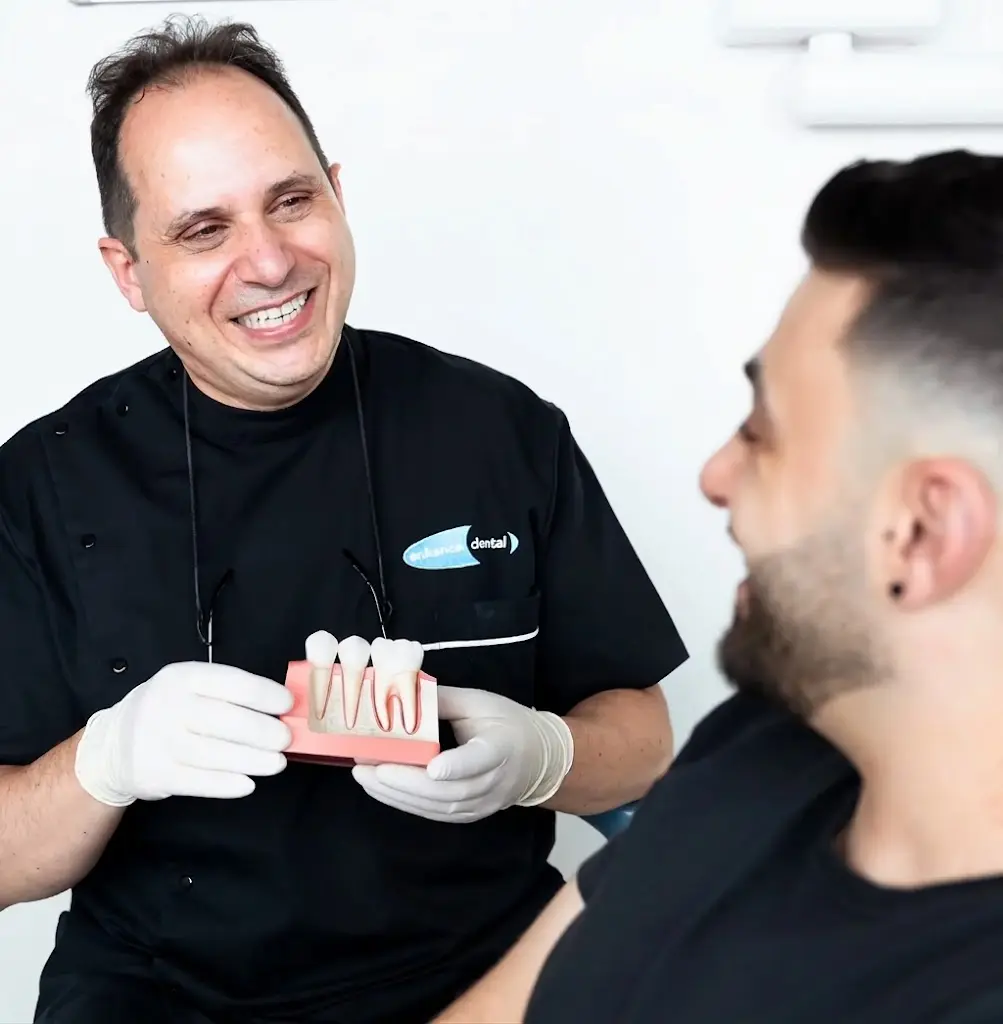
We discuss your goals, examine the teeth and restorations, and look for alternative explanations such as erosion, decay or a cracked tooth. We also assess comfort, jaw movement and the bite where relevant. Photographs or scans can provide a baseline to compare over time.
Radiographs are selected when they can answer a clinical question. An OPG, CBCT or other scan is not automatically needed just because you are considering occlusal splints. Unexplained pain needs investigation before it is attributed to grinding.
Tell us about loud snoring, breathing pauses or daytime sleepiness. A protective splint does not diagnose or treat obstructive sleep apnoea. Where indicated, we discuss medical or sleep assessment and the separate role of a mandibular advancement appliance for snoring and sleep apnoea.8
Your prescribed material and finish
Nylon occlusal splints from 3D Sleep
For suitable patients, we use a nylon appliance from 3D Sleep laboratory. Its 3DS Protect range uses laser-sintered, 3D-printed nylon and is available in flat-plane or Michigan-style designs. The laboratory describes a slim profile and a vapour-polished surface. We prescribe the design and coverage for your circumstances.3
Material and design
Nylon allows a lightweight design with some flexibility. Thickness, support and the prescribed contact surface are selected together; thinner is not automatically better in every clinical situation.
A considered fit
Digital manufacture supports personalised occlusal splints. We still check retention, pressure areas and biting contacts at fitting and make suitable clinical adjustments.
Ongoing use
A practical appliance should suit your mouth and be manageable to clean and wear. We review how it is performing rather than judge success from the material name alone.
What does vapour polishing add?
Vapour polishing is a laboratory finishing process that smooths the nylon surface. 3D Sleep describes the finish as sealing surface pores, improving stain resistance and cleanability, and supporting comfort and durability. These are manufacturer-described benefits of its process.4
We explain this finish without promising that a splint is unbreakable, germ-free or guaranteed to last a fixed number of years. Published material tests can compare wear under controlled conditions, but those results do not establish the lifespan of this exact appliance in your mouth. A study of polyamide and other splint materials, for example, was an in vitro wear experiment, not a long-term clinical trial of 3DS Protect.5
Digital records plus clinical fitting
From TRIOS scan to custom occlusal splints
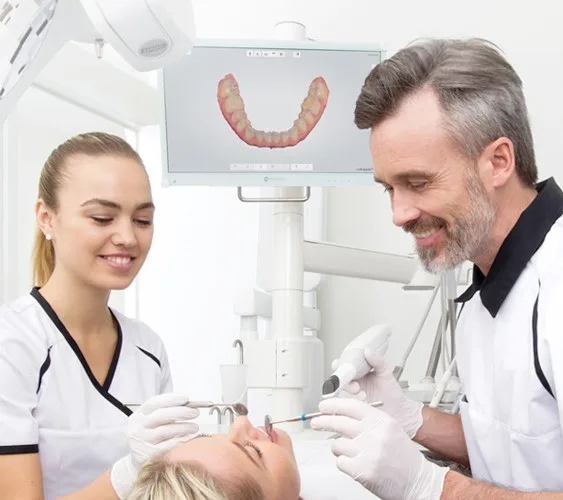
Our 3Shape TRIOS scanner captures digital impressions of your teeth and records of how the arches meet. These records support planning and communication with the laboratory. The scanner records the surfaces; the laboratory designs, manufactures and finishes the appliance from the prescription.6
Digital impressions avoid conventional impression material in many cases. They do not measure night-time grinding, show the jaw-joint disc or replace an examination. Additional records may be needed if a scan or bite record does not adequately answer the design question.
Explore our digital dental technology to understand how records help us explain findings and communicate treatment.
Assess suitability and agree the goal
We discuss the findings, alternatives and proposed fees. We explain whether occlusal splints are being considered for tooth protection, another defined purpose or as part of a wider care plan.
Capture teeth and bite records
We obtain the necessary digital records and check their quality. Existing dental disease or planned restorations may need attention before the final appliance is made.
Prescribe and manufacture
We send the records and clinical prescription to 3D Sleep. The design, material and contact arrangement follow the agreed requirements. We confirm the expected timing with you; this page does not promise a same-day appliance.
Fit, check and explain
At delivery we check seating, retention, coverage, comfort and the way your teeth contact the splint. We show you insertion and removal and explain when to wear it.
Review and maintain
We arrange follow-up appropriate to your needs. Bring your splint to dental visits so we can assess wear, fit, teeth and restorations and discuss adjustments or replacement when necessary.
Similar names can mean different appliances
Bite splints, night guards, retainers and sports mouthguards
Ask what an appliance is designed to do. A custom occlusal splint for grinding protection has a different purpose from a sports mouthguard, an orthodontic retainer or an airway appliance. We help you choose based on the problem being managed.
| Appliance | Usual role | What to consider |
|---|---|---|
| Custom nylon occlusal splint | A prescribed contact surface for tooth and restoration protection. | Needs suitable design, clinical fitting, cleaning and review. Grinding may continue. |
| Custom acrylic or milled splint | Another established material and manufacturing option for prescribed designs. | Material choice depends on the design, clinical requirements, maintenance and adjustment needs. |
| Shop-bought or boil-and-bite guard | A general appliance without the same individual prescription and fitting process. | Fit, retention and contacts may be unsuitable. Discuss persistent symptoms or pressure areas with a dentist. |
| Sports mouthguard | Protection against sporting impacts. | A custom sports mouthguard is not interchangeable with a prescribed grinding splint. |
| Orthodontic retainer | Maintains tooth positions after alignment. | A retainer is not automatically designed to withstand grinding loads. Retention and protection need coordinated planning. |
| Mandibular advancement appliance | A selected treatment for snoring or obstructive sleep apnoea after appropriate assessment. | Has a different prescription and purpose from a simple protective bite splint. |
What if you already wear a retainer?
Bring your current retainers, aligners or older splint to your appointment. Tell us about orthodontic treatment and the advice you were given about retention. We need to plan tooth-position maintenance alongside grinding protection.
Do not assume two appliances can be worn together or that one will safely replace the other. Changes in teeth, new restorations or an appliance that no longer seats properly may require new records. Speak with our team about your current appliances before changing how you wear them.

A good fit today needs review over time
Comfort, durability and caring for occlusal splints
New occlusal splints can initially feel unfamiliar, affect speech or increase saliva. We explain a gradual adaptation plan where suitable. Persistent pressure, new pain, looseness or a changed bite needs review; a problem should not simply be endured in the hope that it will settle.
How long do nylon occlusal splints last?
There is no single lifespan we can promise. Loading, material wear, cleaning, storage, dental changes and accidental damage all matter. A manufacturer warranty against particular defects is different from a guarantee about clinical results or how many years an appliance will remain suitable.
Review is useful even when occlusal splints look intact. We consider whether the appliance seats correctly, whether contacts remain appropriate and whether the teeth or restorations have changed. Early review may prevent a small fit problem from becoming an ongoing source of discomfort.
A practical care routine
- Clean your teeth before wearing the appliance.
- After removal, clean it using the brush and products recommended for your exact splint. Follow the supplied instructions for water temperature and cleaning time.
- For 3DS Protect, the laboratory instructions describe brushing and periodic denture-tablet cleaning in cold water. Check the current instructions supplied with your appliance.
- Inspect for cracks, rough areas or damage, and contact us if you are concerned.
- Store it as instructed, away from heat and out of reach of pets.
- Bring it to reviews and before new fillings, crowns or other dental work.
Read the 3DS Protect patient instructions (PDF) alongside our individual advice. Do not heat, trim or reshape your appliance yourself.7
When to contact us
Arrange review if the splint will not seat fully, causes new pain, becomes loose, develops cracks or is followed by a bite change. Stop wearing an appliance that worsens symptoms and seek advice. Call for a broken tooth, swelling or significant pain rather than waiting for an enquiry reply.
Clear advice before you decide
Occlusal splint costs in Melbourne
Fees for occlusal splints depend on the assessment, records, appliance prescription and follow-up required. We explain the proposed care and estimated fees before you proceed. Ask which fitting appointments and adjustments are included and how later reviews or replacement would be charged.
If you have private health cover, ask us for the proposed item numbers and check your own benefit and limits with your fund. A rebate is not guaranteed. We can also explain the practice’s payment options and any relevant eligibility requirements.
We do not choose occlusal splints solely because a patient reports grinding. The appointment is an opportunity to decide whether protection is useful, discuss alternatives and plan any other dental care in a sensible order.
Clear answers before your appointment
12 helpful FAQs about occlusal splints and teeth grinding
Will a bite splint stop me grinding my teeth?
It may protect teeth while grinding or clenching continues. Changes in muscle activity vary. Occlusal splints are not a guaranteed cure for bruxism, so we agree the purpose and review the response rather than judge success from wearing an appliance alone.
Can occlusal splints help when my jaw does not hurt?
Yes, tooth protection and pain treatment are separate considerations. Some people have vulnerable teeth or restorations without jaw pain. We assess current damage, changes over time and the likely benefit before recommending a splint. A painless mouth does not automatically need an appliance either.
Are nylon occlusal splints better than every acrylic option?
There is no universal best material for every patient and design. We use 3D Sleep nylon splints where suitable and discuss their construction and finish. Acrylic and milled appliances remain options in appropriate circumstances. Fit, coverage, contacts, comfort and review matter alongside material choice.
Does vapour polishing make the appliance unbreakable?
No fixed durability guarantee should be inferred from the finish. The laboratory describes benefits for surface smoothness, staining and durability. Wear or damage can still occur. We inspect the appliance and explain whether adjustment, repair through the laboratory or replacement is appropriate.
Is the splint made by the TRIOS scanner?
The scanner captures digital records of the teeth and bite. 3D Sleep manufactures the prescribed appliance from the records, using its laboratory design and production process. Your dentist then checks the completed splint in your mouth. Scanning and laboratory manufacture are different stages.
How many visits do custom occlusal splints require?
An assessment and fitting are usually separate stages, with digital records obtained as appropriate and review arranged afterwards. Your needs may require additional visits or dental treatment first. We confirm your appointment plan and the current laboratory timing rather than promise a universal turnaround.
Can I use a sports mouthguard as a night guard?
Sports mouthguards are designed for impacts and have different construction and fitting goals. Do not assume a sports guard or a shop-bought device is suitable for overnight grinding protection. Bring any appliance you currently use so we can assess its fit and intended role.
Can occlusal splints be worn with Invisalign or retainers?
Treatment and retention need coordinated planning. Bring your aligners, retainers and treatment details to the assessment. We explain which appliance to wear and when. Do not add a splint over aligners, stop prescribed retention or substitute one appliance for another without individual advice.
How do new crowns or fillings affect occlusal splints?
Tell your treating dentist about your splint and bring it to the appointment. A change in tooth shape can affect fit or contacts. Sometimes clinical adjustment is possible; sometimes new records and a replacement are needed. Do not force an appliance onto changed teeth.
Will occlusal splints cure TMJ pain or clicking?
Jaw pain has several possible causes. A protective appliance is not a universal TMD treatment and does not guarantee pain relief or elimination of joint sounds. Persistent pain or locking needs its own assessment. Our jaw-pain guide explains conservative care and when referral is appropriate.
Can the same splint treat snoring or sleep apnoea?
A protective grinding splint and a mandibular advancement appliance have different purposes. Tell us about snoring, gasping, witnessed breathing pauses or daytime sleepiness. Appropriate medical or sleep assessment may be required before an airway appliance is considered.
When should occlusal splints be checked?
Attend the reviews agreed with your dentist and bring the appliance to routine dental visits. Contact us earlier for pain, a bite change, loosening, damage or incomplete seating. The 3DS Protect instructions recommend regular annual follow-up, with earlier assessment when needed. Your own review schedule may differ.
References and further reading
Evidence and manufacturer information checked 9 November 2026. Laboratory descriptions of materials and finishing are identified separately from clinical evidence. This page provides general information; your examination and prescription determine your care.
- National Institute of Dental and Craniofacial Research. Bruxism: assessment, oral appliances and other management options.
- Verhoeff MC et al. (2025). Updating the Bruxism Definitions: Report of an International Consensus Meeting. Journal of Oral Rehabilitation 52:1335–1342.
- 3D Sleep. 3DS Protect and nylon oral appliances. Manufacturer product information.
- 3D Sleep. Upgrade Your Occlusal Splints: Why Vapour-Polishing Changes Everything. Manufacturer explanation of its finishing process.
- Reyes-Sevilla M et al. (2018). Comparison of wear between occlusal splint materials and resin composite materials. Journal of Oral Rehabilitation 45:539–544. Laboratory study; not a clinical longevity trial of 3DS Protect.
- 3Shape. TRIOS intraoral scanners and digital laboratory workflows. Manufacturer information.
- 3D Sleep. 3DS Protect patient instructions (2025): adaptation, cleaning and review. Manufacturer document.
- Healthdirect Australia. Teeth grinding (bruxism): assessment, protection and sleep-apnoea review when indicated.
Let’s make a clear plan for your teeth.
Whether you have worn an appliance before or are considering occlusal splints for the first time, we can assess your teeth, explain suitable options and help you decide on the next step.
Enhance Dental Melbourne · Level 2, Suite 219, 566 St Kilda Road, Melbourne VIC 3004
Directions, contact details and practice information