
TRIOS scans · Digital photography · Paid planning
Digital Smile Design in Melbourne.
Explore the plan before treatment.
Explore tooth shape, alignment and a more coordinated smile with Dr Joseph Paino. Digital Smile Design uses your records to support an individual treatment discussion.
At Enhance Dental, both the Invisalign Smile Architect and 3Shape planning pathways involve 3Shape TRIOS scans and digital photography. We select the workflow for your needs.
Planning and records involve fees. We explain the proposed scope, inclusions and costs before you proceed. A digital visualisation is a planning aid; your oral health, bite and what is clinically achievable guide the final recommendation.
Enhance Dental Melbourne · Level 2, Suite 219, 566 St Kilda Road, Melbourne VIC 3004
Start with your preferences
What is Digital Smile Design?
Digital smile design uses visual records and appropriate software to explore proposed changes in relation to your teeth, lips and facial features. It can make a discussion about proportions, shape and treatment sequence easier to follow.
You might want to understand whether a change involves moving teeth, adding material, whitening, replacing an old restoration or combining several steps. You may also have features you want to retain. Those preferences belong in the planning conversation before treatment is selected.
The term describes an approach to planning. At this practice, the tools used are chosen for the task: Invisalign Smile Architect supports orthodontic and restorative planning together, while 3Shape Smile Design supports photo-based visualisation.12
You do not need to arrive with a chosen procedure. We begin with the condition of your mouth and the changes you would like to discuss. A small adjustment, staged care or no elective treatment may be appropriate after assessment.

Different records answer different questions
TRIOS dental scans and digital photography
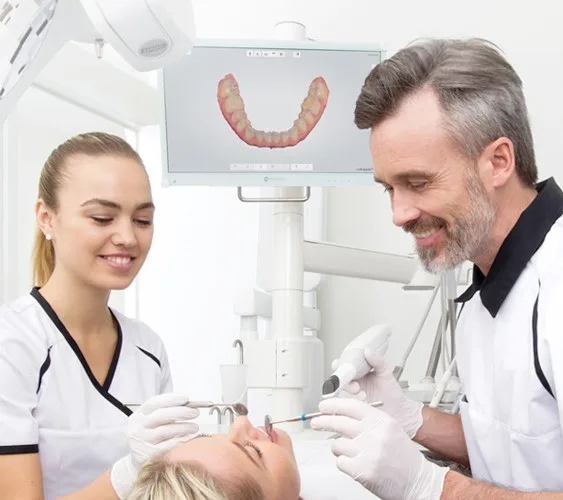
Both of our current smile-planning pathways involve 3Shape TRIOS scans and digital photographs. The scan records the surfaces of the teeth and relevant bite records. Photographs show the smile in a facial context that a close-up tooth scan alone cannot provide.
Build a useful starting record
We obtain the records appropriate to your case and check their quality. We may need several views, a particular smile position or a repeat bite record. Further clinical records or radiographs are selected where indicated.
A scan does not establish gum health, nerve health or the cause of pain. A photograph does not show whether a tooth can support the proposed restoration. The examination and the digital records work together.
Tell us about existing retainers, previous orthodontics, older restorations or a protective splint. Their fit and purpose may affect the sequence of planned changes.
Teeth and bite
Shape, position and contacts help us consider the available space and the relationship between alignment and restoration.
Smile and face
Photographs support discussion of tooth display, proportions, the smile line and the features you would like to keep.
Clinical findings
Tooth condition, gums, symptoms and risk factors determine whether the visual proposal is suitable and what needs attention first.
Choose the tool for the clinical question
Smile Architect and 3Shape: how the workflows differ
| Workflow | Main planning role | What still needs clinical assessment |
|---|---|---|
| Invisalign Smile Architect | Combines orthodontic and restorative planning within the ClinCheck environment, supporting discussion of tooth movement and proposed restorative changes. | Suitability for alignment, the restorations actually needed, preparation, material, bite and subsequent laboratory design. |
| 3Shape software | Smile Design provides photo-based visualisation within a wider digital workflow using the practice’s scans and photographs. | Whether the illustrated shape is achievable and suitable, and the records and design needed for any actual restoration. |
Invisalign Smile Architect: plan alignment and restoration together
In some cases, changing tooth position before restorative work can help address space or proportions. Smile Architect allows the dentist to consider orthodontic and restorative elements together rather than discuss the visible restorative shape in isolation.1
The plan may involve Invisalign followed by selected bonding, veneers or another restoration, but combined treatment is not automatically necessary. We explain the purpose, alternatives, likely sequence, retention and fees for the proposed care.
Align states that Smile Architect does not replace the dentist’s restorative decisions or the dental CAD design needed for fabrication. A visual planning file is not, by itself, a finished restoration ready for manufacture.1
3Shape Smile Design: discuss appearance using photographs
3Shape describes Smile Design as a tool for visualising changes on patient photographs. It can help discuss a proposed shape in context and compare ideas before choosing a direction.2
At Enhance Dental, scans are also obtained as part of the planning pathway. The photograph-based visualisation and the three-dimensional tooth records have different roles. Software selection does not remove the need to assess the tooth, gums and bite.
A preview is not a prediction
A simulation illustrates a proposal. It cannot promise the final tooth colour, texture, fit, comfort or long-term performance. We explain which parts are illustrative and which need further diagnostic or laboratory work.
Which treatment discussions can it support?
Digital planning can be useful when several decisions affect one another—for example, whether to align teeth before adding resin, how much visible length is being proposed or how whitening fits around replacement restorations. The aim is to make the choices understandable, rather than begin with a predetermined package.
Alignment and proportions
Discuss Invisalign and whether tooth movement may help the space or shape being considered. Some cases need specialist orthodontic advice.
Bonding and veneers
Compare composite bonding and resin veneers with Learn About Porcelain Veneers, including preparation and ongoing care.
Worn or damaged teeth
Consider restoring worn teeth and Explore Porcelain Crowns within a wider bite plan, rather than choose shape from a photograph alone.
For the broader treatment conversation, explore our Smile Makeover guide. That page compares treatment options; this page explains the paid digital planning process and its limits.
From ideas to an informed decision
Your Digital Smile Design planning stages
Discuss your goals and oral health
Explain what you would like to change and keep. We assess the clinical starting point and discuss whether digital planning would add useful information.
Agree the records and fees
We explain the proposed planning scope, scans, photography, software pathway and any additional diagnostic stages. You can ask what is included before proceeding.
Capture scans and photographs
We collect TRIOS digital records and the photographs needed for the selected pathway. Records may need refinement or additional views to be useful.
Review the proposal together
Discuss the illustrated changes, suitable alternatives and the treatment sequence. We explain any parts that remain uncertain or need a mock-up, laboratory stage or specialist input.
Decide on treatment separately
Digital design is a planning stage. We explain the actual treatment, risks, preparation, costs, timing and maintenance before you choose whether to proceed.
Ask the questions that matter to you
What natural tooth would be altered? Could alignment or bonding be more conservative? How will the proposed length affect contacts? Which parts can be staged? What happens if you prefer the existing appearance after reviewing the options?
We can discuss photographs of real treatment examples alongside your proposal. Another patient’s result or a generic illustration does not demonstrate what your treatment will achieve, or which software was used for that case.

Know the scope before proceeding
Digital Smile Design fees and inclusions
Digital Smile Design is a paid planning service. Fees depend on the assessment, records, software workflow and any additional design or diagnostic stages. We explain the proposed costs and what is included before work begins.
If planning forms part of a larger Invisalign or restorative plan, ask which records and design stages are included in that estimate and which involve additional fees. Laboratory wax-ups, mock-ups, provisional work and the final treatment have their own scope; they should not be assumed to be covered by a visualisation fee.
An introductory consultation is a separate appointment type from a paid records-and-design stage. Contact the team to arrange the appropriate visit. Health-fund benefits depend on your cover and the actual services provided; we do not promise a rebate for digital design.
You can take time to consider the proposed treatment. Paying for planning does not commit you to a particular restorative or orthodontic procedure. Ask about payment arrangements and the terms relevant to your care.
Digital Smile Design: 10 helpful planning questions
Is Digital Smile Design a treatment itself?
It is a planning and communication stage. Any Invisalign, bonding, veneers, crowns or other care is separately assessed and explained. Viewing a simulation does not establish that a particular treatment is needed.
Is Digital Smile Design free?
Fees apply to our current planning service and records. We explain the scope, inclusions and proposed costs before proceeding. An introductory consultation is a different appointment type from paid scans, photography and design work.
Do both workflows include TRIOS scans and photographs?
Yes. At Enhance Dental, both the Smile Architect and 3Shape pathways involve TRIOS dental scans and digital photography. The records serve different purposes, and we select the planning approach for the clinical question.
How does Smile Architect relate to Invisalign?
Smile Architect is part of the ClinCheck planning environment and combines orthodontic and restorative planning. The dentist still decides what treatment is appropriate, and restorative design and fabrication require their own clinical and laboratory stages.
Is 3Shape Smile Design a 3D restoration design?
3Shape describes Smile Design as photo-based smile visualisation. In our pathway, TRIOS scan records also support the wider assessment and planning. A photo simulation is not a substitute for the design and manufacture of a clinical restoration.
Will my final smile look exactly like the simulation?
That cannot be guaranteed. A preview illustrates a proposal and cannot establish every detail of colour, texture, gum response, fit or function. We discuss what is achievable and what needs further testing or planning.
Can I plan Invisalign followed by bonding or veneers?
That combination may be useful in selected cases. Alignment can be considered before a restorative change, but both procedures are not automatically needed. We explain alternatives, treatment stages, retention and maintenance.
Can smile design show whether my bite will be comfortable?
A visualisation cannot establish comfort or jaw function. Clinical assessment and appropriate bite records remain necessary. Selected cases may benefit from diagnostic models, a mock-up or provisional stages before definitive restoration.
Does the design fee include a mock-up and the final treatment?
Do not assume so. We explain the actual inclusions in your estimate. Additional diagnostic, laboratory, orthodontic or restorative stages may carry separate fees, which should be discussed before proceeding.
Can I decide against treatment after the planning stage?
Yes. Planning is intended to help an informed decision. You can ask questions, consider alternatives and take time before choosing treatment. We explain the agreed planning fees and scope independently of whether you proceed with the proposed treatment.
References and further reading
Sources checked 9 November 2026. General information supports a discussion with your dentist; your examination determines your care.
- Align Technology / Invisalign Australia. Invisalign Smile Architect, part of ClinCheck software. Manufacturer information, including the limits on restorative design and fabrication.
- 3Shape. Smile Design: photo-based smile visualisation. Manufacturer information; a clinical outcome is not guaranteed.
- 3Shape. TRIOS intraoral scanners and digital records. Manufacturer information.
See the proposal. Understand the decisions.
Tell us what you would like to explore. We will assess whether digital planning is useful, explain the records and fees, and help you compare suitable options.