
Compare your options · Melbourne
A clearer choice starts with your teeth.
Comparing Invisalign vs braces? Both can move teeth. The right approach depends on your bite, oral health, treatment goals and the routine you can realistically follow.
Explore the everyday differences, the questions to ask and when specialist orthodontic advice may be helpful.
No-obligation initial consultation. Records and treatment are separate steps. What does the consultation include?
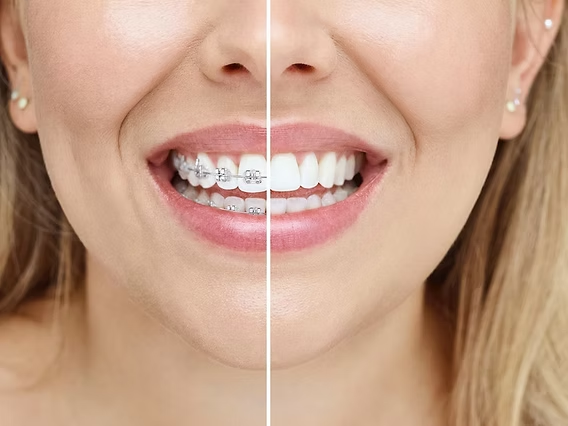
The practical comparison
Invisalign vs braces: 7 essential differences
Invisalign uses a sequence of removable clear aligners. Fixed braces use brackets and wires attached to the teeth. Both require a personalised plan, regular reviews and good oral hygiene.
| What matters | Invisalign clear aligners | Fixed braces |
|---|---|---|
| 1. Appearance | Clear and generally less noticeable. Attachments and elastics may still be visible. | Metal brackets are visible. Ceramic or lingual options may be available through an orthodontist. |
| 2. Daily commitment | Removable, so consistent wear matters. Usually worn 20–22 hours daily, as prescribed. | Remain attached between visits. Cleaning, appointments and prescribed elastics still require commitment. |
| 3. Eating & drinking | Remove for meals and drinks other than plain water. Keep aligners safely in their case. | Hard, sticky or chewy foods may damage brackets or wires and need to be avoided or modified. |
| 4. Cleaning | Remove aligners to brush and floss. Both teeth and aligners need regular cleaning. | Clean carefully around brackets and under wires. Additional cleaning aids are often useful. |
| 5. Comfort & repairs | Pressure, tenderness or irritation can occur. Lost, damaged or poorly fitting trays need advice. | Pressure and soft-tissue irritation can occur. A loose bracket or poking wire may need attention. |
| 6. Suitability | Depends on the movements needed, your oral health and ability to follow the plan. | May suit movements or bite problems better managed with fixed appliances. Specialist assessment may be appropriate. |
| 7. Cost & timing | Varies with complexity, treatment scope and what is included. Extra aligners can affect timing. | Varies with complexity, appliance choice and what is included. Adjustments and repairs can affect timing. |
Neither appliance guarantees a particular result or treatment duration. Your own comparison should follow an assessment, rather than appearance or price alone.
Start with suitability
Invisalign or braces: what fits your situation?
We look beyond the front teeth. Your bite, gum support, existing restorations, previous treatment and any jaw concerns help determine which options deserve consideration.
Clear aligners may suit you when…
- Your proposed tooth movements can be managed with aligners.
- You want a removable appliance for meals and cleaning.
- You can follow the daily wear schedule and attend reviews.
- You understand that attachments, elastics or additional aligners may form part of the plan.
Discuss braces or specialist advice when…
- Some movements may be better managed with a fixed appliance.
- Regularly removing aligners would make consistent wear difficult.
- There are complex bite, jaw, impacted-tooth or growth concerns.
- You need a specialist opinion before deciding how to proceed.
Dr Joseph Paino is a general dentist who provides Invisalign for suitable patients. He is not a specialist orthodontist. We discuss referral where your needs call for specialist assessment. Considering treatment for a teenager?
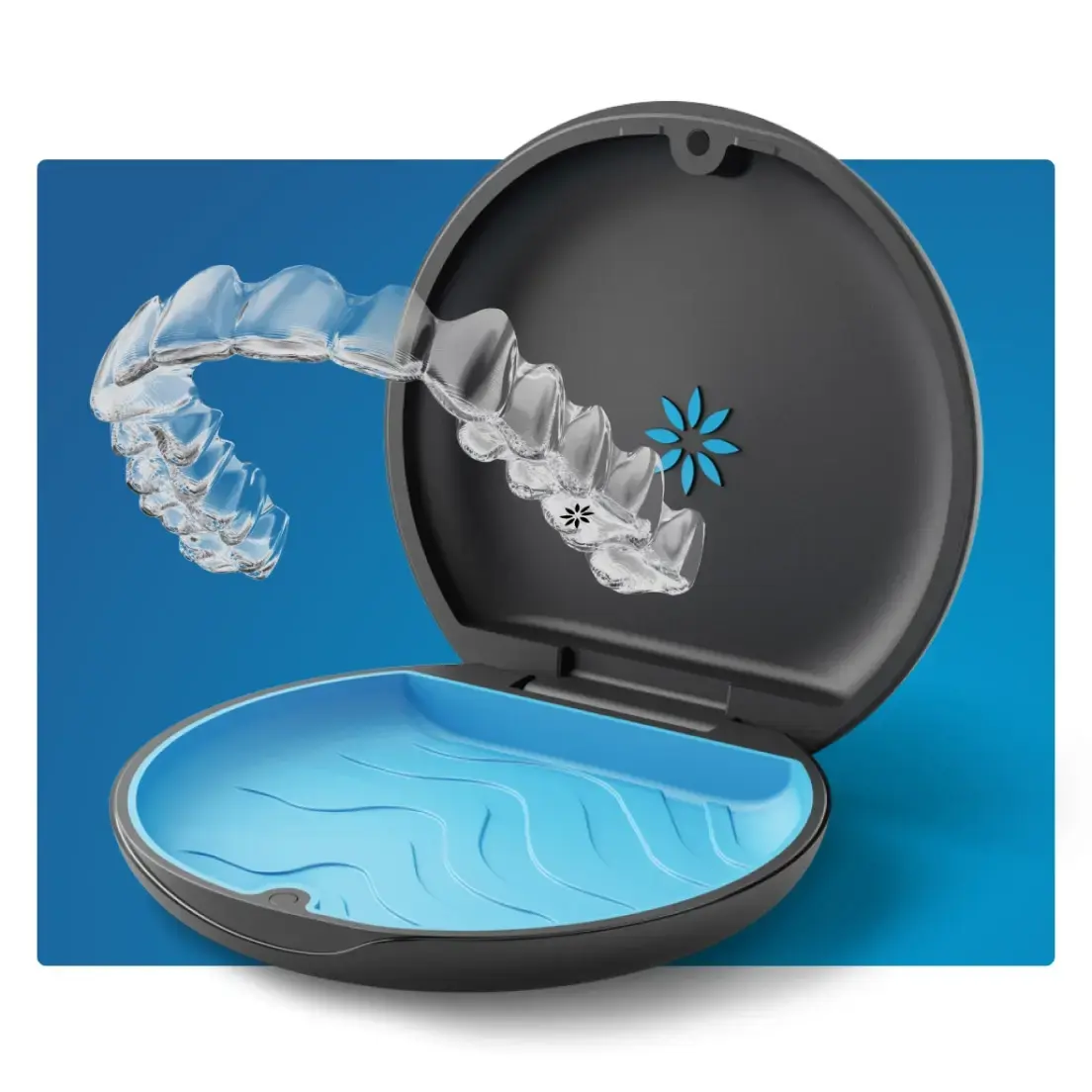
Think about a normal day
Invisalign vs braces in everyday life
Removability can be convenient, but it also creates a responsibility: remembering to put aligners back in and reach the prescribed wear time.
- Meals and coffee: plan breaks, remove aligners for drinks other than plain water, and follow your cleaning instructions before reinserting them.
- Work and conversation: speech can feel different initially with either appliance. Tell us if your job makes this a particular concern.
- Sport and travel: discuss mouthguard needs, spare supplies and what to do if something is lost or damaged.
Could you comfortably build 20–22 hours of aligner wear into your day?
Compare the whole plan
Invisalign vs braces cost in Melbourne
Either option can cost more depending on the treatment required and the provider. A useful comparison starts with the same treatment goals and a clear explanation of what each quote includes.
Questions worth asking
- Are scans, photographs and required X-rays included?
- Which reviews, adjustments or additional aligners are covered?
- Are retainers included, and what does replacement cost?
- What extra treatment or exclusions could affect the total?
Understand your options first
Our cost guide explains current Enhance Dental Invisalign fees and payment options. Fixed-braces fees should be discussed with the provider proposing that treatment.
The initial consultation is a no-obligation conversation. Diagnostic records and treatment are separate steps, explained before you proceed.
A plan for your teeth
Understand the proposed result before you commit
At Enhance Dental, assessment and digital planning help us explain the proposed tooth movements and the practical steps involved. A digital simulation is a planning tool; it does not guarantee the final result.
If attachments, interproximal reduction (IPR), elastics or additional aligners are proposed, we explain why they are being considered and what they involve.
Looking at previous cases can help you ask better questions. Each patient has different starting conditions, treatment needs and results.
Explore Invisalign before-and-after cases →
See our practice technology and digital scanning →
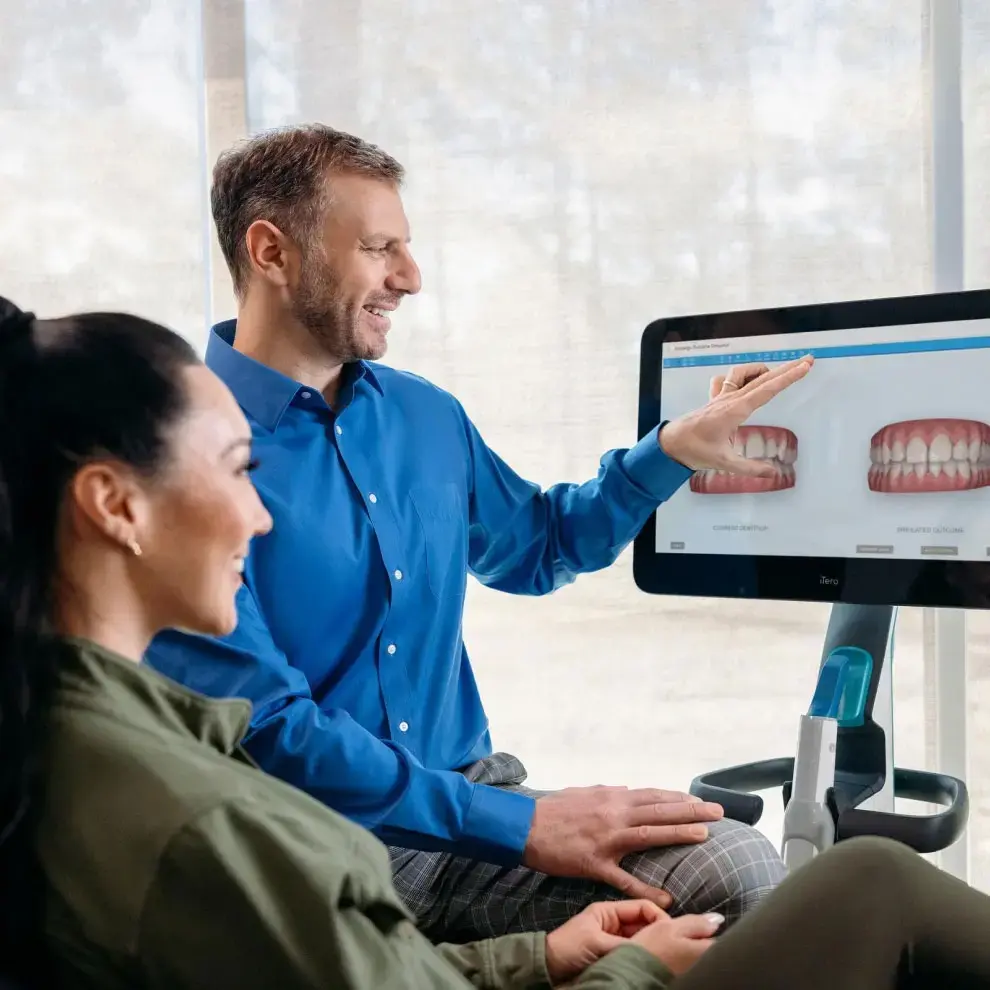
Allow for reviews and refinements
Your teeth may respond differently from the initial plan. Regular reviews allow your clinician to monitor progress and discuss changes where needed. Missing appointments, appliance damage or insufficient aligner wear can delay treatment.
Understand risks and alternatives
Both treatments can cause discomfort and require careful cleaning. Risks can include tooth decay, gum problems, gum recession, root shortening and teeth moving after treatment. Your clinician should discuss the risks relevant to you, alternatives and the option of deferring treatment.
Active dental or gum disease needs appropriate care before tooth movement begins.
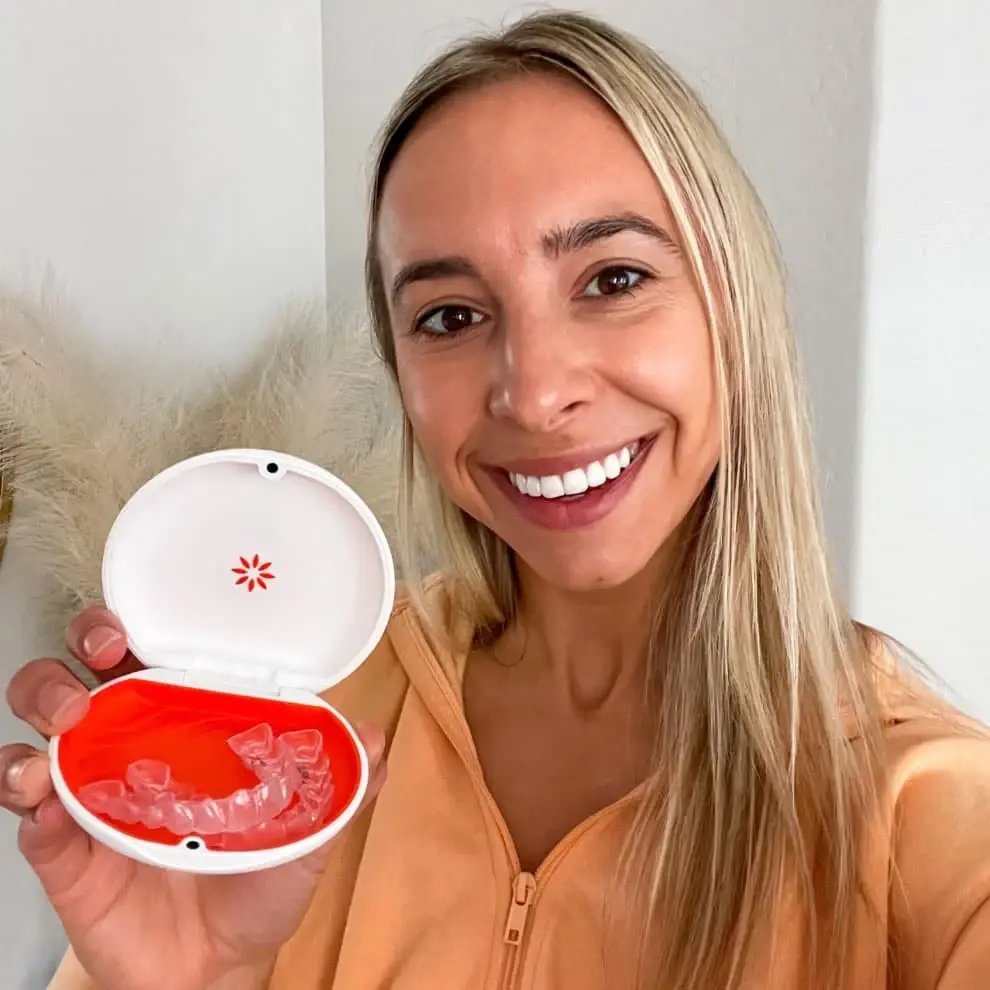
Plan beyond the last aligner
Retainers matter after both options
When comparing Invisalign vs braces, include the retention phase. Teeth can move again after either treatment, so retainers and ongoing checks are part of maintaining alignment.
Your clinician will explain which retainer is appropriate, how often to wear it and how to care for it. Long-term wear is usually needed; the schedule is individual.
We discuss Vivera retainers with suitable patients, including fees, replacement and ongoing care.
Ask about retainers before treatment starts, so the full plan is clear.
Helpful answers
Invisalign vs braces: your questions
Is Invisalign better than braces?
There is no single best appliance for everyone. Invisalign may suit someone who values removable aligners and can follow the wear schedule. Fixed braces may be more appropriate for some tooth movements or for someone who would struggle to wear aligners consistently. An assessment of your teeth, bite and gum health comes first.
Can Invisalign treat complex bite problems?
Clear aligners can be used for a range of tooth and bite concerns, but suitability depends on the movements required and your individual circumstances. Jaw discrepancies, impacted teeth and some complex bite problems may need specialist orthodontic assessment. We discuss referral when appropriate.
Is Invisalign faster than braces?
Neither option is automatically faster. The complexity of the plan, your response to tooth movement, appliance breakages, aligner wear and attendance at reviews all affect timing. Additional aligners or other adjustments may be needed. Ask for a realistic estimate for your own treatment.
Is Invisalign cheaper than braces?
Either treatment can cost more depending on the case and the provider. Compare itemised quotes for the same treatment goals, including records, reviews, additional aligners or adjustments, retainers and any exclusions. Our Invisalign cost page explains Enhance Dental fees and payment options.
Do Invisalign aligners or braces hurt?
Both can cause temporary pressure or tenderness as teeth move. Brackets and wires may irritate the cheeks or lips, while aligner edges or attachments can also feel uncomfortable. Tell your treating clinician about persistent pain, sores, a loose bracket or an aligner that does not fit properly.
Are Invisalign aligners completely invisible?
No. Clear aligners are generally less noticeable than metal braces, but they can still be seen. Tooth-coloured attachments, elastics and the edges of aligners may be visible. We explain any proposed attachments and other components before treatment.
Can I remove aligners for meals, meetings or special occasions?
Aligners are removed for meals and for drinks other than plain water. They still need to be worn for the hours prescribed, typically 20 to 22 hours each day. Frequent or lengthy breaks can affect progress. Discuss your work, sport and social routine before choosing treatment.
Will I need retainers after Invisalign or braces?
Yes. Teeth can move after either form of treatment. Retainers and ongoing reviews help maintain alignment, and long-term wear is usually part of the plan. Your clinician will prescribe a schedule and explain cleaning, checks and replacement. We discuss Vivera retainers for suitable patients.
Can you help me decide whether I need an orthodontist?
Yes. Dr Joseph Paino is a general dentist who provides Invisalign treatment for suitable patients. He is not a specialist orthodontist. Your consultation can help clarify whether Invisalign assessment at Enhance Dental is appropriate or whether specialist orthodontic advice and a referral should be considered.
Keep exploring your Invisalign options
Let’s talk about your options
Find out what fits your teeth and your life.
Bring your questions about Invisalign or braces. We will listen to your concerns, explain the next assessment steps and discuss whether specialist advice would be helpful.
In online booking, choose FREE Invisalign or Cosmetic Consultation.
Level 2, Suite 219, 566 St Kilda Road, Melbourne VIC 3004.
Contact, directions and parking information → · About the consultation →