
Compare your options · Melbourne
Fill the gap.
Plan for the whole smile.
Comparing dental implants vs bridges? Both can replace missing teeth with a fixed restoration. Explore how they work, what each asks of your mouth, and how a personal plan can support your smile and everyday comfort.
Choose “Consultation only” when booking, or call (03) 9533 8488 to confirm the appointment type and fee.
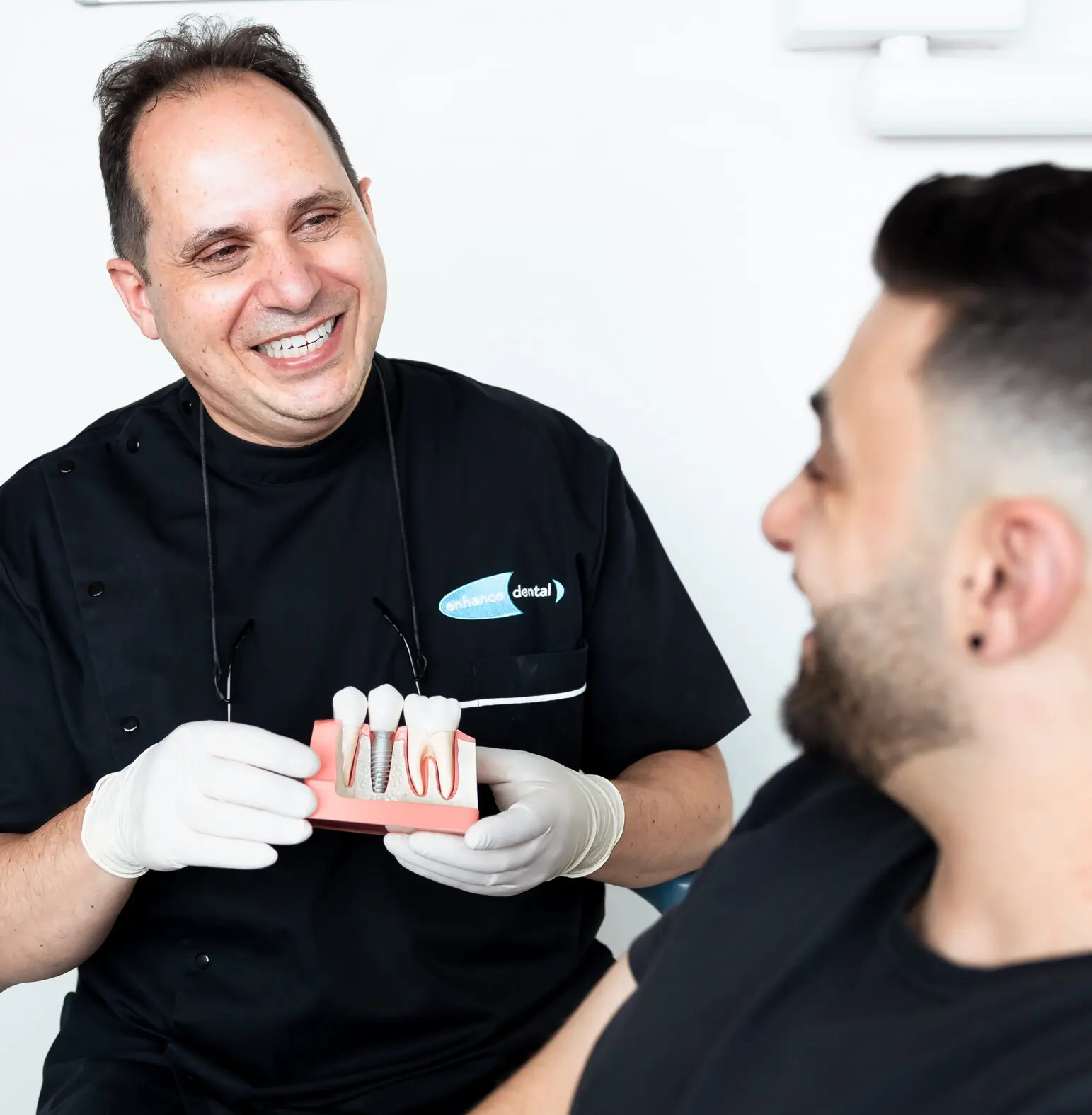
Your whole mouth matters The gap, neighbouring teeth, gums and bite
Clear options and stages Understand the proposed treatment and fees
Care beyond fitting day Cleaning, reviews and future maintenance
Two ways to support a replacement tooth
Start with what holds the tooth in place.
For dental implants vs bridges, the most useful starting distinction is the support underneath the visible replacement. This guide mainly compares an implant-supported restoration with a tooth-supported bridge.
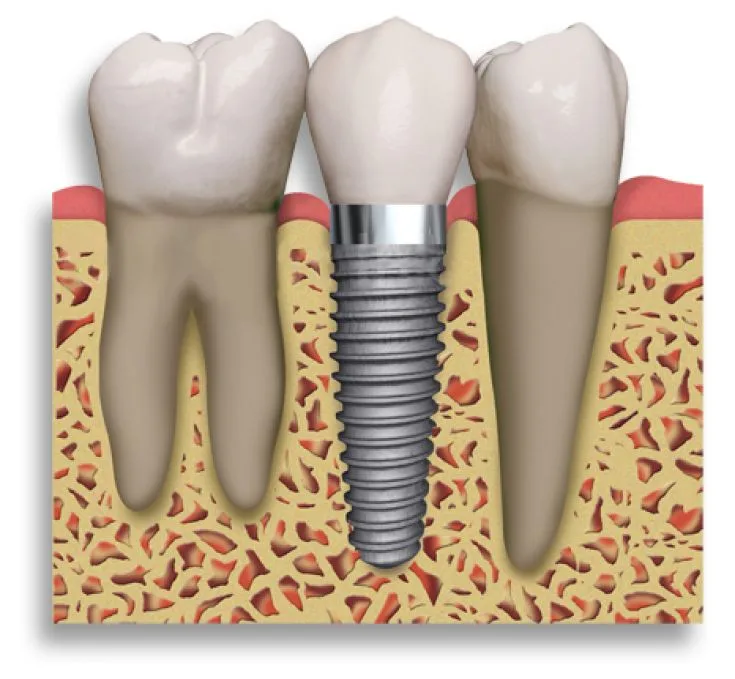
Support in the jawbone
A dental implant and crown
The implant acts as a foundation in the bone. A connector and crown complete a typical single-tooth restoration.
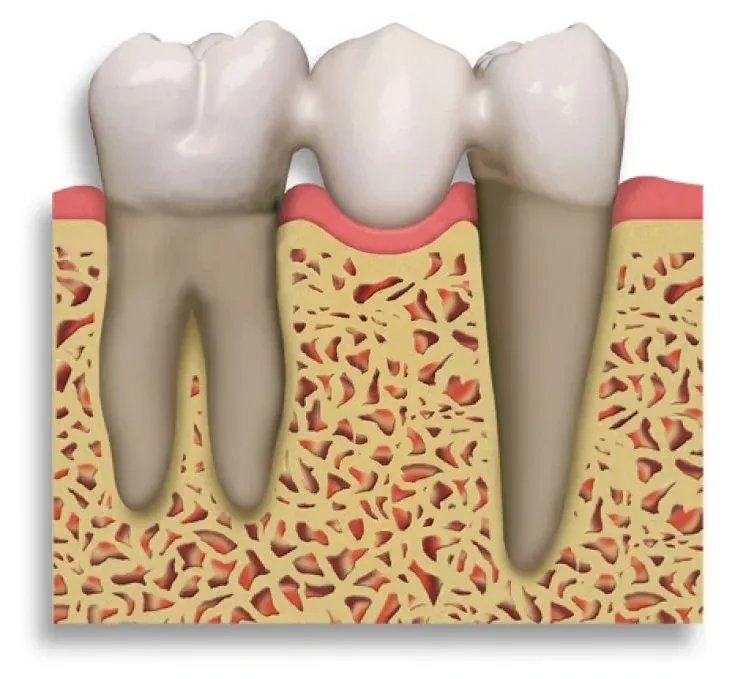
Support from neighbouring teeth
A tooth-supported bridge
A replacement tooth, called a pontic, is connected to one or more supports beside the gap. Different bridge designs use those supports differently.
The practical comparison
Dental implants vs bridges: 7 helpful differences
Both approaches can have a role in replacing teeth. The condition of your mouth, the restoration planned and your preferences help determine which options deserve consideration.
| What matters | Dental implant restoration | Tooth-supported bridge |
|---|---|---|
| 01Where support comes from | An implant in the jawbone supports a crown or other restoration. A single implant crown can stand independently of neighbouring teeth. | A tooth-supported bridge uses one or more neighbouring teeth to carry the replacement tooth or teeth. |
| 02Neighbouring teeth | Usually avoids preparing adjacent teeth simply to provide support. Those teeth still need examination and ordinary care. | A conventional bridge requires preparation of its support teeth. An adhesive bridge may conserve substantially more tooth structure. |
| 03What is assessed | The proposed tooth, bone, gums, available space, bite, health history and suitability for surgery. | The strength and condition of the support teeth, their roots and gums, the gap, available bonding surfaces and bite. |
| 04Appointments and healing | Includes a surgical stage and biological healing. The complete plan commonly extends over several months. | Often involves planning, preparation and fitting visits with laboratory time between. Preliminary treatment can add stages. |
| 05How it fits the gap | The implant position and the visible crown are planned together, including appearance and access for cleaning. | The pontic fills the gap above the gum. The supporting teeth and connections must suit the length and forces involved. |
| 06Daily care and future maintenance | Clean around the implant and restoration. Reviews monitor the supporting tissues, bite and components. | Clean around the supports and under the replacement tooth. Reviews monitor margins, gum health and retention. |
| 07The complete cost | Compare records, surgery, any grafting, temporary teeth, the connector, final crown and ongoing care. | Compare the number of units, support-tooth treatment, material, laboratory work, temporary teeth and future care. |
These are typical differences, rather than a personal recommendation. Read the independent patient information and research behind this guide.
Existing Enhance Dental patient example
A missing front tooth.
A carefully planned replacement.
Implant restoration
Replacing a tooth at the front of the smile involves its position, shape, shade and relationship to the gums and neighbouring teeth.
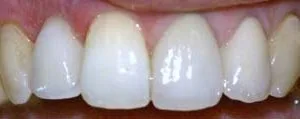
This existing implant case illustrates one patient’s tooth replacement. It does not establish the surgical method, treatment duration or need for any additional procedures in another case. Individual results vary.
Look beside the gap as well as at it
What condition are the neighbouring teeth in?
Healthy, minimally restored neighbours make preserving their structure an important part of a dental implants vs bridges discussion. An independent implant crown does not need those teeth to carry a conventional bridge.
If neighbouring teeth already need large restorations or crowns, a bridge may address those needs alongside the gap. Their roots, remaining tooth structure, gum support and long-term outlook still need assessment.
An adhesive bridge may offer another way to conserve tooth structure in a suitable case. The available enamel and bite guide whether a bonded-wing design is appropriate.
Position and restoration, planned together
Invisalign first.
Then two zirconia bridges.
Combined-treatment example
In this Enhance Dental case, both upper lateral incisors—the smaller teeth beside the two central incisors—were missing. The neighbouring front teeth were visibly worn, and there was spacing to consider.
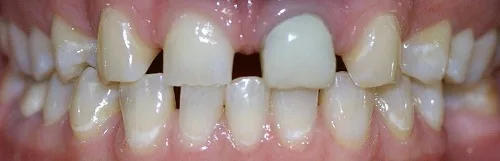
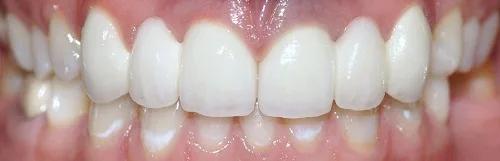
First, organise the spaces. Invisalign closed the gap between the upper central incisors and redistributed space for the missing lateral incisors.
Then, restore the planned teeth. Two three-unit zirconia bridges replaced the lateral incisors while restoring the supporting central incisors and canines.
Both orthodontic and bridge treatment contributed to this individual result. These are different patients from the implant examples; the photographs are not a controlled dental implants vs bridges comparison. Discover Porcelain Bridges
The design makes a difference
A bridge is not one single treatment design.
When comparing dental implants vs bridges, ask which bridge is actually proposed. The amount of preparation, bonding, cleaning and maintenance can differ substantially.
Conventional bridge
Crowns carry the replacement
May be useful when suitable neighbouring teeth already need substantial restoration. Preparation changes those teeth permanently.
Adhesive bridge
A bonded wing provides support
Often conserves more tooth structure for an appropriate gap. Bite, enamel, design and possible debonding need consideration.
Implant-supported bridge
Implants carry several teeth
Can be considered for multiple missing teeth. Surgical support, restoration design and cleaning access are planned together.
A single-retainer adhesive design and a two-wing design have different considerations. Your bridge page explains the evidence and limitations in more detail.
Plan the visible tooth and its foundation
Turn your comparison into a personal plan.
A dental implants vs bridges assessment considers the whole mouth, rather than the space alone. Examination, suitable imaging, tooth and gum health, and the way the teeth meet help clarify the options.
For an implant restoration
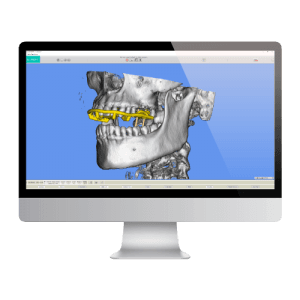
Dr Paino’s approach begins with the intended replacement tooth. CBCT where indicated, TRIOS scans of both arches and bite records help relate the planned restoration to bone and nearby anatomy.
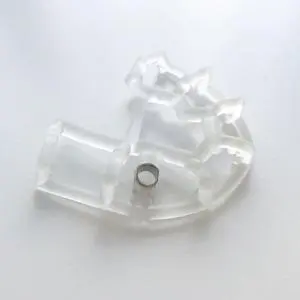
MoreDent laboratory planning and a patient-specific MGUIDE can help transfer the approved plan to placement. A guided or flapless approach is selected according to the site; it does not remove the need for healing or eliminate surgical risks.
For a tooth-supported bridge
The supporting teeth and their gum support are assessed alongside the gap and bite. The proposed material, span, contours and access for cleaning are considered with the laboratory.
TRIOS digital records can support suitable bridge workflows. Dr Paino works with Noble Dental Ceramics on laboratory-made bridgework, with attention to shape, shade and fit.
Understand the stages, including temporary teeth
Dental implants vs bridges: time and timing.
Tell us about work, travel or an important event. A useful timetable includes preliminary care, healing or laboratory stages, temporary teeth and reviews.
Establish the starting point
Assess the remaining teeth and gums. Discuss any treatment needed before a replacement can be planned.
Understand the sequence
An implant has placement and healing stages. A conventional bridge usually has preparation and fitting stages.
Fit and look after the restoration
Check appearance, bite and cleaning access, then agree on the ongoing review and maintenance plan.
Immediate implant placement, an immediate temporary tooth and fitting a final crown are separate decisions. They are appropriate only where the findings support them.
A useful distinction in an actual implant case
Placement and the final crown
are different stages.
Healing component → Crown
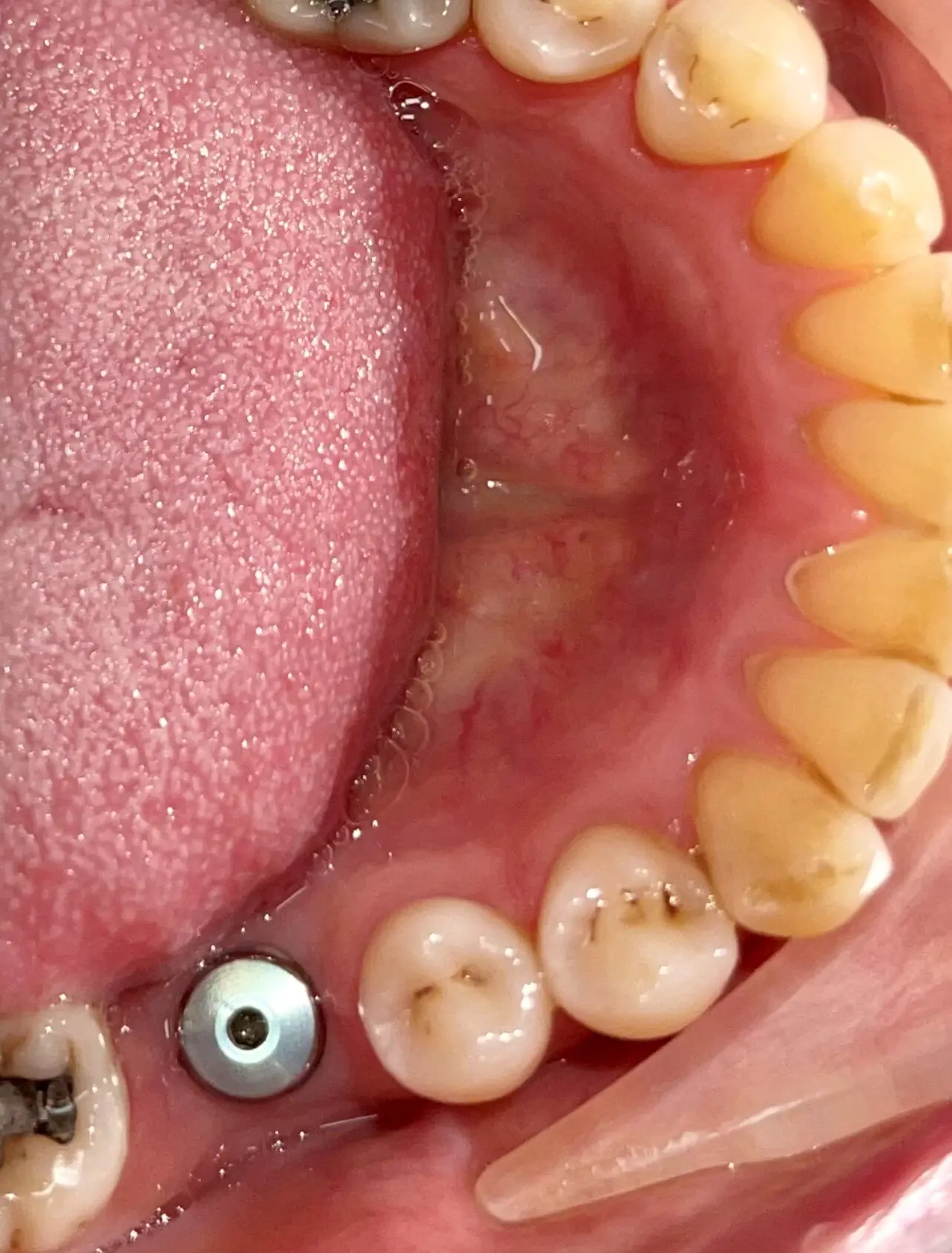
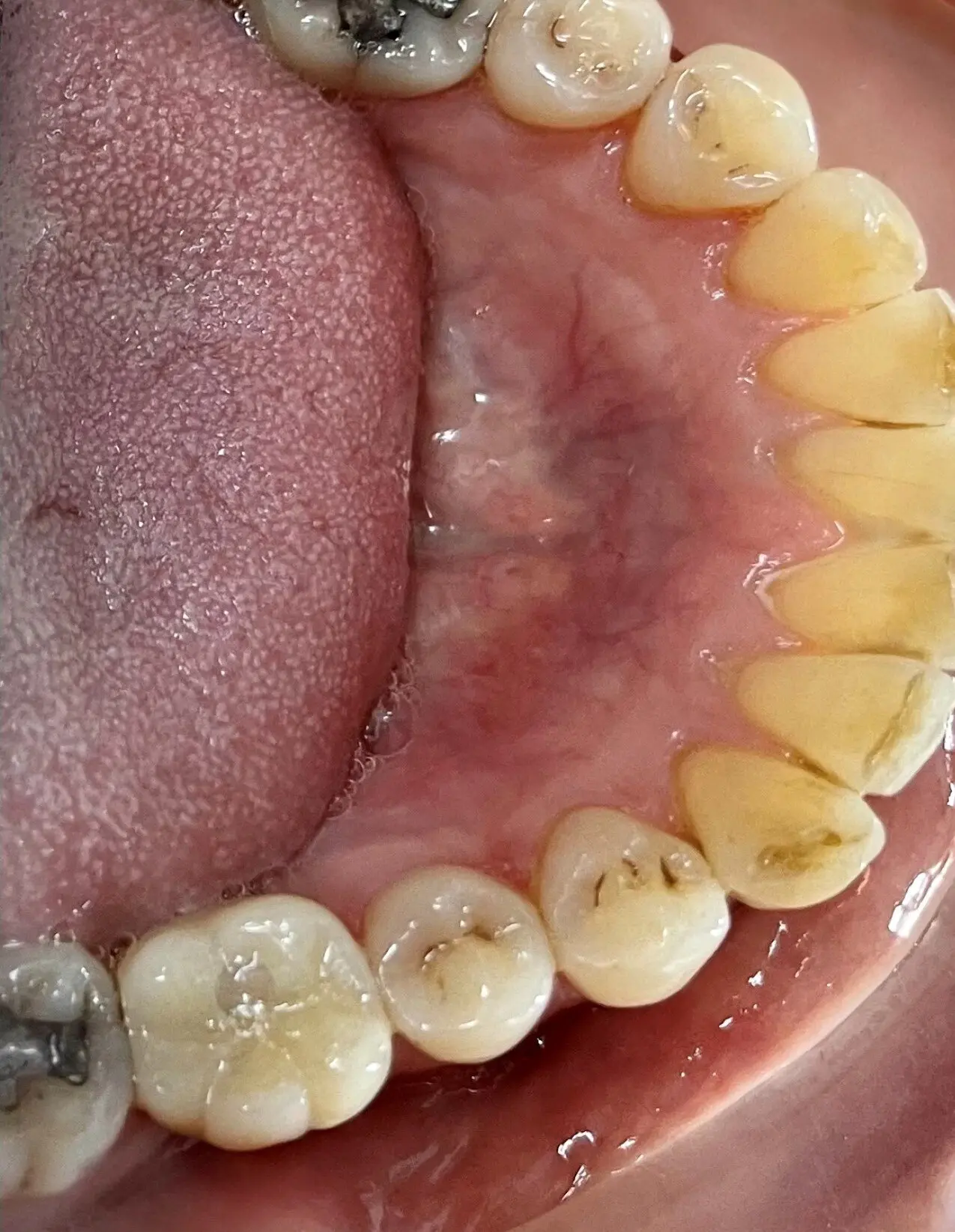
The first photograph already shows an implant healing component. The second shows the completed tooth restoration. This pair does not show the whole treatment course or a timetable for someone else.
Clarity before commitment
Dental implants vs bridges: compare the complete cost.
The right comparison is an itemised plan for your own mouth. Ask what is included, what could be additional and how future care would be handled.
Understand what the quote covers
For implants, ask about the surgery, guide, connector and final restoration, as well as any extraction, graft or temporary tooth. For a bridge, ask about every unit and the work needed for its support teeth.
Examinations, records, specialist input, laboratory stages, reviews and maintenance may be charged separately. Health-fund benefits should be confirmed with your insurer using the proposed treatment details.
Take these questions to your consultation
- What treatment is needed before the replacement?
- Which surgical or restorative components are included?
- How will the gap be managed during treatment?
- What might require a separate fee?
- What ongoing care and replacement costs should I allow for?
Care beyond fitting day
Make maintenance part of the choice.
A realistic dental implants vs bridges discussion includes cleaning and future reviews. Neither option is a fit-and-forget restoration.
Looking after an implant
Daily cleaning and professional reviews help monitor the gum, bone, bite and restoration. Inflammation around an implant can affect its support, and screws or crowns may need attention over time.
Tell us about bleeding, a changed bite, a bad taste or a loose component. Your cleaning tools and review interval should suit the restoration and your individual risks.
Looking after a bridge
Clean around the support teeth and beneath the pontic. The joined units need a practical cleaning method, such as bridge floss, a threader or a suitable interdental brush.
The supporting teeth can still develop decay, gum disease or pulp problems. A loose bridge, new sensitivity or food trapping deserves assessment rather than a home repair.
Keep the wider options in view
What else might suit the missing tooth?
Dental implants vs bridges is one useful comparison, but it does not cover every situation. You can discuss another option or the choice to defer treatment where appropriate.
A removable option
Partial dentures →
May replace several missing teeth where fixed support is limited, with different comfort and maintenance needs.
A tooth still present
Assess whether it can be kept →
A failing or cracked tooth needs a diagnosis before deciding that removal and replacement are necessary.
An appropriate space
Monitor or discuss space closure
In selected situations, monitoring a gap or an orthodontic assessment may be relevant. The bite and function guide the discussion.

University of Melbourne graduate, 1988
Your consultation at Enhance Dental
Clear options.
A considered next step.
You do not need to decide on dental implants vs bridges before visiting. Bring your questions, recent records if available, and details of any previous advice.
- Describe your priorities. The missing tooth, chewing, appearance, timing and budget.
- Understand the assessment. Discuss the examination, records and any specialist input needed.
- Review the proposed plan. Consider the alternatives, stages, risks, fees and future care.
In online booking, choose “Consultation only”, or call our team to confirm the appropriate appointment type and fee.
Examinations, imaging, records and treatment may involve separate appointments and fees. Let us know if you feel nervous about dental visits.
Helpful answers before you decide
Dental implants vs bridges: your questions
Open a question to explore the details. Your assessment connects this general information to your own teeth.
Dental implants vs bridges: which is better for one missing tooth?
There is no automatic best choice. The health of the teeth beside the gap is particularly useful information: an independent implant crown may help conserve otherwise sound neighbours, while a conventional bridge can be considered when those teeth already need substantial restoration. Bone, gums, bite, medical history, surgery preferences and maintenance also matter. Ask which findings support the recommendation for your own mouth and what alternatives would involve.
Do all dental bridges require neighbouring teeth to be filed down?
No. Conventional bridges generally use crowns on prepared supporting teeth. An adhesive or resin-bonded bridge uses one or more wings bonded to a neighbouring tooth and may need much less preparation. The available enamel, bite, gap and design influence suitability. Single-retainer and multi-retainer designs are not interchangeable. Ask which design is proposed, what would be changed on each tooth and how it would be monitored.
Is an implant-supported bridge the same as a conventional bridge?
No. A tooth-supported bridge is carried by natural teeth; an implant-supported bridge is carried by implants in the jawbone. Both replace teeth, but the support, treatment stages and maintenance differ. Our dental implants vs bridges table mainly compares an implant restoration with a tooth-supported bridge. If several teeth are missing, the discussion may include an implant-supported bridge rather than one separate implant for every missing tooth.
How long does dental implants vs bridges treatment take?
A straightforward bridge can involve preparation and fitting visits with laboratory work between them, but examinations, gum treatment or other preliminary care may add time. An implant plan includes surgery, healing and restorative stages and commonly extends over months. Grafting, an extraction site or specialist care can extend the sequence. Ask for your proposed stages and temporary-tooth arrangements, rather than relying on an appointment count that describes a different patient.
Which costs less: dental implants or bridges?
A headline price is not enough to compare the two. An implant quotation should explain the surgical and restorative components, while a bridge quotation should identify every unit and any treatment needed for its supports. Diagnostic records, temporary teeth, grafting, specialist input and maintenance may be additional. Request itemised written estimates for suitable options and ask what could change the fee. The lowest initial figure may describe a different scope of work.
Can an implant or bridge look natural at the front of the mouth?
Both can be planned with attention to tooth shape, shade, gum contours and the visible smile. The starting gum and bone levels, the space and neighbouring teeth influence what is achievable. In a front-tooth gap, ask how the replacement will meet the gum, whether additional treatment may be needed and what a temporary tooth would look like. A clinical photograph shows one result, rather than a promise of an identical appearance.
Will I need a bone graft before an implant?
Not everyone does. Bone volume and shape, the intended restoration and nearby anatomy are assessed before implant placement. If support is insufficient, grafting or another procedure may be discussed, or a different replacement option may be appropriate. Three-dimensional imaging is arranged where indicated. Ask whether grafting is proposed, why it is needed, its risks and costs, and how it would affect the treatment sequence. A surgical guide does not remove the need for adequate support.
Can I have an implant immediately after a tooth is removed?
Sometimes, but immediate placement and an immediate temporary tooth are separate decisions. The site, infection, gum and bone conditions, implant stability and the proposed restoration all matter. Some situations are better managed in stages. If an extraction is being considered, discuss replacement and temporary-tooth options early. Avoid assuming that removing a tooth, placing an implant and fitting the final crown will all happen at the same appointment.
Can I keep a tooth in the gap while treatment is underway?
Ask about temporary teeth before the first procedure. Depending on the site and plan, options may include a provisional bridge, a removable temporary tooth or another suitable arrangement. A temporary restoration may have limits on biting and cleaning while tissues heal. Its design and fee should be part of the discussion, especially for a visible front-tooth gap. Tell us about work, travel or an important event early so expectations can be planned realistically.
What if the neighbouring teeth already have crowns or large fillings?
That can make a conventional bridge worth considering, provided the teeth are suitable supports. Existing restorations do not automatically mean the teeth are strong enough: remaining structure, cracks, roots, gum support and previous treatment need assessment. Ask what would happen to the current crowns or fillings and whether either support may need extra care. A problem with one supporting tooth can affect the whole bridge, so its prognosis matters alongside the gap.
How long do dental implants vs bridges last?
Both are intended for long-term use, with individual maintenance needs. An implant and its crown are different components and may not need attention at the same time. A bridge can remain in use after a repair or rebonding, so survival is different from needing no further treatment. Studies use different designs, patients and definitions. Ask about likely maintenance, what could need replacement and how your dental health affects the outlook, rather than choosing from a fixed lifespan promise.
Are implants free from decay and gum problems?
The implant itself cannot develop tooth decay, but its surrounding gum and bone can become inflamed or lose support. The natural teeth elsewhere in the mouth can still decay. Implant care therefore includes daily cleaning and professional reviews, with attention to any history of gum disease or smoking. A tooth-supported bridge also needs careful cleaning because the supporting teeth remain vulnerable to decay and gum disease. Neither option removes the need for ongoing dental care.
How do I clean under a bridge or around an implant?
The cleaning method should fit the actual restoration and your ability to use it comfortably. For a bridge, this may involve a floss threader, bridge floss or an appropriately sized interdental brush beneath the pontic and around the supports. Implant restorations also need access around their contours and gum margins. Ask for a demonstration and a review of your technique. Bleeding, a bad taste, new food trapping or a loose component deserves an assessment.
What if I am nervous about implant surgery or bridge preparation?
Tell us what concerns you and about any previous difficulties with dental care. Implant placement involves a surgical stage; conventional bridge work involves tooth preparation. Local anaesthetic and an individual comfort plan are discussed for the procedure. Expected soreness, sensitivity and recovery vary with the treatment. Ask what to expect at each visit, what support is available and how to contact the practice afterward. You can start by understanding the options without committing to a procedure.
What if I smoke, have diabetes or take osteoporosis medicines?
Give your dentist a complete medical and medication history before making a treatment plan. Smoking, the control of diabetes, previous gum disease and some medicines can change surgical risk, healing and maintenance needs. These findings need individual assessment and sometimes coordination with your treating doctor or specialist. They are not a reason to change prescribed medicines on your own. Ask how your own history affects each option and whether other care is needed first.
What should I book for a dental implants vs bridges discussion?
Choose “Consultation only” in online booking, or call our team to confirm the appointment type, fee and records needed for a missing-tooth concern. Tell us which area is involved, whether a tooth is already missing or may need removal, and if you have recent X-rays or scans. The initial discussion helps identify the next assessment step. Examinations, imaging, diagnostic records and treatment may involve separate appointments and fees, explained before you proceed.
Your smile, thoughtfully planned
Let’s make the next step clearer.
Explore dental implants vs bridges with Dr Joseph Paino at Enhance Dental on St Kilda Road. Discuss what may suit your mouth, what each option involves and how the plan could fit your priorities.
Choose “Consultation only” when booking online, or speak with our team first.
The team will confirm appointment fees and the records needed before you proceed.
Level 2, Suite 219, 566 St Kilda Road, Melbourne VIC 3004
Directions and parking →
This information supports a personal discussion and does not establish suitability. All treatment has risks and limitations; results and treatment times vary. Photographs show individual patients and do not predict another person’s outcome. Any surgical or invasive procedure carries risks; before proceeding, seek a second opinion from an appropriately qualified health practitioner. © Enhance Dental.