Comparing crowns vs veneers? Start with the tooth underneath. A crown can rebuild and protect a weakened tooth. A veneer can refine a selected surface when enough sound tooth and enamel remain for a suitable bond.
A personal assessment helps explain what your tooth needs, which alternatives are suitable and the fees before treatment.
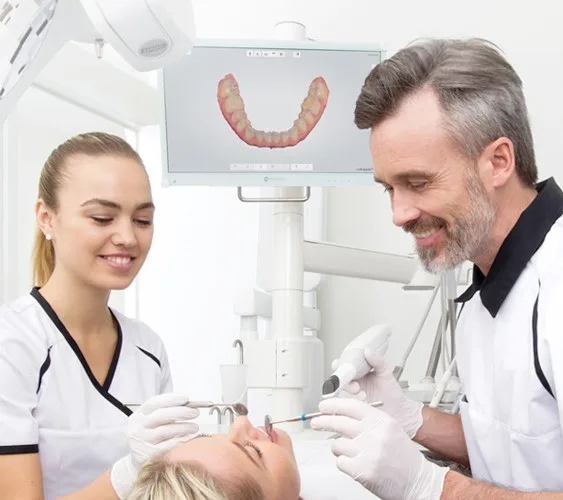
Start with your tooth, your questions and a clear explanation. Consultation photograph, not a treatment outcome.
Restore useful structureRebuild suitable damaged teeth and chewing surfaces
Preserve what is soundMatch the coverage to the tooth’s needs
Plan tooth by toothHealth, function and appearance considered together
Broader restorative coverage
A crown rebuilds around the tooth.
A full crown fits over a prepared natural tooth, covering its sides and biting surface. It can restore lost shape, support vulnerable remaining walls and help a suitable damaged tooth function again.
This is why crowns vs veneers is more than a choice about appearance. A tooth with extensive breakdown may need protection that a thin facing cannot provide.
A porcelain veneer is a thin ceramic facing bonded mainly to the front of a tooth; some designs include the biting edge. It can suit selected colour, shape, small chip or wear concerns.
The tooth should be sufficiently intact, with adequate enamel in the planned bonding area. A veneer does not provide the same coverage for weakened chewing surfaces or heavily compromised walls.
These simplified side views of a front tooth show the general coverage pattern. The tooth, preparation and final design vary between people.
Full crownThe blue area surrounds the prepared visible tooth and covers the biting edge. A sound remaining foundation is still essential.Porcelain veneerThe gold area illustrates a thin facing mainly on the front. The available enamel and biting contacts influence suitability.
Educational illustrations of coverage only, not to scale. They do not show a clinical result, a preparation measurement or every possible design.
Different coverage. Different starting points.
Crowns vs veneers: 7 helpful differences
This comparison is a guide to the discussion. The examination establishes whether either restoration—or a smaller repair—is appropriate for your own tooth. [1]
Crowns vs veneers at a glance. On a smaller screen, each difference appears as a separate card.
What matters
Full crown
Porcelain veneer
01Main purpose
CrownRebuild and protect a weakened, restorable tooth while restoring its shape and function.
VeneerChange a selected visible surface, including suitable colour, shape or limited chip and wear concerns.
02Area covered
CrownA full crown surrounds the prepared visible tooth and covers its biting or chewing surface.
VeneerA thin facing is bonded mainly to the front; some designs also include the biting edge.
03Starting tooth condition
CrownOften considered with substantial breakdown, large failing restorations or a need for broader protection.
VeneerUsually considered when the tooth is sufficiently intact and a surface restoration can meet the need.
04Enamel and support
CrownNeeds enough suitable remaining tooth and support for the proposed design. A build-up may be required.
VeneerAdequate enamel in the planned bonding area is a key advantage. Extensive dentine or old fillings make bonding more demanding.
05Tooth preparation
CrownGenerally more extensive than a veneer on an otherwise comparable tooth. The design follows the damage and material.
VeneerGenerally more limited, with preservation of enamel a priority. Preparation, when needed, is permanent.
06Large fillings or missing cusps
CrownCan rebuild the chewing surface and provide coverage where the remaining walls need protection.
VeneerA front surface facing alone may leave a weakened chewing surface or tooth walls insufficiently protected.
07Bite and ongoing care
CrownThe bite, remaining tooth, fit and material need review. Decay, chipping or other problems remain possible.
VeneerThe bite and bond need review. Chipping, debonding, decay or other problems remain possible.
The restorative value of a crown
Rebuild the parts your tooth relies on.
A crown can do more than change what you see. For an appropriate, restorable tooth, coverage can help rebuild the surfaces used for biting and protect remaining structure that would otherwise be vulnerable. [2]
Restore the chewing surface
Replace lost cusps and contours so the restoration fits the planned biting contacts. The aim is useful shape and function, with the whole bite considered.
Cover weakened walls
Broader coverage may help support remaining tooth where extensive damage or a failing large restoration makes another filling less suitable.
Keep a suitable natural tooth
A carefully chosen restoration can help retain a restorable tooth. Roots, gums, cracks and remaining support must still provide an appropriate foundation.
Protection still depends on the foundation.
A crown needs enough suitable remaining tooth and healthy support. It does not make an unrestorable tooth sound, heal a crack or prevent every future problem. We explain the outlook and alternatives before preparing the tooth.
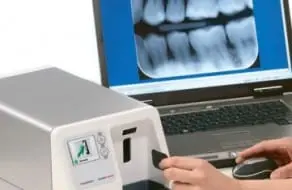
Close-up photographs can help explain which tooth surfaces are sound, restored or damaged. They complement the clinical examination.
The surface beneath a veneer matters
Good enamel helps a veneer bond well.
Enamel is the hard outer layer of your tooth. Porcelain veneers rely on an adhesive bond, so the amount, quality and position of enamel remaining after any preparation are central to planning.
Adequate enamel is a key part of predictable veneer bonding. When the planned surface is mostly dentine—the layer beneath enamel—or includes extensive old fillings, bonding is more demanding and the balance of options can change.
Dentine can be bonded. Its presence does not automatically rule out a veneer, but it deserves a considered discussion about design, technique, biting forces and the expected outlook.
Our crowns vs veneers assessment asks both questions: is there a suitable bonding surface, and does the rest of the tooth need more protection?
Put the comparison into context
Four teeth. Four different conversations.
These illustrative situations explain why crowns vs veneers recommendations vary. They are planning examples, not diagnoses or photographs of patient outcomes.
01 · A LARGE FILLING AND A BROKEN CUSP
Rebuild and protect the chewing tooth
A back tooth has a failing large filling and a missing chewing cusp. The question is how much sound tooth remains and which parts need coverage. A suitable crown, onlay or overlay may rebuild the lost area while protecting vulnerable structure.
A facing on the front would not address the main problem. A sound old filling does not need replacing simply because it is metal or has been present for years.
Root canal treatment manages the inside of the tooth. The final restoration needs to seal and protect what remains. Significant loss of side walls can make chewing-cusp coverage especially relevant.
A full crown is one option; partial coverage may suit some teeth. A root canal history alone does not mean every front or back tooth requires the same restoration. [4]
A tooth has a selected shape or shade concern, limited damage and suitable enamel. A veneer or composite bonding may address the area while preserving the rest of the tooth.
Whitening, orthodontics or no elective change may also be relevant. A healthy tooth should not automatically receive a full crown for a small cosmetic alteration.
Wear can involve different surfaces and layers of tooth. Acid erosion, grinding, existing restorations and available space influence the plan. Selected teeth may need composite additions, onlays, overlays or crowns.
A coordinated plan can combine different restorations and leave suitable teeth untouched. It also needs to address the causes and future protection.
Crowns vs veneers is a useful comparison, but sometimes neither is the most suitable starting point. An onlay can rebuild part of a tooth and cover one or more chewing cusps. An overlay covers the chewing surface more extensively.
Where the remaining walls are suitable, partial coverage may protect the areas that need it without preparing the whole circumference. Other teeth need broader coverage. Remaining tooth, cracks, material, bonding conditions and the bite guide that choice.
Ask: “Which parts of my tooth need protection, and why does this design suit them?” The goal is to preserve useful sound structure while providing the coverage the tooth needs.
X-rays are taken when clinically indicated to assess areas that a surface photograph cannot show. Not every crack is visible on an X-ray.
Appearance belongs in a restorative plan
Crowns vs veneers: function and visible detail.
A protective crown can also be carefully shaped and shaded to suit the surrounding teeth. Crowns vs veneers does not mean choosing between strength and appearance: each design needs the right foundation, sufficient material thickness and appropriate biting contacts.
Zirconia crowns
Zirconia is our most commonly selected crown material at Enhance Dental. Its strength can be useful in many restorative situations. Shade, thickness, translucency and the tooth’s loading all matter.
Selected translucent ceramics
Lithium disilicate, often called e.max, may suit selected teeth where translucency is a priority and the tooth and bite are appropriate. Material choice follows assessment.
A coordinated smile
A plan may combine crowns, selected veneers, bonding or no change on neighbouring teeth. Each tooth should have its own clinical reason, with shade and shape considered together.
Crowns vs veneers: understand your recommendation.
You do not need to choose crowns vs veneers before visiting. Describe the area that concerns you and what you would like to understand. We can explain the findings, suitable options and next steps.
Digital surface and bite records where appropriate.
01 · UNDERSTAND THE TOOTH
Examination and useful records
We assess tooth structure, fillings, gums, symptoms and how the teeth meet. Photographs, indicated X-rays and TRIOS scans can support the discussion. Records are selected for a clinical purpose.
Comfort is discussed before preparation.
02 · EXPLAIN THE PROPOSED WORK
Preparation, comfort and stages
Ask what would be removed or rebuilt, how local anaesthetic is used and whether a temporary restoration is needed. Let us know about dental anxiety or previous sensitivity so we can plan your care.
03 · REVIEW BEFORE PROCEEDING
A plan you can understand
Review the alternatives, expected benefits, limitations, material, visits and written quotation. Ask what could change once an old restoration is removed or the tooth is examined more closely.
For laboratory-made restorations, fitting includes checks of the margins, contacts, appearance and bite, followed by care advice and an appropriate review plan.
Crowns vs veneers: what if colour or position comes first?
If the tooth is largely sound, a surface alteration may not be the only way forward. We can discuss which concern you want to address and whether another approach would meet it.
Whitening changes natural tooth colour; it does not rebuild missing tooth.
Natural-tooth colour
Teeth whitening may suit some colour concerns. It does not lighten existing ceramic restorations or correct structural damage. Discuss the sequence before final shade selection.
Aligners move teeth and have their own assessment and retention needs.
Spacing, overlap or tooth position
Where alignment is the main concern, moving suitable teeth may reduce the need for restorative changes. Compare Invisalign vs veneers and ask whether alignment should be considered first.
Crowns vs veneers costs: compare the complete plan.
Crowns vs veneers fees reflect different clinical work. The quote should identify each tooth, the proposed restoration, laboratory and material requirements, and any separately needed care. A build-up, root canal treatment, gum care, diagnostic records or protective splint can change the total.
See our practice-approved porcelain veneer fee guide for veneer information. Crown fees require an individual quotation; a veneer price is not a substitute for costing a different restoration.
Daily care
Brush twice daily with fluoride toothpaste and clean between teeth. The natural tooth around or beneath a restoration can still develop decay, and gums need regular care.
Bite protection
Grinding or clenching may lead to advice about a custom protective splint. Appliance choice and reviews depend on the person and restoration.
Future maintenance
Chipping, loss of bonding or cementation, sensitivity, nerve problems or other changes can require review, repair or replacement. Neither option promises care without further treatment.
Ask whether the proposed treatment is eligible for the Enhance Dental seven-year guarantee. Its current maintenance requirements, exclusions and other terms apply.
Dr Joseph PainoDentist · General registration AHPRA DEN0000993654 B.D.Sc., University of Melbourne, 1988
Bring your questions about a damaged tooth, a recommendation you have received, or the difference between crowns vs veneers. We will connect the findings with the options suitable for your mouth.
Tell us what matters. Your symptoms, previous treatment, appearance priorities and budget.
Understand the assessment. Discuss the examination and records needed for a personal recommendation.
Review the plan. Consider suitable alternatives, preparation, risks, stages, fees and future care.
In online booking, choose “Consultation only”, or call our team to confirm the appropriate appointment and fee.
We welcome questions about why a particular restoration has been proposed. You can ask which sound tooth can be preserved, what needs protecting and whether another option is reasonable.
Enhance Dental · Level 2, Suite 219, 566 St Kilda Road, Melbourne VIC 3004.
Our independent Melbourne practice. Please mention pain or a recent fracture when arranging your visit.
Helpful answers before you decide
Crowns vs veneers: 18 common questions
Explore tooth condition, enamel, protection, preparation and costs. Open a question to read the answer.
Crowns vs veneers: which is right for a damaged tooth?
Start with how much sound tooth remains and which surfaces need rebuilding or protection. A crown can cover the biting surface and sides of a weakened, restorable tooth. A veneer is mainly a bonded surface restoration and may suit a sufficiently intact tooth with adequate enamel. A filling, onlay or overlay may also be appropriate. The examination should explain why the proposed coverage matches the actual damage.
Why might a crown be recommended instead of a veneer?
A tooth may have a large failing filling, missing chewing cusps, extensive wear or damage on several surfaces. Covering the front alone may not protect the vulnerable parts. A suitable crown can rebuild the shape and biting surface while covering the remaining tooth. Ask which findings justify a full crown, whether partial coverage could work, and what sound tooth must be prepared.
Why is enamel important for porcelain veneer bonding?
Enamel is the hard outer layer of the tooth and provides a favourable surface for bonding ceramic veneers. The amount, quality and distribution of enamel remaining after any preparation matter. Dentine and existing fillings can be bonded, but extensive exposure changes the technique and outlook. Preserving adequate enamel supports a more predictable veneer plan; a photograph alone cannot establish that suitability.
Can I have a veneer if my tooth has little enamel?
That needs careful assessment rather than an automatic yes or no. Bonding to dentine is possible, but the extent of dentine exposure, existing fillings, preparation margins, moisture control and bite affect the plan. A veneer may be less suitable when little useful enamel remains or the tooth needs broader structural protection. A different restoration may be recommended, with its preparation, risks and alternatives explained.
Are veneers only for cosmetic treatment?
Veneers commonly address visible colour or shape concerns, and can restore selected limited chips or wear. They are not a substitute for diagnosing decay, cracks or bite problems. A surface facing may be appropriate when the rest of the tooth remains sufficiently sound; extensive loss of structure may call for a filling, partial-coverage restoration or crown. The distinction is the tooth’s needs and suitable coverage, rather than appearance alone.
Does every root canal treated tooth need a crown?
No. Remaining structure, tooth position, cracks and biting forces guide the recommendation. Many root-filled back teeth with significant loss of a side wall benefit from coverage of the chewing cusps, provided by an appropriate crown, onlay or overlay. A relatively intact front tooth may have different needs. Ask about the definitive restoration and timing as part of the root canal plan, rather than choosing from the root canal history alone.
Can a crown save a cracked tooth?
A crown or other suitable cuspal-coverage restoration can help protect some restorable cracked teeth. It does not heal a crack or guarantee that it will stop progressing. Symptoms, the type and extent of the crack, nerve health and supporting tissues affect the outlook. Some teeth need root canal treatment or specialist advice, and some cannot be predictably retained. Pain on biting or a new fracture deserves assessment.
Can I replace a large filling with a veneer?
A veneer mainly changes the front surface and may not address what has weakened a heavily filled tooth. The size and position of the filling, sound walls, cracks, decay and biting contacts should be checked first. A new filling, onlay, overlay or crown may provide more suitable coverage. A sound filling does not need replacement simply because it is large, old or made of metal.
Is an onlay a crown or a veneer?
An onlay is a partial-coverage restoration used to rebuild part of a tooth and cover one or more chewing cusps. An overlay covers the chewing surface more extensively. Unlike a full crown, these do not necessarily surround the whole visible tooth. They can preserve suitable sound walls, but need a design, material and bonding or cementation approach that fit the remaining tooth and bite.
Which removes more tooth: crowns or veneers?
A full crown generally involves more preparation than a veneer on an otherwise comparable tooth, because it covers more surfaces. Actual preparation depends on existing damage, old restorations, position, material and the space needed. Neither should be selected from a fixed millimetre rule online. Ask to see which areas need changing, what enamel can be preserved and whether a smaller restoration could meet the clinical need.
Can crowns look natural on front teeth?
A crown can be designed with attention to shape, shade, surface texture and how it meets the gum. The underlying tooth colour, gum level, surrounding teeth and biting space influence the result. At Enhance Dental, zirconia is commonly selected; lithium disilicate such as e.max may be considered for suitable teeth when translucency is a priority. The material and preparation should suit both the tooth’s restorative needs and the intended appearance.
Can I have a mixture of crowns and veneers?
Yes, where each restoration has a clinical reason. One tooth may need broader protection while a neighbour has enough sound structure and enamel for a veneer, bonding or no restoration. Shade and shape can be coordinated, but that does not mean every visible tooth needs the same treatment. Ask for a tooth-by-tooth explanation and a quote identifying the work proposed for each tooth.
Are crowns or veneers better if I grind my teeth?
Grinding and clenching affect the planning of both. We assess wear, symptoms, biting contacts, space and the remaining tooth before discussing a restoration or material. A crown is not automatically required solely because you grind, and a veneer may be unsuitable under some loading conditions. A prescribed protective splint and ongoing reviews may be part of care. No material or splint removes every risk of fracture or wear.
How long do crowns vs veneers last?
Both may remain in use for many years, but neither has a guaranteed lifespan. The supporting tooth, design, material, bite, bonding or cementation, home care and reviews all matter. Studies of different restorations use different patients and definitions, so their percentages are not a fair head-to-head ranking. Ask what may require maintenance, repair or replacement and how your own risk factors affect the outlook.
How do crowns vs veneers costs compare?
The fee depends on the restoration actually needed, its material and laboratory work, and any preliminary care. A build-up, root canal treatment, gum care, diagnostic records or protective appliance may be separately required. Ask for an itemised written quote covering the complete plan. The linked Enhance Dental veneer cost guide explains approved porcelain veneer fees; it does not establish the fee for a crown or a more complex restoration.
Will a crown or veneer hurt?
We discuss local anaesthetic and comfort before preparation. At Enhance Dental this may include numbing cream and CALAJECT controlled local anaesthetic delivery. Tell us about dental anxiety or previous difficulty getting numb. Temporary sensitivity or gum tenderness can occur after treatment; persistent pain, pain on biting, swelling or a loose restoration should be assessed. The team can explain what to expect and whom to contact.
Can crowns or veneers be whitened later?
Whitening does not predictably lighten existing ceramic crowns or veneers. If natural-tooth whitening is being considered, discuss it before selecting the final restoration shade. The timing, suitability and surrounding teeth need planning. Surface stain may need professional attention, while a change to the colour of a ceramic restoration may require replacement. Avoid assuming that future whitening will make all materials match.
How do I book a dental assessment in Melbourne?
Use the Book a dental assessment link and choose Consultation only in online booking, or call Enhance Dental on (03) 9533 8488 for help selecting the appointment. Explain the tooth or concern, any pain and previous advice. The team will confirm appointment fees and any records needed. An examination, indicated imaging and further planning may involve separate appointments or fees before a definitive recommendation is made.
Your tooth. A clear reason for the recommendation.
Let’s plan the right level of restoration.
Explore crowns vs veneers with Dr Joseph Paino at Enhance Dental. Understand what can be preserved, what needs rebuilding and how the proposed restoration supports your tooth.
Choose “Consultation only” in online booking, or speak with our team for help selecting the appointment. The team will confirm assessment fees and any records needed.
To provide the best experiences, we use technologies like cookies to store and/or access device information. Consenting to these technologies will allow us to process data such as browsing behavior or unique IDs on this site. Not consenting or withdrawing consent, may adversely affect certain features and functions.
Functional
Always active
The technical storage or access is strictly necessary for the legitimate purpose of enabling the use of a specific service explicitly requested by the subscriber or user, or for the sole purpose of carrying out the transmission of a communication over an electronic communications network.
Preferences
The technical storage or access is necessary for the legitimate purpose of storing preferences that are not requested by the subscriber or user.
Statistics
The technical storage or access that is used exclusively for statistical purposes.The technical storage or access that is used exclusively for anonymous statistical purposes. Without a subpoena, voluntary compliance on the part of your Internet Service Provider, or additional records from a third party, information stored or retrieved for this purpose alone cannot usually be used to identify you.
Marketing
The technical storage or access is required to create user profiles to send advertising, or to track the user on a website or across several websites for similar marketing purposes.