
Compare your options · Melbourne
Two materials.
One personal plan.
Comparing porcelain vs composite veneers? Explore appearance, preparation, costs and care—with a plan shaped around your teeth and what matters to you.
Free initial discussion. Further examinations, records and treatment may involve fees. What does the consultation include?

Personal planningWith Dr Joseph Paino
Australian-made porcelainIndividually planned ceramics
Time to understandYour options, care and costs
A clear starting point
Porcelain vs composite veneers: 7 essential differences
Porcelain is made as a ceramic covering outside the mouth. Direct composite is shaped onto the tooth by your dentist. Both can change selected visible surfaces; the right approach depends on the teeth underneath, your bite and your expectations.
Individually made in a laboratory
Discuss shade, surface detail and a finish planned to blend with the rest of your smile.
Sculpted directly by your dentist
Discuss a flexible, often lower-cost option for appropriate changes to tooth shape and colour.
| What matters | Porcelain veneers | Composite veneers |
|---|---|---|
| 01How they are made | A thin ceramic covering, individually made in a dental laboratory and bonded to the tooth. | Tooth-coloured resin layered, shaped and polished directly by your dentist. |
| 02Appearance & finish | Offers fine control of shape, translucency and surface finish; generally resists staining well. | Can create natural-looking changes, with the colour and contours sculpted during placement. |
| 03Tooth preparation | The space needed for the proposed ceramic and your starting teeth guide any preparation. | An additive approach may be possible. Tooth reshaping can still be needed in some cases. |
| 04Appointments | Usually separate preparation and fitting visits, with planning and laboratory time between stages. | Placement can often be completed in one visit; assessment, whitening and reviews may add visits. |
| 05Initial cost | Usually a higher initial fee, reflecting the planning, laboratory work and fitting involved. | Usually a lower initial fee. The number of teeth and complexity of the work still matter. |
| 06Ongoing maintenance | Generally retains its gloss and colour well. Reviews, cleaning and protection remain important. | May need more polishing or maintenance as the surface wears, roughens or picks up stain. |
| 07Repair & replacement | Some damage can be repaired; a significant chip, fracture or other problem may need replacement. | Often suited to a local repair or addition. Repeated damage needs the underlying cause assessed. |
This overview compares typical approaches. A personal assessment may change the recommendation, preparation, appointment sequence and maintenance plan. See the patient information and research behind this guide.
An Enhance Dental treatment example
Whitening first. Four selected porcelain veneers.
Porcelain + whitening
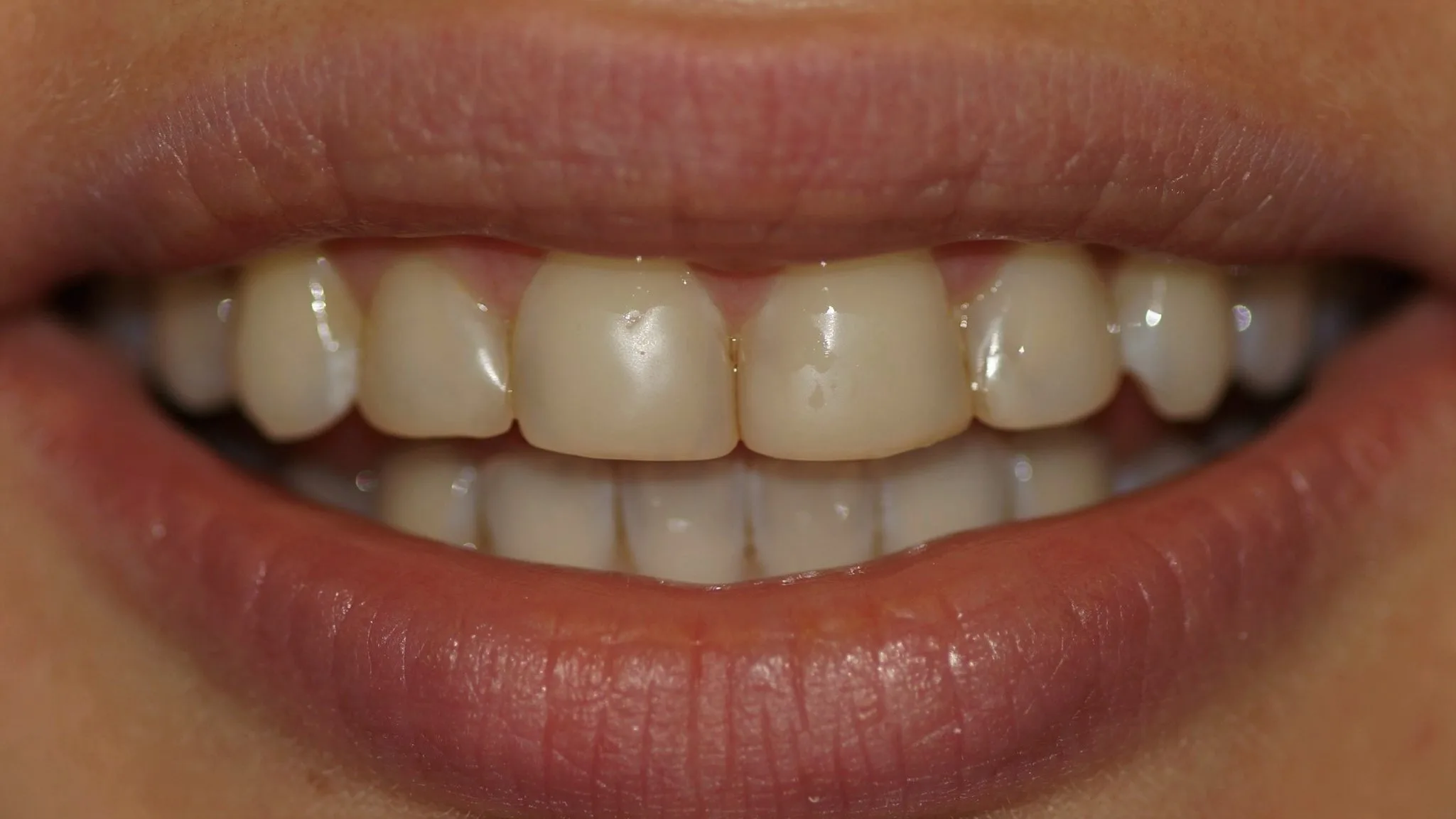
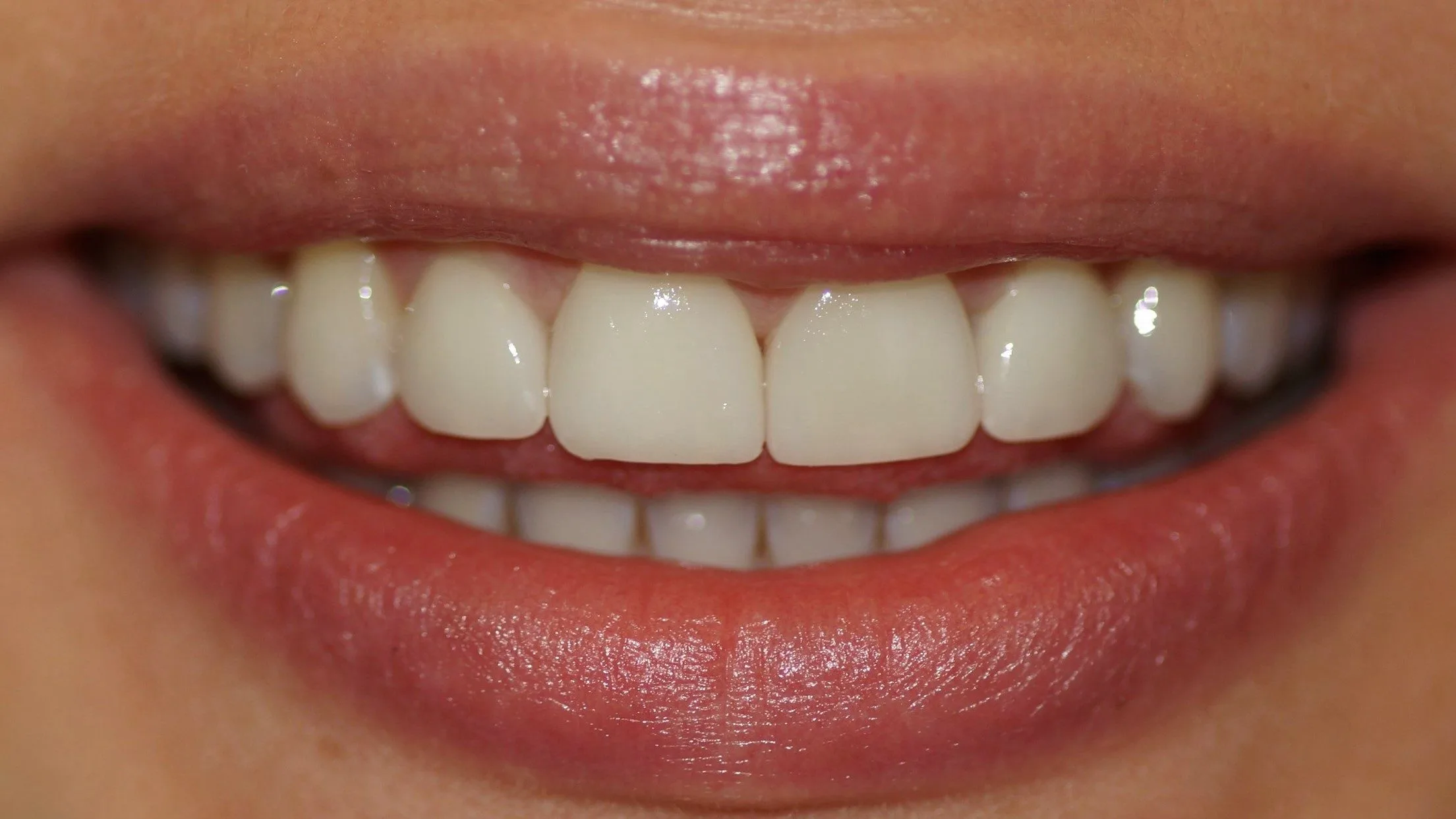
This patient had whitening followed by four upper-front porcelain veneers. The example shows a combined plan for natural-tooth colour and selected tooth surfaces.
Both treatments contributed to this individual result. Your own number, shade and treatment sequence follow an assessment. Learn About Porcelain Veneers
A different material, a personal plan
Composite veneers, shaped around the details.
With direct resin, your dentist builds and finishes the material on your teeth. Colour blending, contours, edge shape and the way your teeth meet all form part of the discussion.
In a porcelain vs composite veneers decision, distinguish a small bonding repair from a veneer across more of the tooth. The scope of the work affects your choices and the quotation.
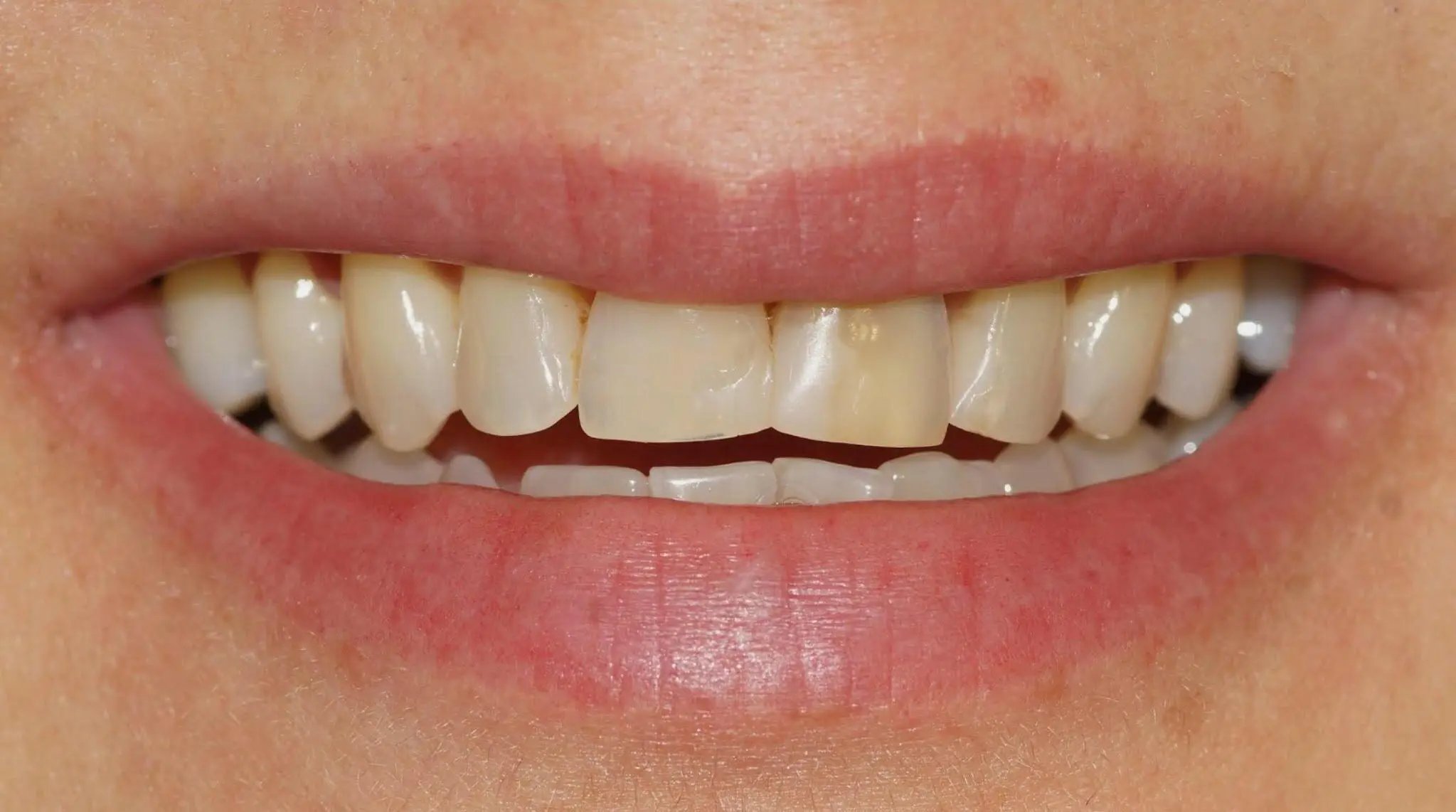
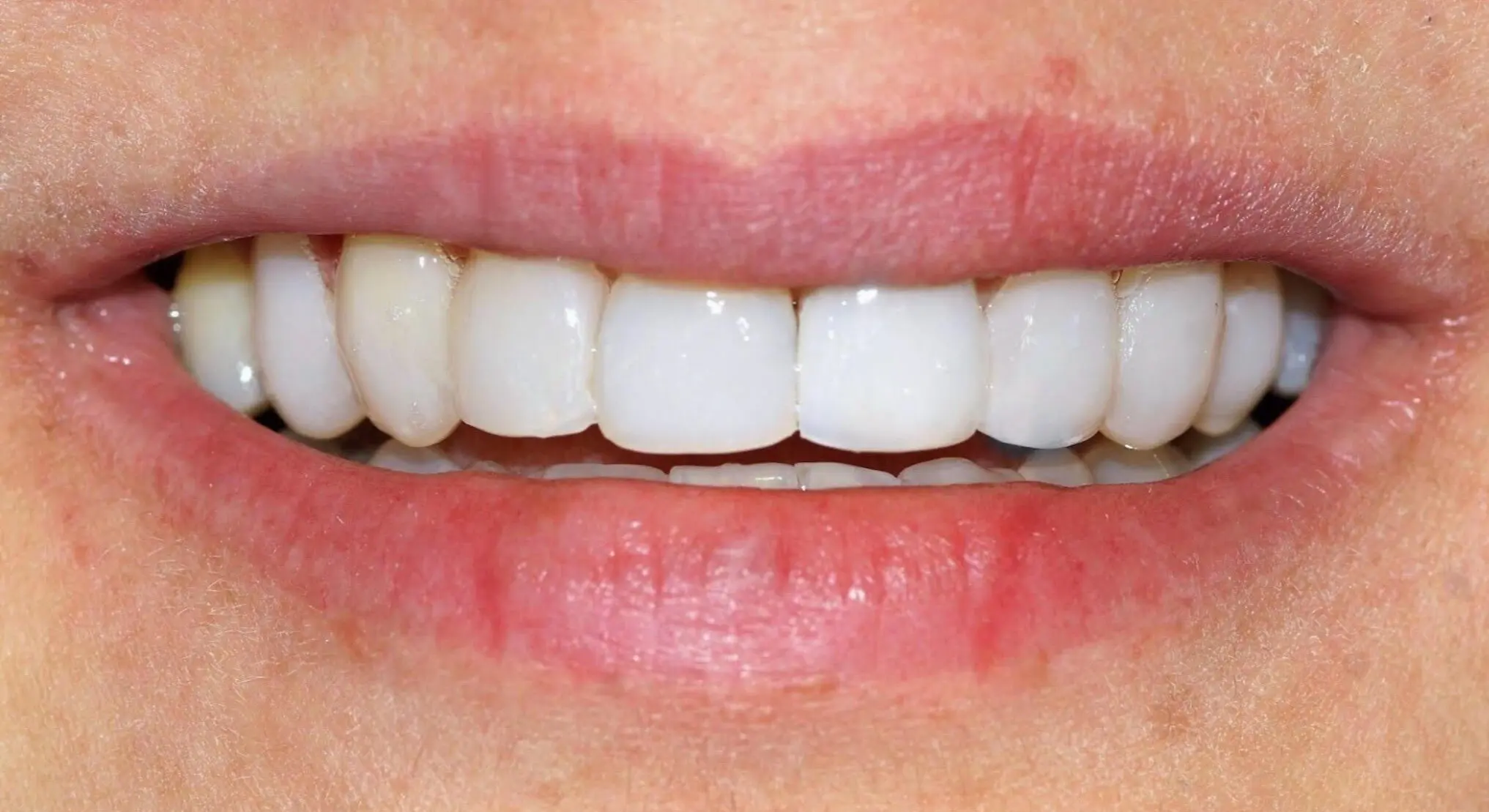
Actual Enhance Dental case: whitening followed by resin veneers on eight upper front teeth. This is a combined-treatment result, with an individual outcome. Read about composite bonding and resin veneers →
The porcelain and composite examples feature different patients and treatment plans. They illustrate individual care, rather than a controlled comparison between materials. Photographic angle, lighting and tooth position can also affect comparisons.

A thoughtful approach to your teeth
Your own tooth structure deserves a clear plan.
Ask what would be added, what would be shaped and why. Your starting alignment, available enamel, existing fillings and intended result guide the space needed for each material.
Little or no preparation is possible in selected additive cases. Any enamel that is removed is permanent, so the proposed preparation and alternatives should be clear before treatment.
Healthy teeth and gums provide the foundation. Decay, gum inflammation or ongoing wear may need attention first. Sensitivity, chipping, debonding and future repair or replacement are among the issues to discuss.
One patient, a staged approach
Alignment first. Then a fresh look at shape.
Invisalign + porcelain
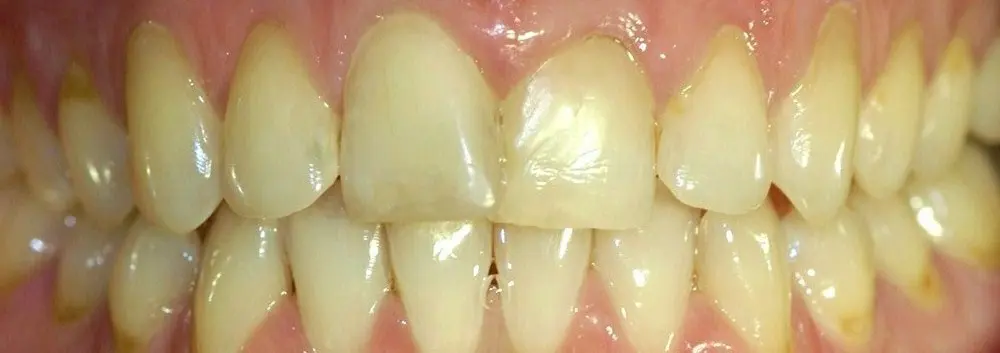
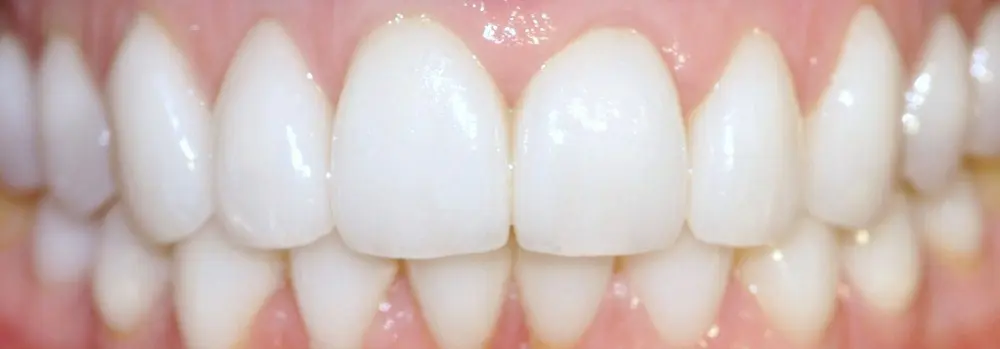
In this existing Enhance Dental case, Invisalign was followed by porcelain veneers. Alignment and restoration had different roles in the plan. The photographs show the combined course of treatment.
If tooth position and shape both matter to you, explore our Invisalign vs veneers guide for alignment, restorations and staged treatment.
Individual results vary. Your assessment helps clarify whether alignment, veneers, another option or a combination is appropriate. Learn About Porcelain Veneers
Clarity before commitment
Compare the complete plan, including future care.
For porcelain vs composite veneers, the initial fee is one part of the decision. Discuss the treatment scope, appointment stages and maintenance you should allow for.
Understand the initial treatment
Composite usually has a lower initial cost. Porcelain generally involves additional laboratory work and fitting stages. Neither has one fee that suits every mouth.
Your quotation should reflect the actual teeth, surfaces, shade work and any care needed first. Ask for an itemised written plan, with inclusions and additional charges clearly identified.
Useful questions for your quote
- Which teeth and surfaces are being treated?
- Are examinations, records and preliminary care included?
- Does the fee include any temporary restorations and planned reviews?
- How are future polishing, repairs or replacement handled?
The initial cosmetic discussion is free. Further assessment, records and treatment may involve fees, which should be explained before you proceed.
Care beyond fitting day
Make ongoing care part of the choice.
Porcelain vs composite veneers is also a maintenance conversation. Your natural teeth remain part of the picture, and both materials benefit from a realistic care plan.
Keep the margins clean
Brush twice daily with fluoride toothpaste and clean between teeth each day. Ask for cleaning advice specific to your restorations.
Look after the bite
Avoid biting hard objects. Tell us about clenching or grinding and discuss a protective appliance if recommended.
Review the details
Attend the reviews advised for you. Report a rough edge, chip, changed bite or ongoing sensitivity so it can be assessed.
A little preparation, a useful conversation
Make your comparison personal.
A few notes can help us focus the conversation on the details that matter to you. Keep this checklist handy when preparing for your first visit.
Your preferred look
Describe what you would like to change about colour, edges, proportions or spacing. Bring a photograph if it helps explain your preferences. Point out the features you already like, too, so they stay part of the discussion.
Your care preferences
Write down questions about cleaning, coffee, polishing, repairs or your bite. If you have had bonding, veneers or orthodontic treatment before, tell us what worked well and what you would like to understand before making another decision.
Your timing & budget
Mention an upcoming event, preferred appointment timing and the budget you would like to discuss. Ask for the proposed stages in writing, including preliminary care and future maintenance, so you have something useful to consider after your consultation.

University of Melbourne graduate, 1988
Your consultation at Enhance Dental
Your questions. Your pace. Your next step.
Bring a photograph, a particular concern or simply an idea of what you would like to change. We help you explore porcelain vs composite veneers in the context of your own smile.
- Share your priorities. Tell us what you like already, what concerns you and any timing or budget questions.
- Compare suitable options. Discuss materials, preparation, alternatives and the assessment or records that may be needed.
- Understand the next stage. Review the proposed steps and applicable fees before choosing whether to proceed.
In online booking, select “FREE Invisalign or Cosmetic Consultation”.
Book a free cosmetic consultation
An initial discussion is distinct from a complete examination or definitive treatment plan. Read about the free cosmetic consultation →
Helpful answers before you decide
Porcelain vs composite veneers: your questions
Which looks more natural: porcelain or composite veneers?
Both materials can create a natural-looking appearance in suitable cases. Shape, shade, texture, tooth position and the way the result sits beside your other teeth all matter. Porcelain offers a laboratory-made ceramic surface; composite is sculpted directly. Bring photographs of details you like, and ask what is realistic for your own starting teeth.
Are composite veneers the same as composite bonding?
They use the same family of tooth-coloured resin, but the area treated can differ. A small bonding repair might refine one chipped edge. A composite veneer covers more of the visible front surface. Ask which teeth and surfaces are included in your proposed treatment so that you can compare plans and fees meaningfully.
Do porcelain vs composite veneers require tooth preparation?
The preparation depends on your tooth position, existing fillings, the intended shape and the room needed for the material. Some additive composite cases need little or no enamel removal; other composite or porcelain cases need reshaping. Enamel that is removed does not grow back. Ask Dr Paino to explain the proposed preparation tooth by tooth, along with suitable alternatives.
How long do porcelain vs composite veneers last?
Neither material has a fixed expiry date. Longer-term research has found better overall longevity for ceramic than direct composite veneers, while repairs and maintenance can help extend the use of suitable restorations. Your tooth condition, bite, grinding, home care and review arrangements all influence the outlook. Published study results cannot predict how long your own veneers will last.
Can I have just one or two veneers?
Yes, a plan may involve one tooth or a small number of teeth where appropriate. Matching an individual tooth with its neighbours can require careful shade and shape work. Your visible smile, existing restorations and bite guide the number proposed. A larger set is not automatically needed to make a useful change.
Can I change from composite to porcelain veneers later?
It may be possible, following a fresh assessment of the tooth structure, existing resin, bite and goals. Removal of the old material and any further preparation need consideration. Discuss this possibility when making the first plan; later treatment is a separate decision with its own fees and maintenance needs.
Should I whiten my teeth before choosing veneers?
Where whitening is suitable and part of your goals, it may be planned before the final veneer shade is selected. Natural teeth and existing restorations respond differently: whitening does not lighten porcelain or composite in the same way as natural enamel. Your dentist will advise on the sequence and the interval needed before shade selection and bonding.
What are the risks I should understand?
Possible issues include sensitivity, chipping, fracture, debonding, changes in colour match and gum irritation. The natural tooth can still develop decay. Any enamel removal is irreversible, and future repair or replacement may be needed. Your individual risks, alternatives and expected maintenance should be discussed before you agree to treatment.
What if I clench or grind my teeth?
Tell us before choosing veneers. Your bite and the pattern of wear help guide whether restorative treatment is appropriate, whether other care is needed first and whether a protective appliance is advised. A splint can be part of an individual plan, but it does not remove every risk of damage.
What about comfort during porcelain vs composite veneers treatment?
Comfort is part of the planning discussion. The amount of preparation, existing sensitivity and other dental work influence what you may feel and whether local anaesthetic is appropriate. Let us know about previous experiences or dental anxiety so the appointments can be planned at a manageable pace. Temporary sensitivity can occur, and ongoing discomfort should be assessed. Ask what to expect at each stage, including any temporary restorations, rather than assuming every veneer appointment involves the same steps.
Can veneers be used for crooked teeth or gaps?
Veneers may change the visible shape of selected teeth or close suitable small spaces. They do not move tooth roots or correct an underlying bite problem. Comparing porcelain vs composite veneers should include whether alignment would be a useful first step. Adding material to a crowded or prominent tooth can create a different shape from the one you had in mind. We assess the available space, proportions and bite, then explain whether orthodontics, a small addition or another approach deserves consideration.
What is the difference between veneers and crowns?
A veneer changes mainly the front surface of a tooth. A crown covers more of the remaining tooth and may be considered for a different structural problem. The porcelain vs composite veneers choice starts with checking that a veneer is an appropriate restoration at all. Large fillings, cracks, decay or substantial loss of tooth structure can change that conversation. Ask which parts of the tooth are sound, what would need preparation and why the proposed restoration fits those findings. A particular appearance alone does not determine the restoration.
Can I still have tea or coffee with veneers?
Discuss your usual habits when choosing a material. Tea, coffee, red wine and tobacco can contribute to surface staining, with composite generally more prone to changes in polish and colour. This does not mean every person develops the same staining or needs the same maintenance. Cleaning advice and reviews should suit your mouth and restorations. If you notice a colour change, ask whether it is a surface stain, a change in the material or an issue around the margin before choosing a remedy.
How is the colour chosen, and can it be changed later?
Shade planning considers your other teeth, the teeth visible when you talk and smile, and the degree of change you would like. Where whitening is suitable, its timing needs to be planned before the final shade is agreed. Once bonded, a veneer cannot simply be bleached to a new shade like natural enamel. Altering the colour later may involve polishing, changing composite or replacing a restoration, depending on the issue. Take time to discuss the proposed shade and how it relates to the rest of your smile.
What should I do if a veneer feels loose or my bite changes?
Contact the practice for an assessment if a veneer moves, an edge chips, floss starts catching or your bite feels different. A small problem and its cause are best considered together before deciding on polishing, repair or replacement. Avoid trying to glue a veneer back yourself or continuing to bite hard on a loose restoration. Tell us about pain, swelling or significant sensitivity when you call so we can advise on the appropriate next appointment. Your usual cleaning and review advice still applies to the supporting tooth.
What does the free cosmetic consultation include?
It is an initial, no-obligation discussion with Dr Joseph Paino about your goals, possible options and next steps. It does not automatically include a complete examination, X-rays, scans, diagnostic records or treatment. Further assessment may be needed for a definitive recommendation, and any applicable fees should be explained separately. In online booking, choose “FREE Invisalign or Cosmetic Consultation”.
Let’s talk about your smile
A clear conversation can be a lovely place to start.
Explore your options with Dr Joseph Paino at Enhance Dental on St Kilda Road. Bring your questions about porcelain vs composite veneers, and take the next step with a clearer understanding of your choices.
Choose “FREE Invisalign or Cosmetic Consultation” in online booking.
Free initial discussion; further examination, records and treatment may involve fees.
Level 2, Suite 219, 566 St Kilda Road, Melbourne VIC 3004
Contact, directions and parking →
This information supports a personal discussion and does not establish suitability. All treatment has risks and limitations; individual results vary. Photographs show specific patients and do not predict another person’s outcome. Any surgical or invasive procedure carries risks; before proceeding, seek a second opinion from an appropriately qualified health practitioner. © Enhance Dental.