
Enhance Dental · St Kilda Road, Melbourne
A brighter smile, thoughtfully planned around you
Considering teeth whitening in Melbourne? Let’s start with what matters to you: a brighter shade, comfortable care and a result that blends naturally with your smile.
At Enhance Dental, we look at your teeth and gums together. Whether teeth whitening is your only treatment or a first step before crowns, veneers or bonding, we help you understand the options and plan the order of care.
Level 2, Suite 219, 566 St Kilda Road, Melbourne VIC 3004 · Welcoming patients from South Yarra, Toorak, Prahran and nearby suburbs. Treatment is subject to individual assessment.
Your colour. Your choice.
Teeth whitening can be a simple place to start
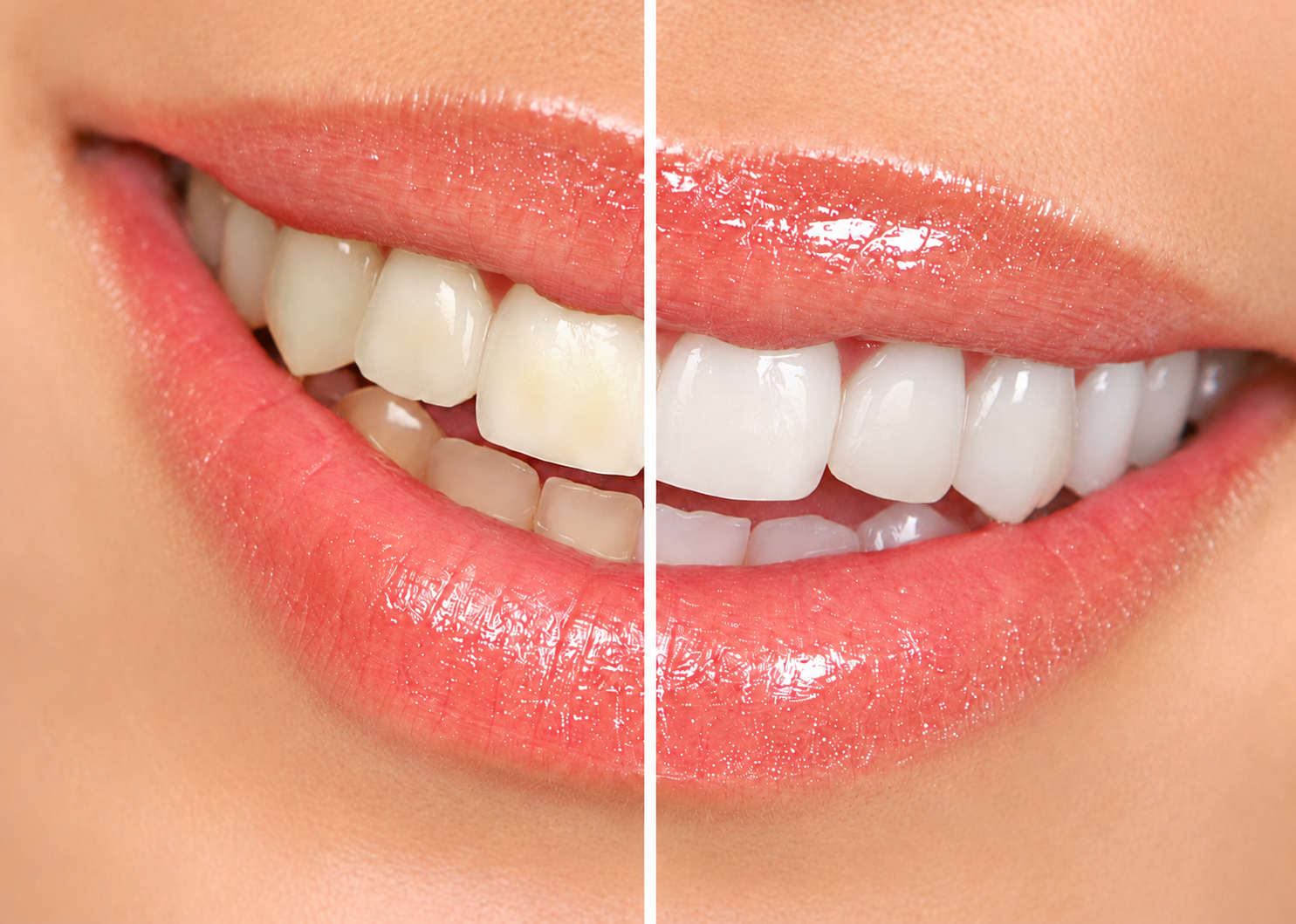
Perhaps you would like to lift everyday discolouration, refresh your smile for an occasion, or explore a brighter overall shade before other dental treatment. Teeth whitening can lighten suitable natural teeth without preparing them for a veneer or crown. Sometimes a clean alone provides a welcome improvement; sometimes whitening is the next step. There is no obligation to change a healthy natural tooth colour.
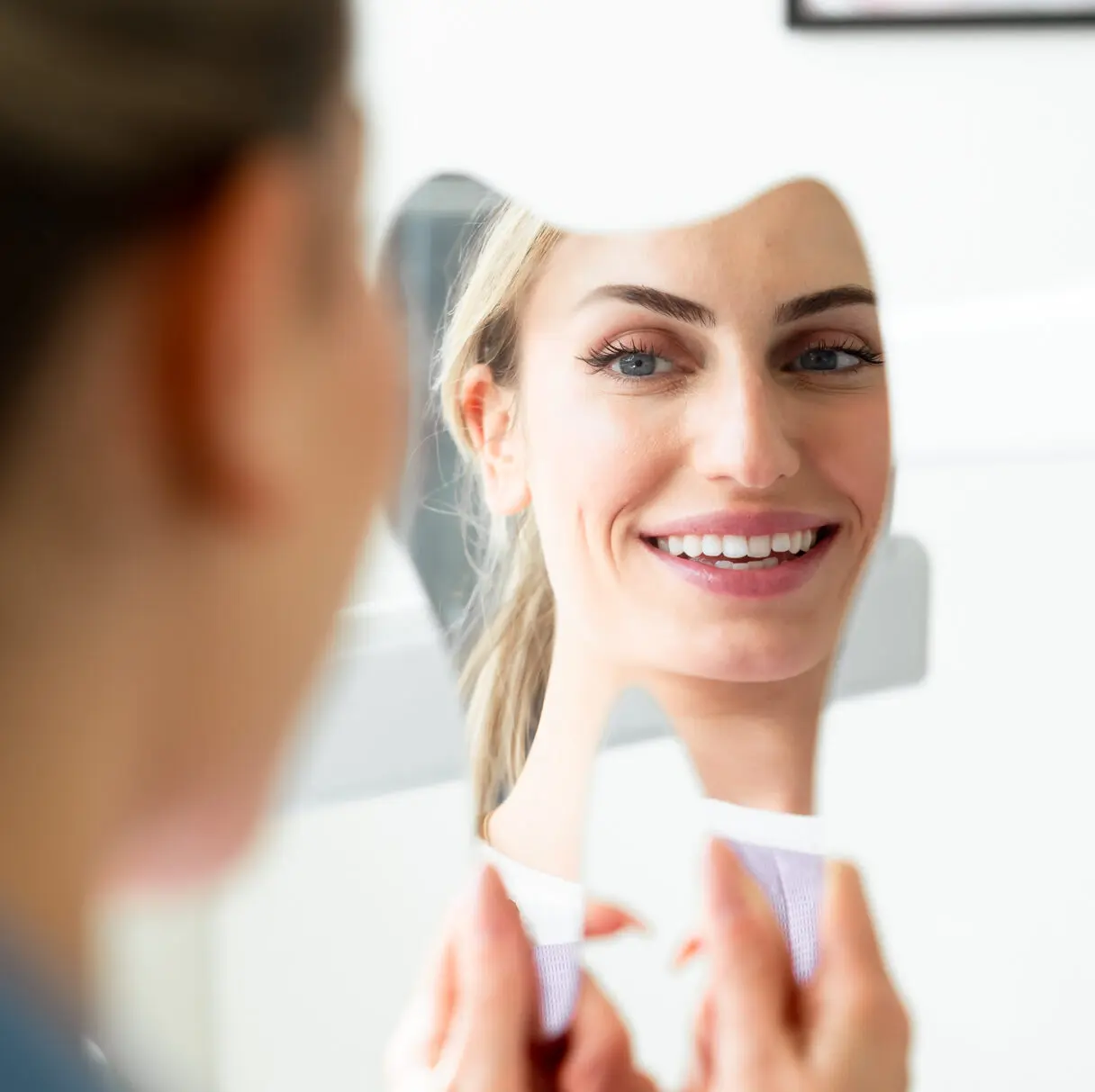
Start with oral health
A careful assessment helps us plan around your gum health, existing dental work and comfort.
Think about the whole smile
Upper, lower and side teeth all contribute to the colour you see when speaking and smiling.
Choose a realistic shade
We discuss what may be achievable for your teeth, with natural variation and your preferences in mind.
A thoughtful first appointment
Healthy teeth and gums are the foundation
Teeth whitening is cosmetic care. It does not treat decay or gum disease, and a lighter colour is not a measure of dental health. Before whitening, we assess any redness, swelling, bleeding, gum inflammation, tooth sensitivity and existing restorations. Where necessary, we address these concerns first.
- A thorough check-up and clean: we assess teeth, gums and oral tissues, and remove deposits and surface stains where needed.
- Dental care when needed: decay, cracks, defective fillings or other findings may need treatment before teeth whitening. Urgent or essential care is not delayed for a cosmetic shade change.
- Digital radiographs when clinically indicated: we explain what an image will help assess and seek your consent. With your informed, signed consent, we can request relevant recent images from another practice.
- A shared plan: we discuss likely shade response, sensitivity, alternatives, fees and any future restorative work before you choose treatment.
Recent X-rays, often taken within the last one to two years, may help inform assessment. Whether they are adequate depends on their quality, what they show and your current risk—not a blanket expiry date. New images are taken only when justified. [7,8]
Colour first, when appropriate
Whitening before veneers, crowns or bonding
If you are considering Learn About Porcelain Veneers, Explore Porcelain Crowns or bonding for your upper front teeth, it is helpful to plan the surrounding natural teeth too. Your lower teeth and the teeth towards the sides of your smile may be visible when you talk or laugh.
For example: if you want brighter lower and side teeth as well as new upper front veneers, we may whiten the suitable natural teeth first. Once that shade has settled, we can select a colour for the new upper restorations that blends with the rest of your smile.
Crowns, veneers and tooth-coloured fillings do not whiten in the same way as natural teeth. Discussing the sequence early helps avoid choosing a restoration shade before the surrounding colour has been considered. [2,6]
Your plan in 5 steps
- 1UnderstandDiscuss your goals and assess teeth and gums.
- 2PrepareComplete necessary gum care, cleaning or dental treatment.
- 3BrightenWhiten suitable natural teeth if you choose to proceed.
- 4Let it settleReview comfort and allow time after teeth whitening before final shade selection or bonding.
- 5BlendMatch any planned restorations to the agreed, settled colour.
This is an example of treatment planning, not a requirement to whiten every tooth or have additional cosmetic work. We tailor the sequence to your clinical needs and preferences. Where adhesive treatment is planned, an interval of around two weeks after teeth whitening is often considered, and sometimes longer; your dentist will advise. [6]
Dentist-supervised choices
Professional teeth whitening options in Melbourne
Philips Zoom in-chair whitening
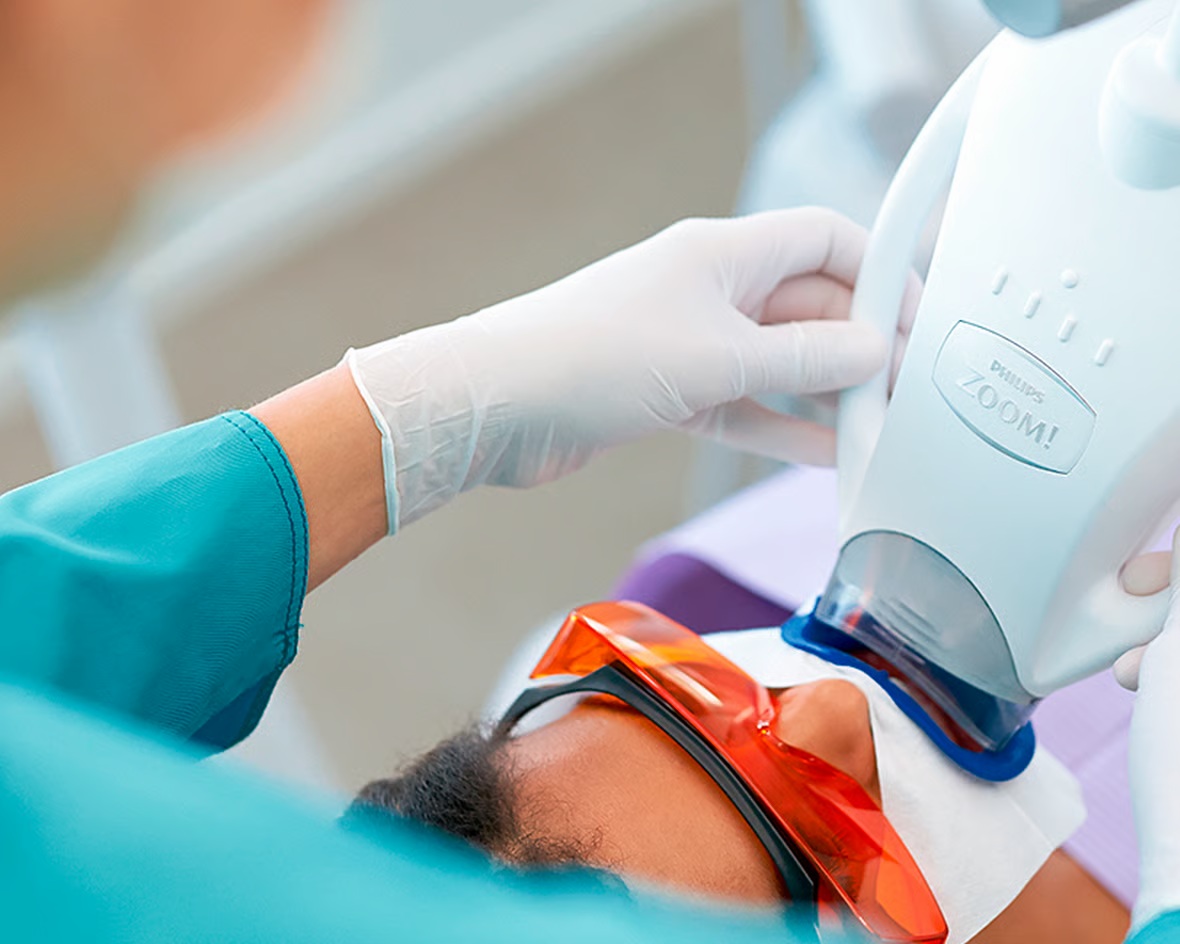
Treatment takes place at the practice with soft-tissue protection and monitoring. Philips Zoom WhiteSpeed uses peroxide gel with an LED light. The number and length of applications depend on your suitability, comfort and the product protocol.
It offers an in-practice option for people who prefer supervised appointments. With teeth whitening, we do not promise a fixed number of shades or a particular result.
Custom take-home trays
Custom-fitted trays and prescribed gel allow whitening at home under our guidance. We show you how much gel to use and explain the schedule for your specific product.
A gradual approach can offer flexibility around your routine. Teeth whitening review appointments help us assess the response and adjust the plan if needed.
A plan that fits your smile
Some people benefit from a tailored combination or an individually advised maintenance plan. Others prefer a clean alone or to keep their current shade.
During your teeth whitening assessment, we discuss what each approach can and cannot do, your existing dental work, sensitivity, timing and current fees before you decide.
Both in-chair and supervised take-home approaches can whiten suitable teeth. Evidence does not show one universally superior approach, and light activation does not consistently improve final colour change. [3–5]


Comfort matters
Temporary sensitivity: how we help
Some people experience temporary sensitivity during or after teeth whitening. Tell us if cold drinks already bother you, or if you have a particular tooth that is uncomfortable, so we can assess it first.
Before you start
We check sensitivity, exposed roots, cracks, decay and the condition of restorations, then select a suitable protocol.
During treatment
We monitor comfort or guide your home schedule. Shorter wear times, rest days or a change of protocol may be appropriate.
Support at home
A suitable desensitising toothpaste or gel may help. Pause treatment and contact us if discomfort develops; persistent or severe pain needs assessment.
Sensitivity management is individual. Desensitising agents may offer modest benefit and do not eliminate sensitivity for everyone. Gum irritation is also possible. We explain these risks and how to respond before treatment. [2,9]

We are here to help
Let’s talk about your whitening goals
Not sure which appointment to choose? Brigitte and our team can help you arrange an assessment. Mention any upcoming event, existing crowns or veneers, or plans for upper front teeth so we can allow time to discuss the whole picture.
Our St Kilda Road practice welcomes people seeking teeth whitening near South Yarra, Toorak, Prahran, St Kilda and South Melbourne. View our location and directions or send us a message. For current teeth whitening fees and appointment availability, please call the team.
Clear answers before you decide
Teeth whitening FAQs
Explore 30 common questions about suitability, shade matching, sensitivity, cost and aftercare. Open any question below to read more.
Getting ready
How does teeth whitening work?
Peroxide-based whitening gel breaks down coloured compounds within natural teeth. A professional clean removes surface deposits and stains; bleaching changes the underlying tooth colour. Your dentist checks the cause of discolouration first, because different causes respond differently. Whitening changes colour rather than tooth shape, alignment or existing restorations. [1,2]
Am I suitable for professional teeth whitening?
Suitability depends on your teeth, gums, existing dental work, sensitivity and expectations. We examine your mouth and discuss your medical and dental history before recommending treatment. Whitening is optional: keeping your natural shade or having a clean alone may be a suitable choice. We explain likely benefits, limitations, alternatives and fees before you decide. [1,2,8]
Do I need a check-up and clean before whitening?
We start with a thorough dental assessment and arrange a professional clean where needed. Removing plaque, calculus and surface stain helps us assess your starting shade. Decay, leaking fillings, cracks or other concerns may need care first. We explain what is necessary for oral health and what is an optional cosmetic choice.
Why are healthy gums so important?
Gums frame your teeth and support your oral health. Redness, swelling, bleeding or inflammation should be assessed and managed before whitening. Healthy gum colour naturally varies between people; pink is not the only healthy colour. Whitening gel does not treat gum disease or make gums healthier, so gum care is planned separately.
Do I need dental X-rays for teeth whitening?
Not automatically. Digital radiographs are prescribed only when the examination, symptoms, dental history and risk indicate a clinical need. With your informed, signed consent, we can request relevant recent images from your previous practice. Images from the past one to two years can be useful, but there is no universal expiry date: some concerns need earlier imaging and some patients need it less often. [7]
Can you use X-rays from my previous dentist?
Yes. Please tell us where and when your last images were taken. With your informed, signed consent, we can request them and assess their quality, coverage and relevance. We avoid unnecessary repeat imaging; if further views are clinically indicated, we explain why and obtain consent.
Shade planning and your options
Should I whiten before veneers, crowns or bonding?
Often, if a brighter overall shade is part of your goal. Whitening lightens natural teeth but does not predictably lighten existing crowns, veneers or tooth-coloured fillings. Planning the colour first lets us match any new restorations to the settled shade. Urgent treatment and disease control come first; your dentist tailors the order to your needs. [2,6]
Why consider my lower and back teeth if I only want my upper front teeth treated?
Lower teeth and side teeth can show when you speak, laugh or smile. If you want these natural teeth brighter, it can make sense to whiten suitable teeth before choosing the shade of new upper front restorations. This helps us plan a balanced blend across the visible smile. We only include teeth where treatment is suitable and consistent with your wishes.
How long should I wait after whitening before colour matching?
We allow the colour to settle and the teeth to rehydrate before final shade selection. An interval of around two weeks is often considered before adhesive restorations, but your dentist may recommend longer depending on the whitening protocol and planned work. Laboratory evidence shows that bleaching can temporarily affect bonding; timing is individual rather than a fixed promise. [6]
Will whitening change my crowns, veneers or fillings?
Existing restorative materials do not whiten like natural teeth. They may look darker by comparison after surrounding teeth lighten. We identify visible restorations before you start and discuss whether a mismatch might matter to you. Replacement is not automatic: any proposed work needs a clear reason, your consent and a discussion of costs and alternatives. [2]
What is Philips Zoom WhiteSpeed whitening?
Philips Zoom WhiteSpeed is an in-practice peroxide whitening system with an LED light. Your dentist protects the soft tissues, applies the gel and monitors treatment according to the product instructions and your comfort. The gel performs the bleaching. Research does not establish that adding a light consistently produces a better final whitening result. [5]
Is Zoom whitening the same as laser teeth whitening?
No. Philips Zoom WhiteSpeed uses an LED light, not a laser. People sometimes use “laser whitening” as a general search term, but the technologies differ. What matters in choosing care is a proper assessment, a suitable product and protocol, protection of your gums and professional supervision. [5]
How does dentist-supervised take-home whitening work?
Custom-fitted trays hold the prescribed gel against your teeth. We demonstrate the amount to use, explain your wearing schedule and arrange review. Timing depends on the specific gel and concentration; do not assume that every product can be worn overnight. Use only the product and schedule recommended for you. [1,3]
Is in-chair whitening better than take-home whitening?
Both can lighten suitable natural teeth. In-chair care concentrates treatment into practice visits, while supervised take-home care develops the change gradually. Reviews do not establish one universally superior option; protocols and individual responses vary. We discuss convenience, sensitivity, timing and costs to help you choose an appropriate approach. [3,4]
What shade can teeth whitening achieve?
The response depends on your starting colour, the cause of staining, tooth structure and treatment protocol. Teeth may respond unevenly, and some stains respond less readily. We discuss a realistic range rather than promise a number of shades or a particular result. A brighter shade can still preserve natural variation between teeth.
Comfort, results and maintenance
Will teeth whitening make my teeth sensitive?
Temporary sensitivity is a recognised side effect. You may notice brief cold sensitivity or short sharp sensations during or after treatment. Tell us about any sensitivity before starting so we can assess the cause and plan accordingly. Sensitivity usually settles after treatment is paused or completed; it should not be pushed through. [1–4]
How do you help reduce whitening sensitivity?
We check for existing sensitivity, exposed roots, decay and cracks; choose an appropriate gel and schedule; and check tray fit or soft-tissue protection. Depending on your needs, we may suggest a desensitising toothpaste or gel, shorter wear times, rest days or a different protocol. Desensitisers may help, but they cannot guarantee sensitivity-free treatment. [4,9]
What should I do if I develop discomfort or gum irritation?
Pause whitening and contact us for advice. With take-home treatment, remove the trays and rinse away excess gel. Do not add more gel or extend the wearing time. Persistent, severe or spontaneous pain, pain focused on one tooth, or gum irritation that is not settling needs assessment rather than simply continuing treatment. [2]
Is teeth whitening safe for enamel?
Appropriately selected and supervised treatment can be an option for suitable adults, but no treatment is risk-free. Sensitivity and gum irritation are recognised risks; misuse or overuse can cause harm. Whitening does not rebuild enamel or protect against decay. We explain the product instructions and your individual risks before you choose treatment. [1,2]
How long do teeth whitening results last?
The colour change is not permanent. Starting shade, diet, tobacco use, oral hygiene and other factors influence how long it lasts. We review the shade over time and discuss maintenance only when appropriate. There is no need to keep whitening continuously or to repeat treatment on a fixed schedule for everyone.
Can I have top-up teeth whitening?
Sometimes. We first check your teeth, gums, sensitivity and the fit and condition of any trays. Use the recommended product and duration rather than old gel of uncertain storage or expiry. If you have had new fillings, crowns, veneers or tooth movement, your previous trays or shade plan may need reassessment.
What does teeth whitening cost in Melbourne?
Fees depend on the method, whether custom trays are required, the proposed treatment course and any separate dental care needed first. We provide an individual estimate and explain inclusions, review arrangements and any booking conditions before you commit. Call (03) 9533 8488 or send an enquiry for current fees and an assessment.
Can I plan teeth whitening before a wedding or important event?
Please plan ahead. Allow time for the examination, any necessary gum or dental care, whitening, sensitivity to settle and the shade to stabilise. If crowns, veneers or bonding are also planned, additional appointments may be needed. Tell us your event date so we can discuss a realistic timetable without guaranteeing a deadline or outcome.
Can whitening help one dark tooth?
One tooth that changes colour needs assessment, especially after an injury or root canal treatment. It may have a different cause from general staining and may need a different approach, such as internal bleaching in selected cases. We check the tooth and explain suitable options before recommending treatment. [10]
More questions about whitening
What about white spots or deeply stained teeth?
White spots, fluorosis, tetracycline staining and other colour variations need individual assessment. Whitening may not produce an even result and can make existing contrasts more noticeable, especially initially. We explain likely limitations and discuss monitoring or other options where appropriate, without assuming that more extensive treatment is needed.
Can I whiten during pregnancy or breastfeeding?
Elective whitening is generally deferred during pregnancy and breastfeeding because safety evidence is limited. Routine dental care and assessment of symptoms remain important. Tell us if you are pregnant, breastfeeding or planning pregnancy so we can tailor advice. [1,2]
Can teenagers have cosmetic teeth whitening?
Whitening is generally approached as an elective adult treatment. Colour concerns in a child or teenager should be assessed for their cause rather than treated with an adult whitening kit. We discuss age, dental development, clinical need and appropriate care with the young person and their parent or guardian.
Are whitening toothpaste, charcoal or DIY remedies equivalent?
Whitening toothpastes mainly help remove surface stain and are not equivalent to bleaching within a tooth. Avoid acidic home remedies and abrasive scrubbing, which can damage tooth surfaces. If you are considering a product, bring the details to your appointment so we can discuss suitability and realistic expectations. [1,11]
What care is recommended after whitening?
Follow the instructions for your prescribed product. Brush gently with fluoride toothpaste, clean between your teeth and attend reviews at intervals suited to your oral health. Tobacco and staining foods or drinks may affect colour over time. We give practical advice tailored to your routine rather than promise that avoiding a particular food will preserve the shade indefinitely.
Can whitening be enough without veneers or crowns?
For some people, a professional clean and teeth whitening of suitable natural teeth provide the colour improvement they want. Whitening does not change shape, crowding, wear or damaged teeth, but it may be a conservative first step when colour is the main concern. We discuss your priorities and the option of no cosmetic treatment before planning additional work.
Research and patient information
These independent resources support the general information on this page. Research describes groups, not a guaranteed individual result. Some evidence is limited or based on laboratory studies; your dentist interprets it alongside your examination and preferences.
View 11 clinical references, including PubMed research
- Australian Dental Association. Teeth whitening.
- Healthdirect Australia. Teeth whitening (reviewed February 2025).
- de Geus JL et al. (2016). At-home vs In-office Bleaching: A Systematic Review and Meta-analysis. Operative Dentistry, 41, 341–356.
- Eachempati P et al. (2018). Home-based chemically-induced whitening (bleaching) of teeth in adults. Cochrane Database of Systematic Reviews, CD006202.
- Maran BM et al. (2018). In-office dental bleaching with light vs. without light: A systematic review and meta-analysis. Journal of Dentistry, 70, 1–13.
- Savian TG et al. (2021). Vital Bleaching Influences the Bond Strength of Adhesive Systems to Enamel and Dentin: A Systematic Review and Meta-Analysis of In Vitro Studies. Operative Dentistry, 46, E80–E97.
- American Dental Association & American Academy of Oral and Maxillofacial Radiology (2026). Patient selection for dental radiography and cone-beam computed tomography: Clinical recommendations. JADA, 157, 20–35.e5.
- Australian Dental Association. Policy Statement 2.2.8: Teeth Whitening (Bleaching) By Persons other than Dental Practitioners.
- Martini EC et al. (2021). Topical application of a desensitizing agent containing potassium nitrate before dental bleaching: a systematic review and meta-analysis. Clinical Oral Investigations, 25, 4311–4327.
- Victorian Government, Better Health Channel. Cosmetic dentistry and teeth whitening.
- American Dental Association. Whitening: oral health topic.
General information only; it does not replace an examination, diagnosis or personalised advice. Whitening is elective and results vary. We discuss material risks, alternatives and informed consent before treatment.
Your teeth whitening assessment
Ready to explore a brighter, naturally blended smile?
Book a teeth whitening assessment with Enhance Dental. We will listen to your goals, check the foundations and talk through a plan that suits your teeth, gums and any future treatment.
An online booking or enquiry does not confirm suitability for whitening. Your dentist will assess this with you before treatment.