
Invisalign FAQ

Invisalign FAQ: 13 common questions
Our Invisalign FAQ covers clear aligners, suitability, treatment time, comfort, daily wear, retainers and costs at Enhance Dental in Melbourne. Select a question below to read the answer.
What is Invisalign?
Invisalign is a brand of clear, removable aligners used to straighten teeth. Each aligner is made for your mouth and forms part of a planned series. As you progress through the series, the aligners guide your teeth towards the positions prescribed by your dentist or orthodontist. Invisalign treatment uses clear trays instead of the brackets and wires associated with conventional braces.

The aim can include improving tooth alignment and the way your teeth meet. Your own goals might involve crowded front teeth, unwanted spaces or a bite concern. These concerns need an individual assessment: similar-looking smiles can require quite different treatment plans.
Being removable means you can take the aligners out for meals and oral hygiene. It also means you have an active role in your care. The trays need to be worn consistently according to your provider’s instructions, and your teeth still need regular brushing, cleaning between them and professional dental care.
Before starting Invisalign treatment, ask what changes are realistic for your teeth, which alternatives are appropriate and what the overall plan includes. It is helpful to distinguish the active straightening stage from the retainer stage that follows. Clear aligners move teeth; retainers help maintain the result afterwards. Understanding both stages gives you a clearer picture of the commitment involved before you decide to proceed.
Who is suitable for Invisalign?
Invisalign treatment may be suitable for adults and teenagers with crowded teeth, spaces between teeth and certain bite problems. The system can be used for a range of tooth movements, but suitability depends on the specific correction needed. A dentist or orthodontist must assess your teeth and bite before recommending an approach.
Your dental health matters as much as the appearance of your smile. Healthy teeth and gums provide the starting point for orthodontic care. Tell your provider about existing dental problems and any planned crowns, veneers or implants so the order of treatment can be considered. Straightening may form one part of a wider dental plan.
Your daily routine also matters. Removable aligners require reliable wear, careful storage and regular cleaning. Consider whether you can manage taking them out for meals and replacing them promptly during work, school or travel. If consistent wear would be difficult, discuss other treatment options rather than committing to a routine you cannot maintain.
More complex cases may need braces, a combination of approaches or specialist assessment. Invisalign treatment should be chosen because it suits your clinical needs and preferences. At your consultation, explain what you hope to change and ask which concerns the proposed plan can address. A useful recommendation will cover the limitations and responsibilities as well as the expected benefits.
Is Invisalign really invisible?
Invisalign aligners are clear and designed to be discreet, but they are not completely invisible. The thin trays fit over your teeth, so someone may notice them when looking closely. It is more accurate to expect a subtle appearance than to assume that nobody will ever see you are having Invisalign treatment.
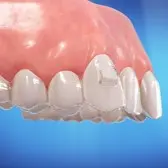
Some patients also need small, tooth-coloured attachments bonded to particular teeth. These give the aligners a point to grip when applying the forces needed for certain movements. Their number and position depend on your treatment plan. Attachments on front teeth may be easier to see than those further back, and they remain attached when you remove the trays.
If appearance is a major concern, ask to see an example aligner and discuss where attachments might be required. You can also explain any upcoming events, public speaking or work commitments. This gives your provider a chance to discuss practical expectations before Invisalign treatment begins, without promising that every part of the appliance will be hidden.
Keeping the trays clean helps preserve their clear appearance. Coloured drinks can stain aligners, and hot drinks can affect their shape, so follow the instructions for removing and cleaning them. Plan social occasions around the prescribed wear routine. Repeatedly leaving the trays out for appearance alone can interfere with the consistency that treatment requires.
How does Invisalign work?
Invisalign treatment begins with a clinical assessment and a plan for the tooth movements needed. Records may include photographs, scans or impressions and X-rays where appropriate. These help your provider assess your teeth and bite, discuss your goals and decide whether clear aligners are an appropriate option.

A digital plan is used to prepare a sequence of custom aligners. Each tray is slightly different, allowing movement to occur in planned stages. A computer preview can help explain the proposed changes, but teeth do not always respond exactly as predicted. The plan still needs professional supervision and may need adjustment as treatment progresses.
Your provider checks the initial fit and explains how to insert, remove and care for the trays. Aligners are typically worn for 20 to 22 hours a day, including while you sleep. Some plans also use attachments to help achieve particular movements. Your provider will give you individual wear instructions and tell you when to change to the next aligner.
Review appointments allow the fit and progress of your Invisalign treatment to be checked. If some movements need further adjustment, additional aligners may be recommended after a new scan or impression. Ask how you should contact the practice between reviews if a tray is lost, damaged or no longer fits as expected. Once active movement is complete, a retainer plan helps maintain the new tooth positions.
How long does Invisalign take?
The length of Invisalign treatment depends on the movements needed and how your teeth respond. Orthodontics Australia describes a typical clear-aligner treatment period of around 12 to 18 months, while smaller corrections may take less time. More involved plans can take longer. This is general guidance; your own estimate should follow a clinical assessment.
Ask whether the quoted timeframe covers only the first series of aligners or also allows for further adjustment. Some patients need additional trays, often called refinement aligners, to improve movements that have not finished as expected. Their number and the extra time required vary between patients, so the first tray count does not always tell you the final completion date.
Consistent wear is an important part of keeping Invisalign treatment on track. Follow your prescribed schedule and attend the recommended reviews. Avoid changing trays early simply to meet a deadline. If you have an upcoming wedding, trip or other event, discuss it before starting so your expectations and the proposed timing can be considered together.
Retainer wear continues after the active straightening stage.
Do I need teeth removed?
Not everyone needs teeth removed before Invisalign treatment. The decision depends on your available space, tooth positions, bite and the result that can be achieved safely. Choosing a particular aligner brand does not automatically remove the need for extractions, and an individual assessment is necessary before a recommendation can be made.
In some cases, significant crowding or protruding teeth means space needs to be created to align the remaining teeth and improve the bite. Removing a tooth can form part of that plan. In other cases, an appropriate result may be possible without an extraction. The position of the teeth within the supporting bone and the health of the gums need to be considered.
If an extraction is recommended, ask which tooth is involved, why the space is needed and how it will be managed during Invisalign treatment. Discuss the expected differences between the available options, including their limitations, risks and likely effects on your smile and bite. A digital preview can support that conversation, but it does not replace the clinical assessment.
If you would like another opinion before deciding, you can seek an assessment from a specialist orthodontist.
Is Invisalign comfortable?
Invisalign treatment uses custom-made plastic aligners that fit over your teeth. There are no metal brackets or wires, but moving teeth can still cause discomfort. You may notice pressure or tenderness when you first start wearing aligners or change to the next set. The sensation often settles as your mouth adjusts, although each person’s experience is different.
Comfort depends on more than the material. Existing tooth sensitivity, gum health and how the aligners fit can all affect how they feel. Tell your dentist about sensitive teeth or previous difficulties with dental appliances before starting. Ask the team to demonstrate insertion and removal so you feel confident handling the aligners without unnecessary pulling or bending.
Follow the prescribed change schedule throughout Invisalign treatment. If a tray feels unusually tight, does not seat properly or has a rough edge, contact the practice for advice before changing the plan yourself. Severe or persistent pain, swelling, or an aligner that repeatedly injures your mouth needs a dental review.
Keeping a brief note of when discomfort started, which tray you are wearing and where it hurts can help your dentist assess the problem. Bring the aligner to your appointment so its fit and condition can be checked.
Will Invisalign affect my speech?
Some people notice a slight lisp or a change in the way certain sounds come out when they first wear clear aligners. The extra surface over your teeth changes the space your tongue is used to. This is usually temporary, and speech commonly becomes more natural as your mouth adapts. The adjustment varies between people, so there is no exact day when everyone will sound the same as before.
Give yourself opportunities to speak with the aligners in place. Reading a short passage aloud, practising words you find awkward and speaking a little more slowly can help you become familiar with the new feeling. A short recording can also help you hear which sounds need practice without repeatedly guessing how you sound to other people.
Keep to the wear schedule your dentist gives you during Invisalign treatment. If your job involves presentations, teaching, singing or frequent telephone calls, discuss those demands when planning your start date. This gives you a chance to prepare for an adjustment period.
If the change remains troublesome, or the aligner feels loose or does not fit properly, ask the team to check it. Describe the sounds or situations that are difficult so the advice can address your particular concern.
What foods can I eat?
Because the aligners are removable, you can generally continue eating your usual foods during Invisalign treatment. Take them out for meals and snacks, and for drinks other than plain water. Food restrictions associated with fixed brackets do not generally apply, although any separate advice about sensitive teeth, restorations or other dental conditions still matters.
Remove the aligners before coffee, tea, juice or soft drink. Drinking sugary or acidic liquids while wearing them can hold those liquids against your teeth. Choosing water between meals and limiting sugary drinks also helps protect your teeth beyond the straightening process.
Make cleaning part of your meal routine. Brush your teeth before putting the aligners back in and continue cleaning between your teeth each day. Clean the trays as directed, too: putting a clean aligner over unclean teeth does not replace normal oral hygiene. Keep a small dental kit with you when eating at work or away from home.
Use the protective case whenever the aligners are out. Planning meals and remembering to put them back in helps you meet your prescribed daily wear time. If frequent snacks, shift work or a medical dietary requirement makes the schedule difficult, discuss a practical routine with your dentist before changing how long you wear them.
Will my teeth move after Invisalign treatment is finished?
Teeth can move after Invisalign treatment, just as they can after braces. Finishing the active aligner sequence does not make the new positions permanent. Retainers help maintain the result while the supporting tissues adapt, and ongoing retention matters because teeth can continue changing position throughout life.
Your dentist will recommend the type of retainer and how often to wear it. Some people need removable retainers full-time initially before moving to night-time wear; others receive a different schedule. Follow your individual instructions and expect retention to be a long-term commitment. Do not reduce the hours simply because your teeth still look straight.
Removable retainers need regular cleaning and safe storage. A fixed retainer is a wire attached behind selected teeth, and it needs careful cleaning around it and checks to make sure it remains secure. Depending on your needs, a fixed retainer may be used alongside a removable one.
Enhance Dental’s current treatment information lists standard retainers and an optional Vivera retainer upgrade. Ask which retainers your quotation includes and whether an upgrade would suit your needs.
Contact the practice promptly if a retainer is lost, cracked, loose or no longer fits, or if you notice teeth shifting. Bring it to review appointments so the fit can be assessed. Before completing Invisalign treatment, ask for clear written instructions about wear, cleaning, review visits and replacement costs so you know how to care for the result.
I’ve had braces, my teeth moved. Is Invisalign an option?
Invisalign treatment may be an option if your teeth have shifted after earlier braces, but a new assessment is needed. Relapse can range from slight crowding of the front teeth to changes that also affect the bite. Previous orthodontic treatment does not automatically make you suitable or unsuitable for clear aligners.
At your consultation, explain when you had braces, what changes you have noticed and whether you still have a retainer. Bring the retainer and any previous treatment information you can obtain. Your dentist will consider your current tooth positions, bite and oral health rather than relying only on how your teeth looked when the braces came off.
A limited course of aligners can sometimes address a small amount of movement. Other cases need a more extensive plan or a different orthodontic approach. The amount of visible crowding alone does not establish the treatment time, fee or best appliance. Discuss which changes matter to you and ask what the proposed plan can realistically achieve.
It is also worth reviewing why the teeth moved. Retainer wear, changes over time and oral health can all be relevant. If you proceed with Invisalign treatment, agree on a retention plan afterwards so you understand the ongoing care needed to maintain the new positions.
What is the cost of Invisalign?
The cost of Invisalign treatment depends on the complexity of the tooth movements and the plan recommended after assessment. Enhance Dental’s current consultation and treatment information includes:
- A no-obligation free Invisalign consultation and information pack.
- An individual quotation after your consultation and treatment assessment.
- Records including intra-oral digital scans and photographs.
- Orthodontic X-ray referrals for OPG and lateral cephalometric images, with no-charge imaging for eligible Medicare card holders at selected radiology centres.
- Invisalign aligners and the appointments included in your agreed plan.
- Take-home teeth whitening after Invisalign treatment, subject to suitability, full payment and the practice’s published terms.
- See the current Invisalign costs, inclusions and terms for the available options.
Ask for a written quotation that identifies what is included, any deposit, the payment schedule and costs that sit outside the orthodontic plan. A general dental check-up, clean and other dental work needed beforehand are separate from the advertised Invisalign treatment fee.
Before deciding, clarify retainer arrangements, the policy for replacement aligners and any limits on additional aligners. Comparing the full plan helps you understand the likely overall cost, rather than looking only at a weekly payment figure.
Will dental insurance cover any of the Invisalign fees?
Your private health insurer may contribute towards Invisalign treatment if your policy includes the relevant orthodontic benefits. The amount depends on your cover, remaining limits and the fund’s rules. Having general dental or major dental cover does not by itself confirm that the proposed orthodontic treatment is covered.
Before committing, ask your insurer about waiting periods, annual limits, lifetime orthodontic limits and any benefits already claimed for earlier treatment. A lifetime limit can affect what remains available even if you had braces many years ago. Check the details for the person receiving treatment, particularly if several family members share a policy.
Request a written treatment plan showing the proposed dental item numbers, provider details, total fee, expected duration and payment schedule. Give this to your fund and ask for a benefit estimate for your particular Invisalign treatment. Funds can have different rules for payments made upfront or in instalments, so clarify when claims can be submitted and what documents are required.
If you are considering joining a fund or upgrading cover, check the waiting period before assuming it will help with treatment already planned. Keep the fund’s written response with your quotation and ask the practice to explain any remaining out-of-pocket amount before you proceed.
The Commonwealth Ombudsman’s guide to orthodontic insurance explains how benefit quotes and limits work.
For more general information, visit the official Invisalign FAQ. For advice about your own teeth or a personalised quote, book an Invisalign consultation at Enhance Dental.
FOR OUR LOWEST INVISALIGN COST EVER AND THE BEST PRICES IN AUSTRALIA CLICK HERE